Lycium dasystemum
NameLycium dasystemum
Scientific NameLycium dasystemum
Common NamesXinjiang Wolfberry, Desert Wolfberry
Plant FamilySolanaceae
Natural HabitatNative to arid and semi-arid regions of Central Asia, particularly Xinjiang province in China, growing in deserts, steppes, and saline soils.
Parts Usedfruit,leaf
Medicinal Actionsantioxidant, adaptogen, anti-inflammatory, antimicrobial
Traditional UsesTraditionally used in Central Asian and Chinese medicine to support overall vitality, improve vision, strengthen the immune system, and as a general tonic. It is often consumed for its purported anti-aging and energy-boosting properties.
Active Constituentspolysaccharides, carotenoids, flavonoids, betaine
Preparation Methodsinfusion, powder, decoction
Contraindications & WarningsMay interact with anticoagulant medications (blood thinners) due to potential vitamin K content or other compounds. Individuals with diabetes should monitor blood sugar levels as it may affect glucose.
Cultivation NotesPrefers full sun and well-drained soil, tolerating a range of soil types including saline and alkaline conditions. It is drought-tolerant once established and can withstand cold temperatures.
Rarityuncommon
Description
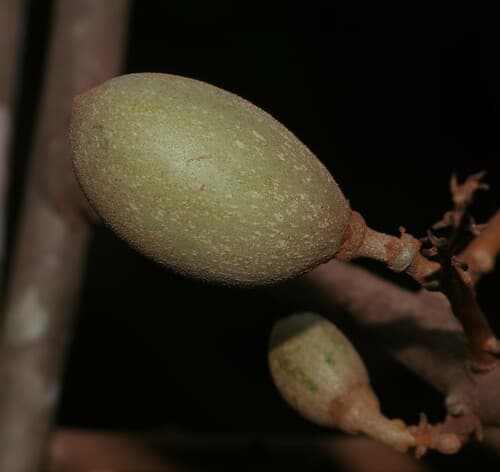
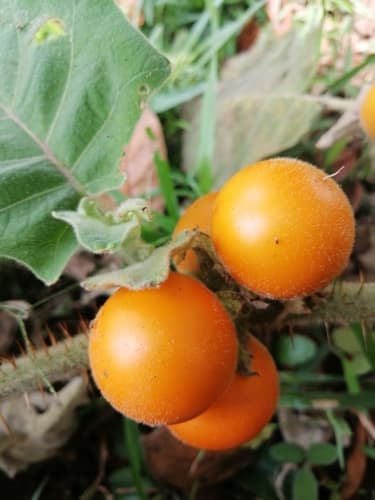
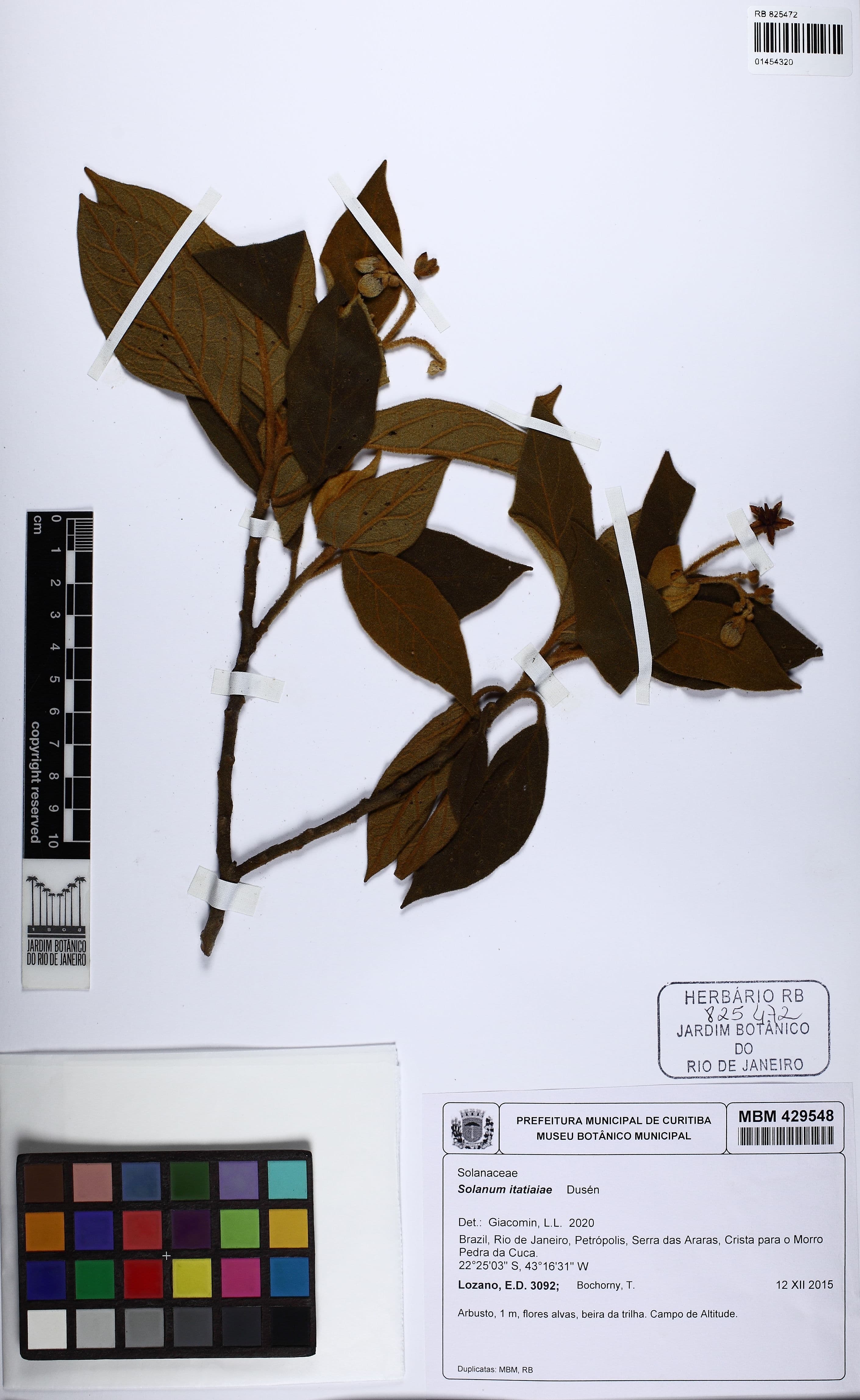
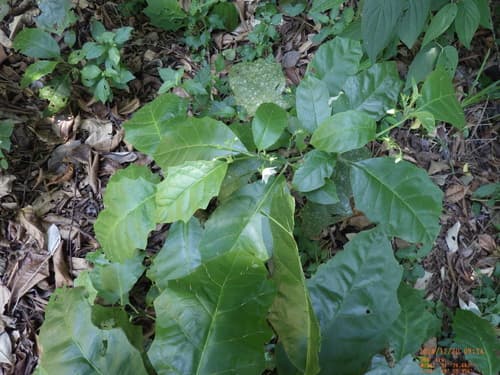
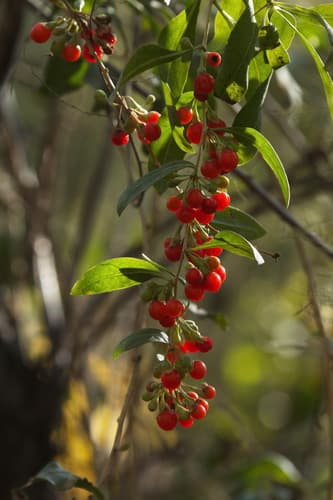
Lycium dasystemum is a deciduous shrub characterized by slender branches and small, elongated green leaves. It produces numerous bright red, ovoid berries that hang in clusters along the stems, as seen in the image.