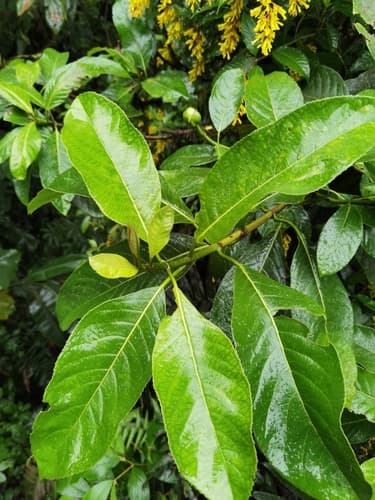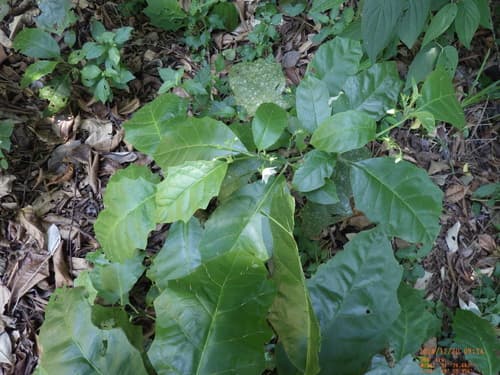
Solanum sessilantherum
NameSolanum sessilantherum
Scientific NameSolanum sessilantherum
Common NamesJurubeba-branca, Jurubeba-do-cerrado, Jurubeba-do-campo
Plant FamilySolanaceae
Natural HabitatNative to South America, particularly Brazil, where it thrives in diverse biomes such as the Cerrado, Atlantic Forest, and Amazon rainforest edges. It is commonly found in disturbed areas, forest clearings, and open woodlands.
Parts Usedleaf,root,fruit
Medicinal Actionsanti-inflammatory, antimicrobial, antioxidant, diuretic
Traditional UsesTraditionally, Solanum sessilantherum is used in Brazilian folk medicine to treat liver disorders, digestive problems, fevers, and malaria. It is also employed as a general tonic and for its hepatoprotective properties.
Active Constituentssteroidal glycoalkaloids, flavonoids, phenolic compounds, saponins
Preparation Methodsinfusion, decoction, powder
Contraindications & WarningsDue to the presence of steroidal glycoalkaloids, large doses or improper preparation can be toxic. It should be avoided by pregnant and breastfeeding women, and individuals with pre-existing liver conditions should use it with extreme caution and under professional guidance. May cause gastrointestinal upset.
Cultivation NotesThis plant prefers full sun to partial shade and well-drained, fertile soil. It can be propagated from seeds or cuttings and is relatively drought-tolerant once established.
Raritycommon
Description
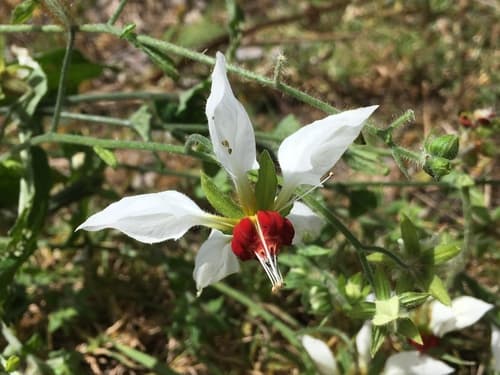
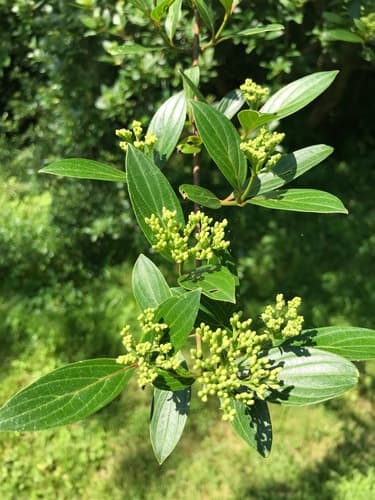
Solanum sessilantherum is a shrub or subshrub, typically growing up to 2 meters tall, characterized by large, ovate to elliptic, dark green leaves. It produces small, white, star-shaped flowers arranged in axillary or terminal cymes, which develop into globose berries.