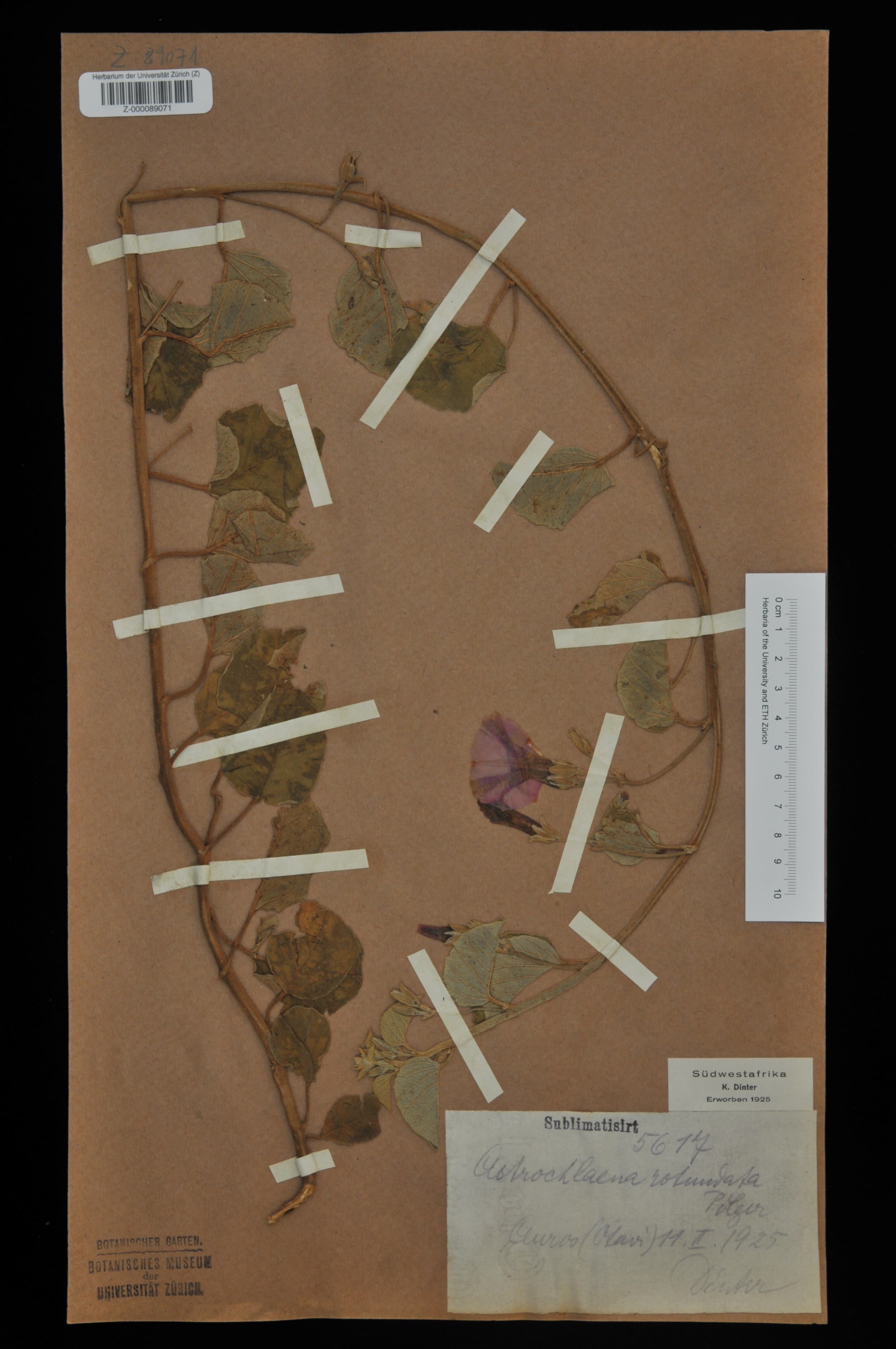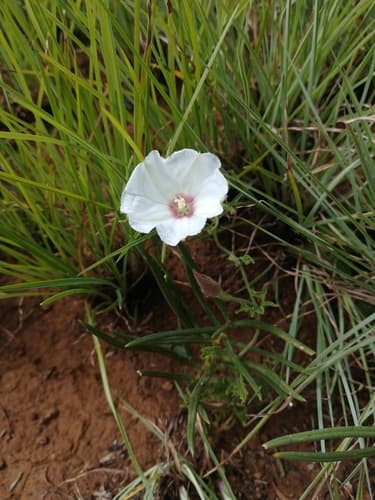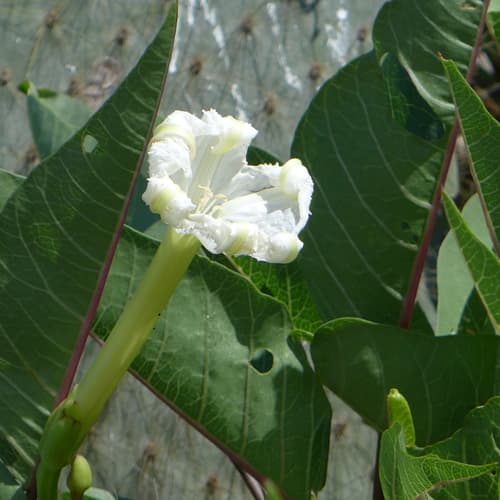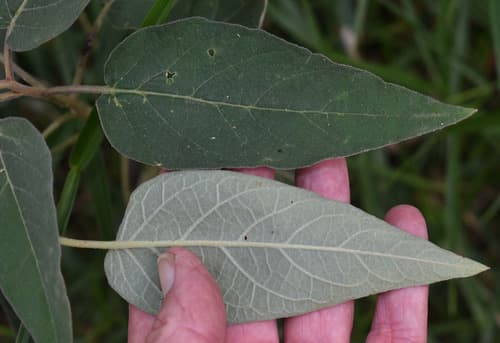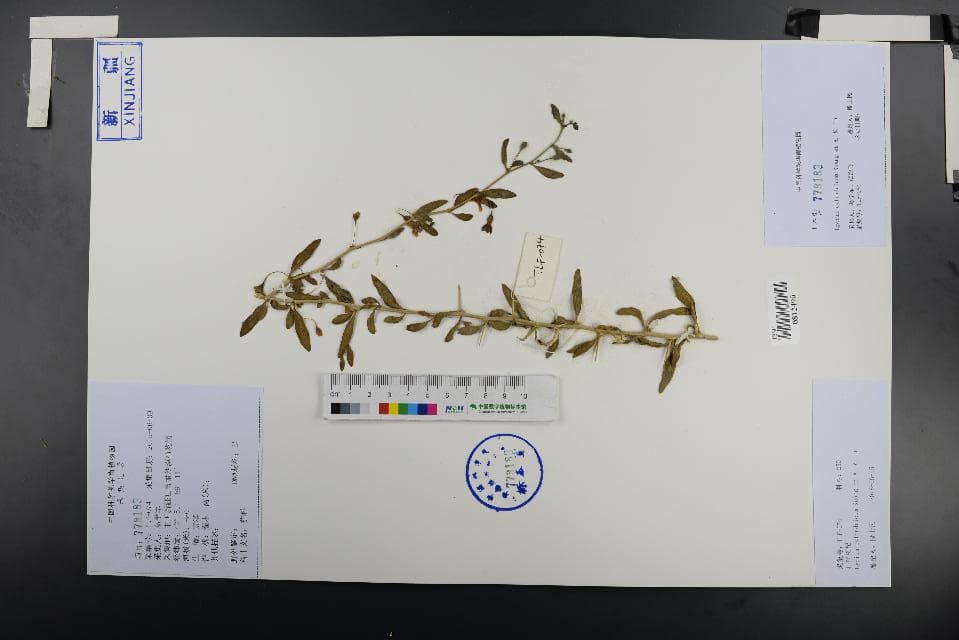
Lycium cylindricum
Image: Xuejun Ge, Haifei Yan (cc-by-nc)
NameLycium cylindricum
Scientific NameLycium cylindricum Kuang & A.M.Lu
Common NamesCylindrical Wolfberry, Cylindrical Lycium
Plant FamilySolanaceae
Natural HabitatThis species thrives in arid and semi-arid environments, commonly found on gravelly slopes, deserts, and saline-alkaline soils at elevations between 1000-1500 meters. Its native range includes Xinjiang, China, and various Central Asian countries.
Parts Usedfruit,leaf,root
Medicinal Actionsantioxidant, adaptogen, anti-inflammatory
Traditional UsesWhile specific traditional uses for Lycium cylindricum are not extensively documented, other Lycium species are widely used in traditional medicine as a general tonic, to support vision, enhance immune function, and nourish the liver and kidneys. It is likely that L. cylindricum shares similar properties and applications within its native range.
Active Constituentspolysaccharides, carotenoids, flavonoids, betaine
Preparation Methodsinfusion, decoction, powder
Contraindications & WarningsPotential interactions with anticoagulant medications (e.g., warfarin) due to possible blood-thinning effects. May also interact with medications for diabetes or high blood pressure, requiring caution and medical consultation.
Cultivation NotesLycium cylindricum is a hardy, drought-tolerant shrub that prefers full sun exposure and well-drained soil. It can tolerate a range of soil types, including poor and saline conditions, making it suitable for arid landscapes.
Rarityuncommon
Description
Lycium cylindricum is a spiny shrub typically growing 0.5-1.5 meters tall, characterized by slender branches and small, linear-spatulate to linear-oblanceolate leaves. It produces small, purple, funnelform flowers and ovoid to ellipsoid red berries.