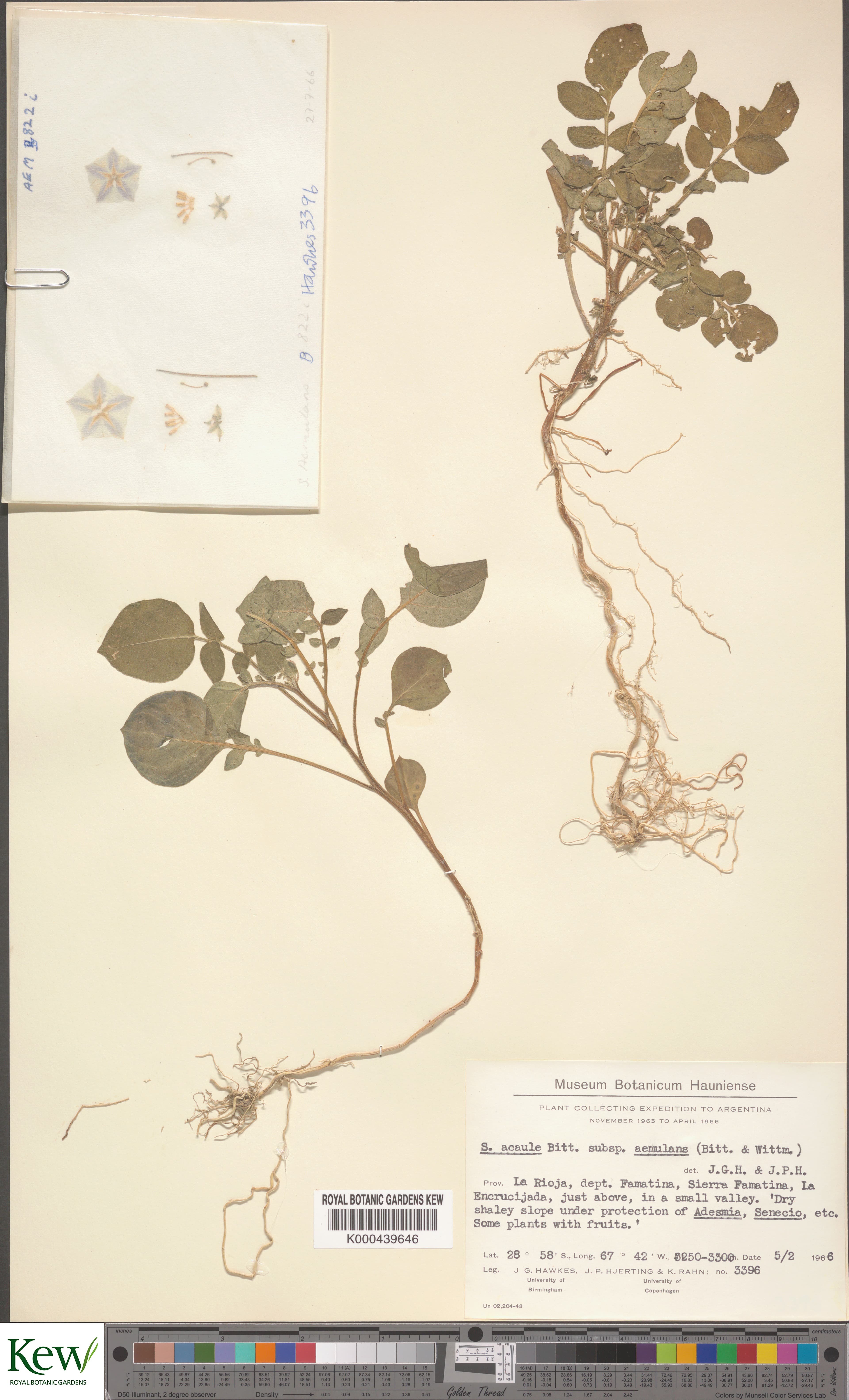
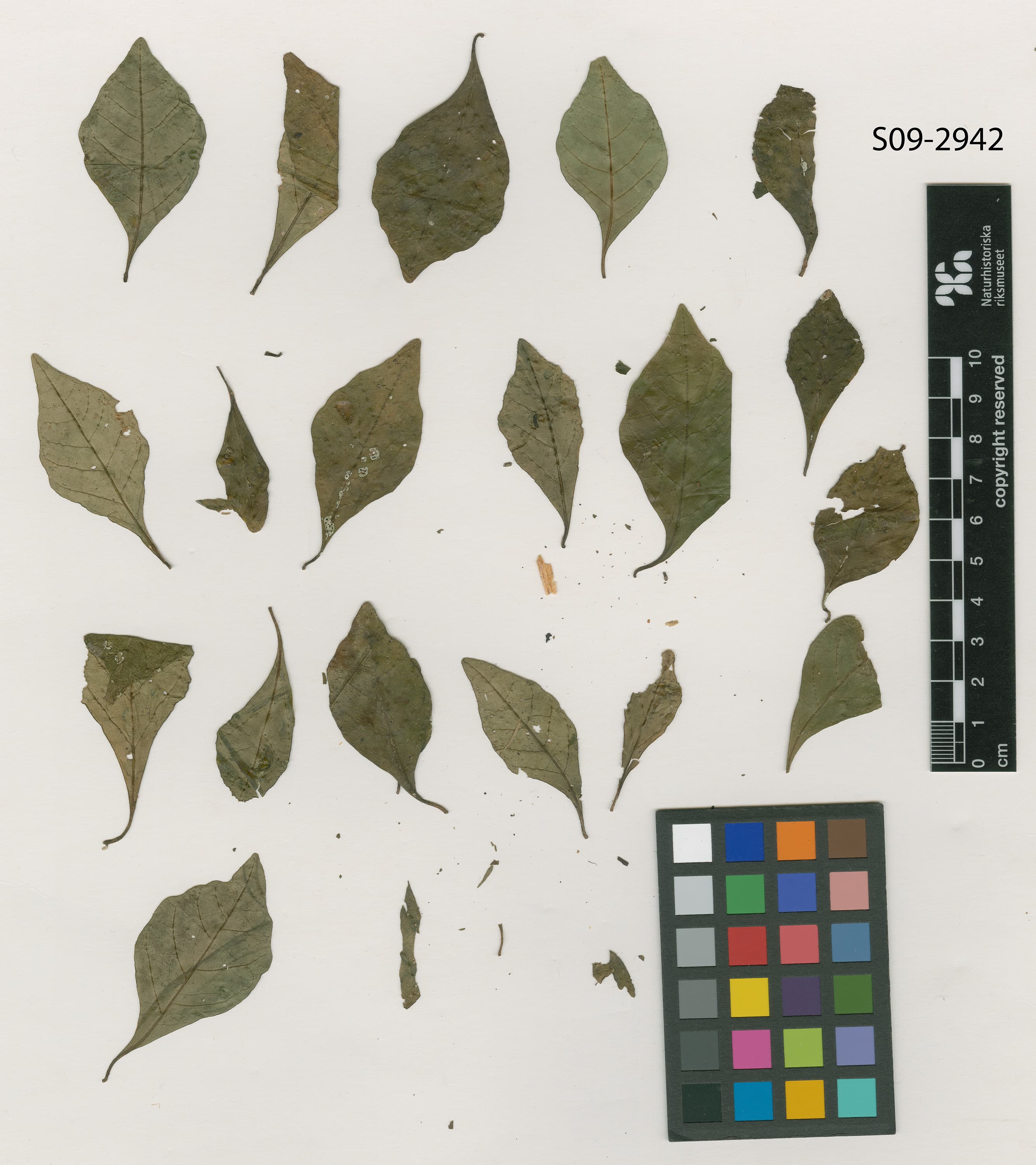
Solanum anceps
NameSolanum anceps
Scientific NameSolanum anceps
Plant FamilySolanaceae
Natural HabitatNative to the montane cloud forests and evergreen forests of the Andes in Ecuador and Peru, typically found at elevations between 1500 and 3000 meters.
Parts Used
Traditional UsesThere are no widely documented traditional medicinal uses for Solanum anceps. Like many species in the Solanum genus, it is likely to contain steroidal glycoalkaloids, which can be toxic, and therefore its use in traditional medicine is not well-established or recommended.
Active Constituentssteroidal glycoalkaloids
Contraindications & WarningsAll parts of Solanum anceps should be considered potentially toxic due to the likely presence of steroidal glycoalkaloids. Ingestion can cause gastrointestinal distress, neurological symptoms, and other adverse effects. Not recommended for internal use.
Cultivation NotesRequires a humid, subtropical to tropical montane climate with consistent moisture and partial shade. It is not commonly cultivated outside of specialized botanical collections.
Rarityuncommon
Description
Solanum anceps is a shrub or small tree characterized by its distinctive, often angled or winged green calyces that conspicuously enclose the developing fruit. It produces small, pale yellow to white flowers with prominent yellow anthers.