Solanum intonsum
NameSolanum intonsum
Scientific NameSolanum intonsum
Plant FamilySolanaceae
Natural HabitatNative to South America, particularly Brazil, where it can be found in disturbed areas, forest edges, and open woodlands in tropical and subtropical regions.
Parts Used
Traditional UsesThere is no widespread documentation of traditional medicinal uses for Solanum intonsum. Like many species within the Solanum genus, it is presumed to contain steroidal glycoalkaloids, which can be toxic upon ingestion. Therefore, caution is strongly advised, and it is not recommended for internal medicinal use.
Active ConstituentsSteroidal glycoalkaloids
Contraindications & WarningsIngestion is strongly contraindicated due to the likely presence of toxic steroidal glycoalkaloids, which can cause gastrointestinal upset, neurological symptoms, and other adverse effects. Avoid contact with broken skin and and keep away from children and pets.
Cultivation NotesThis plant prefers tropical to subtropical climates, thriving in well-drained soils and tolerating full sun to partial shade. It is generally considered a robust species in its native habitat.
Raritycommon
Description
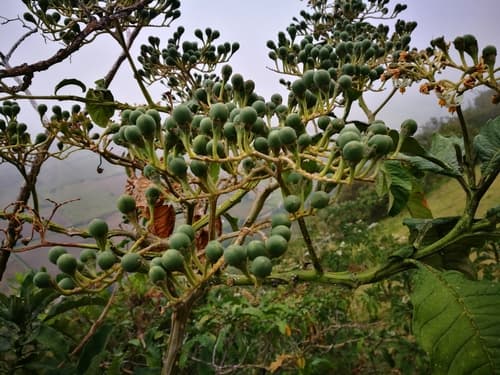
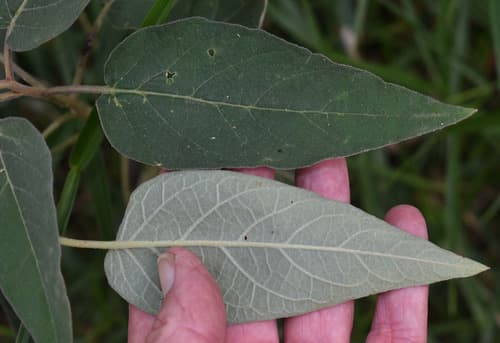
Solanum intonsum is a species of nightshade, typically growing as a shrub or small tree. Its leaves are simple, alternate, and ovate to lanceolate in shape, featuring a darker green, somewhat textured upper surface and a distinctly lighter, often pubescent (hairy) lower surface with prominent venation.