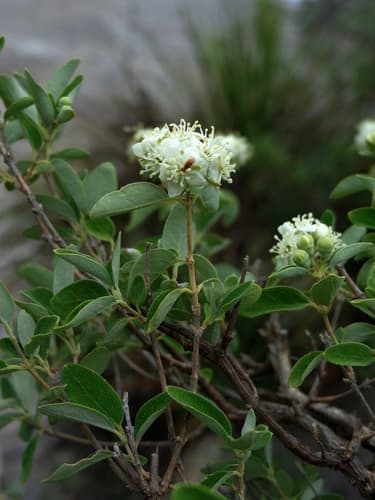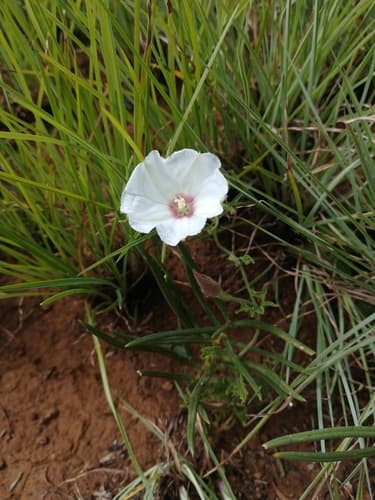
Baboon Bindweed
NameBaboon Bindweed
Scientific NameConvolvulus sagittatus
Common NamesBaboon Bindweed, Arrow-leaved Bindweed
Plant FamilyConvolvulaceae
Natural HabitatNative to Southern Africa, it thrives in grasslands, open woodlands, and disturbed areas, often found in sandy or loamy soils. It is quite adaptable and can be seen growing along roadsides and in cultivated fields.
Parts Usedroot,whole_plant
Medicinal Actionsanti-inflammatory, antimicrobial
Traditional UsesTraditionally, some species of bindweed (Convolvulus) have been used as strong purgatives to treat constipation and other digestive complaints. Specific documented traditional uses for Convolvulus sagittatus are less common in widely available literature, but generally, bindweeds have been employed in folk medicine for their cathartic properties and occasionally for external applications like wound care.
Active ConstituentsResin glycosides, Flavonoids, Tannins
Preparation Methodsdecoction, powder, poultice
Contraindications & WarningsPregnancy, breastfeeding, intestinal obstruction, inflammatory bowel diseases (e.g., Crohn's disease, ulcerative colitis), severe abdominal pain. Due to its strong purgative action and potential for toxicity, it should be used with extreme caution and under professional guidance.
Cultivation NotesThis hardy perennial prefers full sun to partial shade and well-drained soil. It can be propagated by seed or root division and is generally drought-tolerant once established. It can be vigorous and potentially invasive in suitable conditions.
Raritycommon
Description
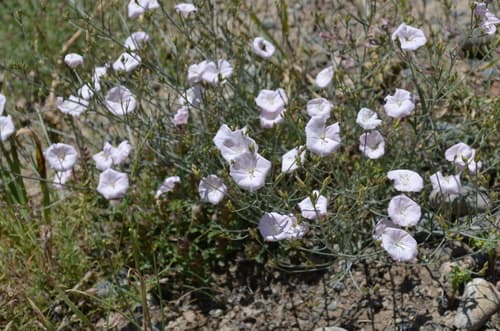
Baboon Bindweed is a perennial herbaceous plant, often trailing or climbing, characterized by its distinctive arrow-shaped (sagittate) leaves. It produces showy, funnel-shaped flowers, typically white with a prominent pink or purplish throat, blooming singly from the leaf axils.