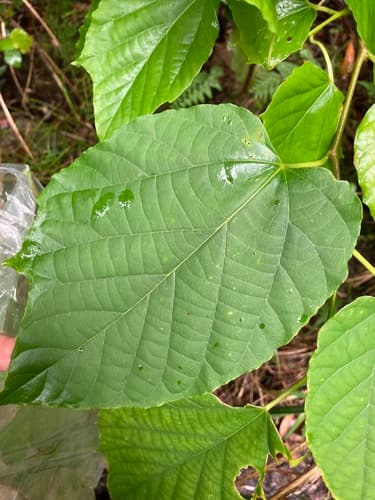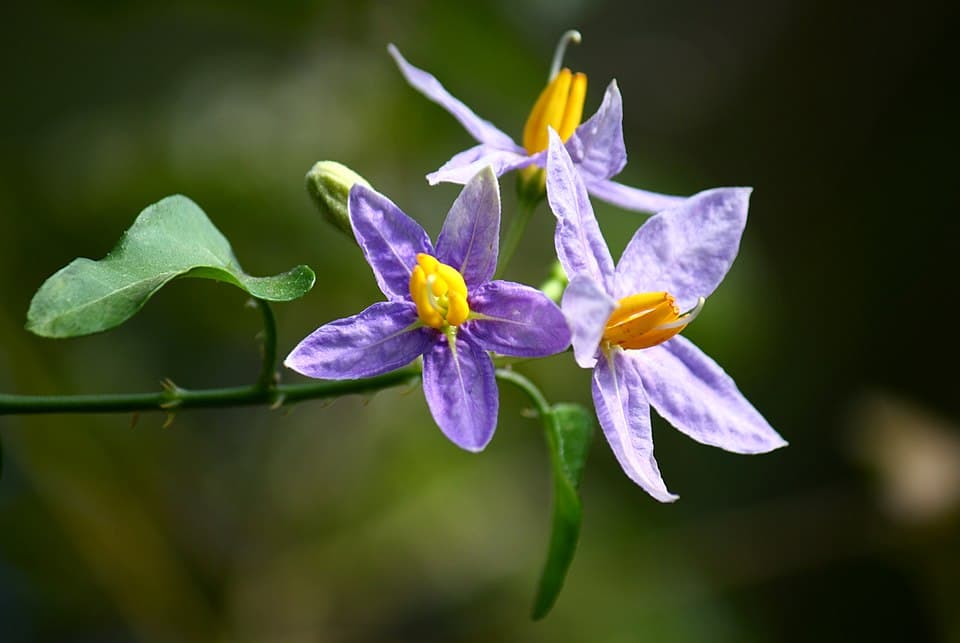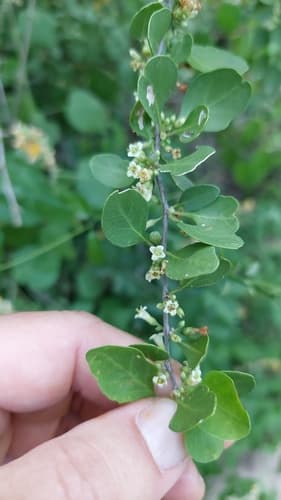
Lycium cuneatum
NameLycium cuneatum
Scientific NameLycium cuneatum
Common NamesDesert Wolfberry, Wedge-leaf Lycium
Plant FamilySolanaceae
Natural HabitatNative to arid and semi-arid regions of North America, particularly the southwestern United States and northern Mexico. It thrives in desert washes, rocky slopes, and disturbed areas, often tolerating saline soils.
Parts Usedfruit,leaf,root
Medicinal Actionsantioxidant, anti-inflammatory, adaptogen
Traditional UsesTraditionally, the fruits are consumed for general health, to improve vision, and as a tonic. Leaves and root bark have also been used in traditional medicine for various ailments, including fever and inflammation, similar to other wolfberry species.
Active ConstituentsPolysaccharides, Carotenoids, Flavonoids, Betaine
Preparation Methodsinfusion, decoction, powder
Contraindications & WarningsMay interact with anticoagulant medications (e.g., warfarin) due to potential blood-thinning effects. Caution advised for individuals with diabetes or those on blood pressure medication, as it may affect blood sugar and blood pressure levels.
Cultivation NotesThis hardy shrub prefers full sun and well-drained, often sandy or rocky soils. It is highly drought-tolerant once established and can withstand a range of temperatures, making it suitable for xeriscaping in arid climates.
Raritycommon
Description
Lycium cuneatum is a thorny shrub characterized by small, wedge-shaped to obovate green leaves. It produces tiny, pale white to lavender flowers that emerge singly or in small clusters from the leaf axils, followed by small red berries.