Rock Morning Glory
NameRock Morning Glory
Scientific NameIpomoea barbatisepala
Common NamesRock Morning Glory, Canyon Morning Glory
Plant FamilyConvolvulaceae
Natural HabitatThis species thrives in arid and semi-arid environments, commonly found in rocky soils, canyons, desert washes, and slopes across the southwestern United States and northern Mexico.
Parts Usedleaf,root
Medicinal Actionsanti-inflammatory, analgesic, antimicrobial
Traditional UsesTraditionally, various parts of the plant, particularly leaves and roots, have been used topically as poultices for skin irritations, minor wounds, and to alleviate localized pain and inflammation. Some related species have also been employed for their diuretic properties.
Active ConstituentsResin glycosides, Flavonoids, Phenolic compounds
Preparation Methodspoultice, infusion, decoction, tincture, powder
Contraindications & WarningsDue to the presence of resin glycosides, internal use may cause gastrointestinal upset or have strong purgative effects. Seeds of some Ipomoea species are known to be toxic or psychoactive; caution is advised. Not recommended for pregnant or breastfeeding women.
Cultivation NotesRock Morning Glory prefers full sun and well-drained, rocky or sandy soils. It is highly drought-tolerant once established and can be propagated from seeds, thriving in warm, dry climates.
Rarityuncommon
Description
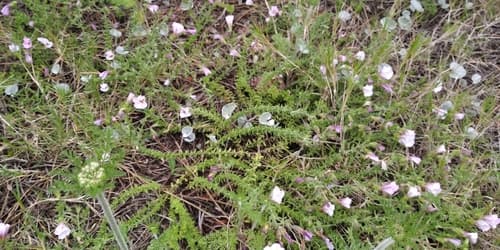
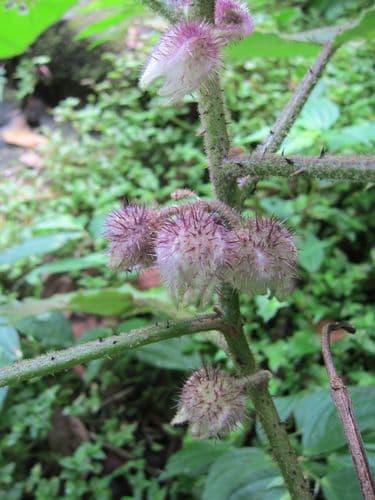
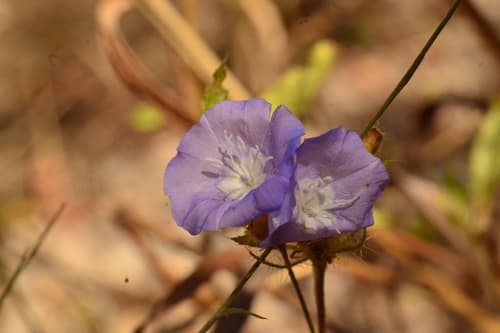
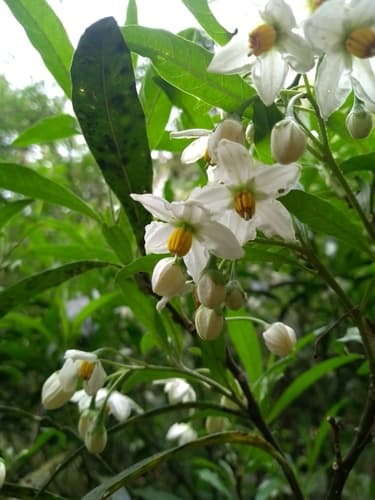
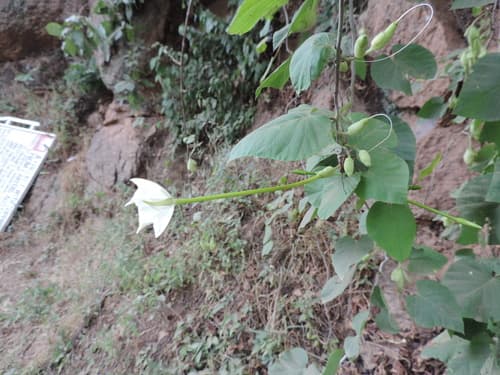
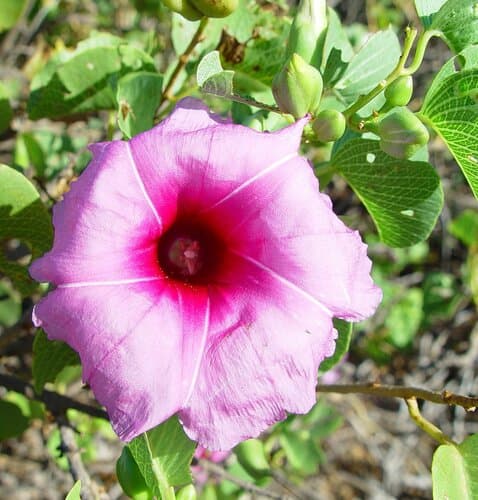
Ipomoea barbatisepala is a perennial vine or sprawling herb characterized by its large, showy, funnel-shaped flowers, typically pink to purple with a darker magenta throat. Its leaves are generally cordate to ovate and often hairy, growing alternately along the stems.