Lycium confertum
NameLycium confertum
Scientific NameLycium confertum
Common NamesDesert Thorn, Wolfberry
Plant FamilySolanaceae
Natural HabitatNative to arid and semi-arid regions of the southwestern United States (Arizona, New Mexico, Texas) and northern Mexico. It thrives in desert scrub, grasslands, rocky slopes, and washes, often in alkaline soils.
Parts Usedfruit,leaf,root
Medicinal Actionsantioxidant, anti-inflammatory, adaptogen
Traditional UsesTraditionally, the berries of Lycium confertum and related species have been consumed for general health, to support vision, boost immunity, and as a tonic. Indigenous groups in its native range may have used it for various ailments, including fever, pain, and digestive issues, similar to other desert thorns.
Active ConstituentsPolysaccharides, Carotenoids, Flavonoids, Betaine
Preparation Methodsinfusion, decoction, powder
Contraindications & WarningsAs with other Lycium species, potential interactions with anticoagulant medications (blood thinners) due to coumarin derivatives. May also interact with diabetes medications or blood pressure medications. Pregnant or breastfeeding women should consult a healthcare professional.
Cultivation NotesThis drought-tolerant shrub prefers full sun and well-drained, often alkaline, soils. It is hardy in USDA zones 7-10 and requires minimal water once established, making it suitable for xeriscaping in arid climates.
Raritycommon
Description
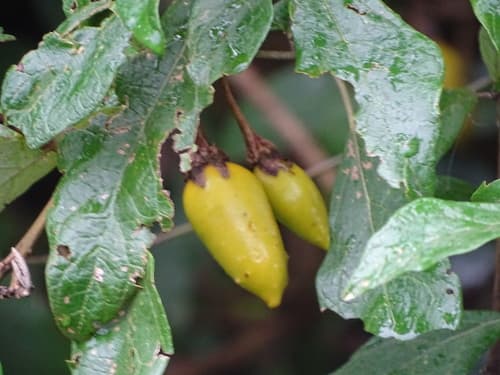
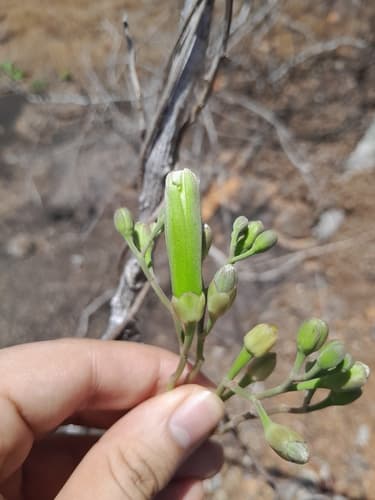
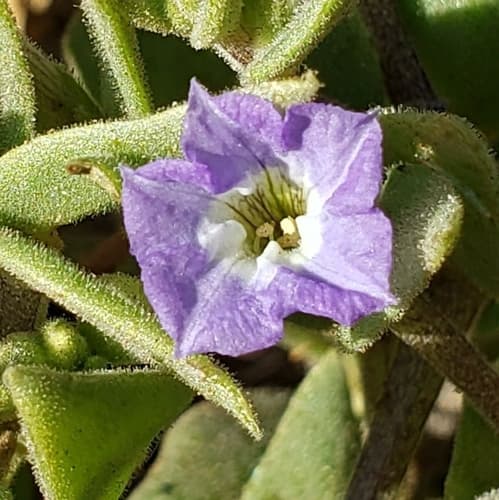
Lycium confertum is a thorny, deciduous shrub typically growing 1-3 meters tall. It features small, spatulate to oblanceolate leaves and produces small, solitary or clustered pale lavender to purple, star-shaped flowers. The plant later bears small, red or orange berries.