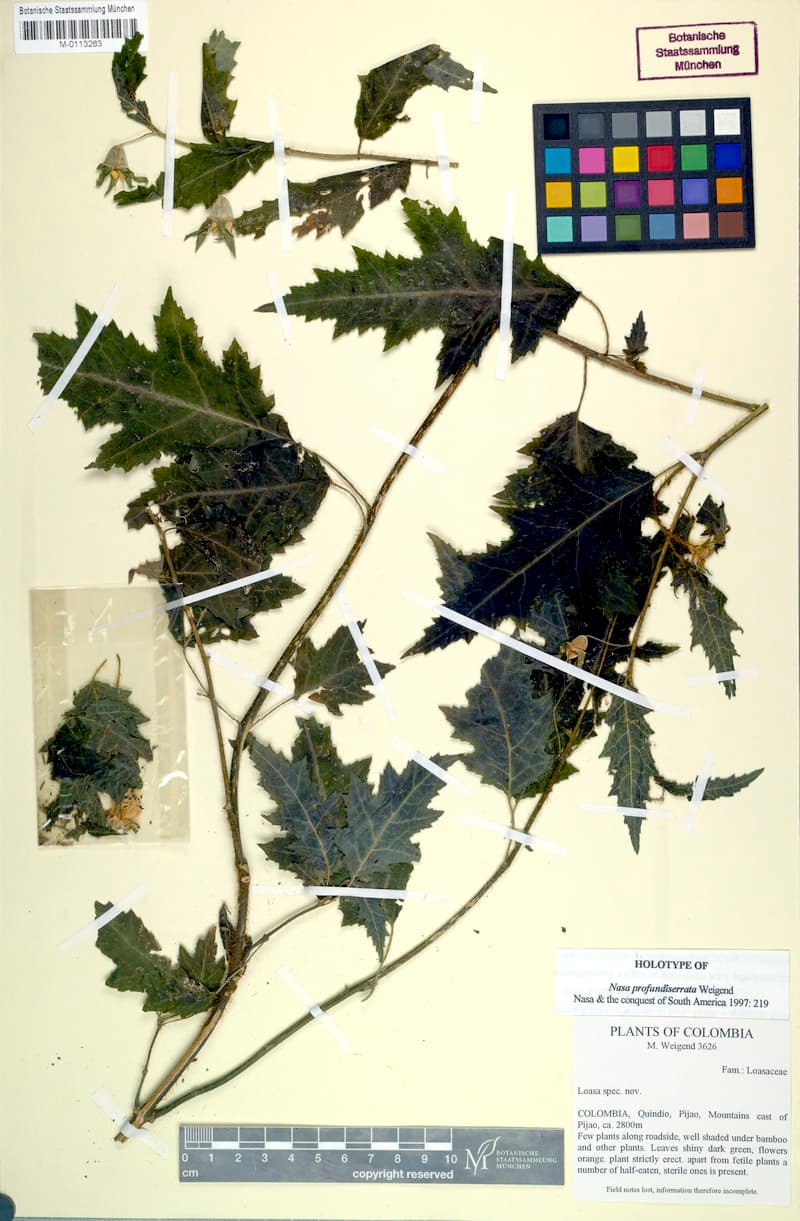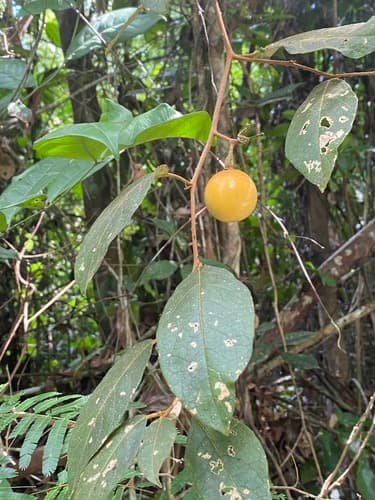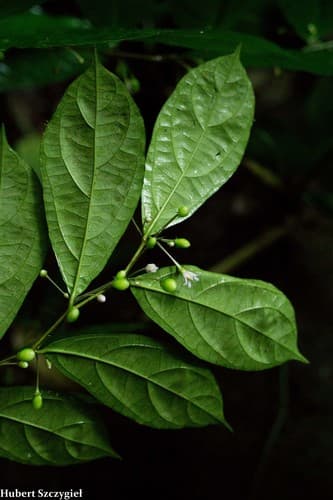
Lycianthes maxonii
NameLycianthes maxonii
Scientific NameLycianthes maxonii
Plant FamilySolanaceae
Natural HabitatNative to Central America, particularly Costa Rica and Panama, where it typically grows in the moist, shaded understories of tropical and subtropical forests at mid-elevations.
Parts Usedleaf,flower,fruit
Traditional UsesSpecific traditional medicinal uses for Lycianthes maxonii are not well-documented in readily available ethnobotanical literature. The genus Lycianthes, belonging to the Solanaceae family, is known to contain various secondary metabolites, including steroidal glycoalkaloids, some of which can have biological activity, but specific applications for this species are unknown.
Contraindications & WarningsDue to its membership in the Solanaceae family, which includes many toxic species containing potent alkaloids, Lycianthes maxonii should be treated with extreme caution. Specific toxicity data for this species is lacking, but ingestion of any part is not recommended without expert guidance.
Cultivation NotesPrefers warm, humid conditions with consistent moisture and partial to full shade, mimicking its natural tropical forest understory habitat. Requires well-draining, rich organic soil.
Rarityuncommon
Description
Lycianthes maxonii is a herbaceous plant or small shrub characterized by its alternate, simple, ovate to lanceolate leaves with prominent venation. It produces small, typically white or pale flowers, often solitary or in small clusters in the leaf axils, followed by small, spherical green fruits.