Tomatillo
NameTomatillo
Scientific NamePhysalis philadelphica
Common NamesTomatillo, Mexican Husk Tomato, Mexican Groundcherry
Plant FamilySolanaceae
Natural HabitatNative to Mexico and Central America, tomatillos thrive in warm climates and well-drained, fertile soil. They are often cultivated in gardens and can be found naturalized in disturbed areas.
Parts Usedfruit,leaf,root
Medicinal Actionsantioxidant, anti-inflammatory
Traditional UsesTraditionally, the fruit of the tomatillo is consumed for its nutritional value, being rich in vitamins and antioxidants. In some folk medicine practices, extracts from the plant, particularly the leaves or roots, have been used for their purported anti-inflammatory properties or applied topically for certain skin conditions, though these uses are less documented than its culinary role.
Active ConstituentsPhysalins, flavonoids, carotenoids, vitamin C
Preparation Methodsinfusion, decoction, powder
Contraindications & WarningsUnripe fruits, leaves, and stems of tomatillo contain solanine, a toxic alkaloid, and should not be consumed in large quantities. Generally considered safe as a food when ripe. Individuals with allergies to the Solanaceae family should exercise caution.
Cultivation NotesTomatillos are warm-season annuals requiring full sun and well-drained, fertile soil. They need consistent moisture and benefit from staking or caging. For successful fruit production, at least two plants are typically needed due to their self-incompatible nature.
Raritycommon
Description
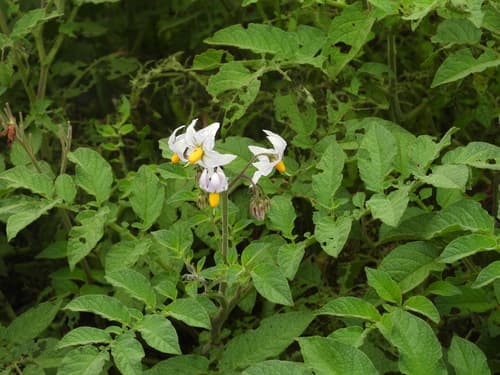
Tomatillo is an annual plant characterized by its yellow flowers with dark purple centers and ovate, slightly toothed leaves. It produces small, round fruits encased in a papery, lantern-like husk that splits open as the fruit matures.