Cuscuta globulosa
NameCuscuta globulosa
Scientific NameCuscuta globulosa
Common NamesDodder, Love Vine
Plant FamilyConvolvulaceae
Natural HabitatParasitic on various herbaceous and woody host plants, typically found in disturbed areas, fields, roadsides, and open woodlands where suitable hosts are present.
Parts Usedwhole_plant,seed
Medicinal Actionsadaptogen, anti-inflammatory, antioxidant, diuretic
Traditional UsesTraditionally, species of Cuscuta, including related ones like C. chinensis, are used in herbal medicine to tonify the kidney and liver, improve vision, strengthen bones, and address issues such as impotence, premature ejaculation, and frequent urination. It is also applied for general debility and to support reproductive health.
Active ConstituentsFlavonoids, Lignans, Polysaccharides, Saponins
Preparation Methodsinfusion, decoction, tincture, powder
Contraindications & WarningsGenerally contraindicated during pregnancy and lactation. Individuals with yin deficiency with heat signs should use with caution. May interact with certain medications due to its diuretic or potential hormonal effects.
Cultivation NotesAs a parasitic plant, Cuscuta globulosa requires a living host plant for survival and growth. It is not typically cultivated in a conventional sense but rather managed as a weed, as it can be detrimental to agricultural crops.
Raritycommon
Description
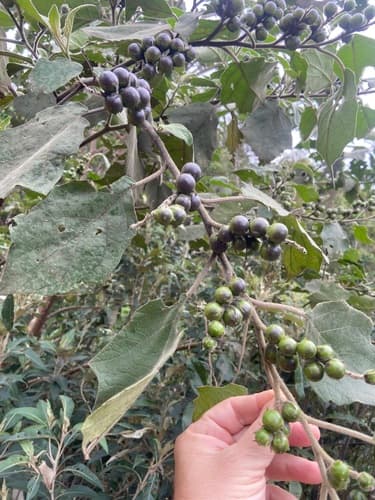
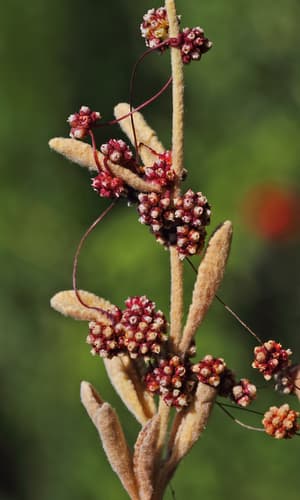
Cuscuta globulosa is a parasitic annual vine characterized by its slender, leafless, reddish-yellow stems that twine around host plants. It produces dense, globular clusters of small, reddish-brown flowers along its thread-like stems, as seen in the image.