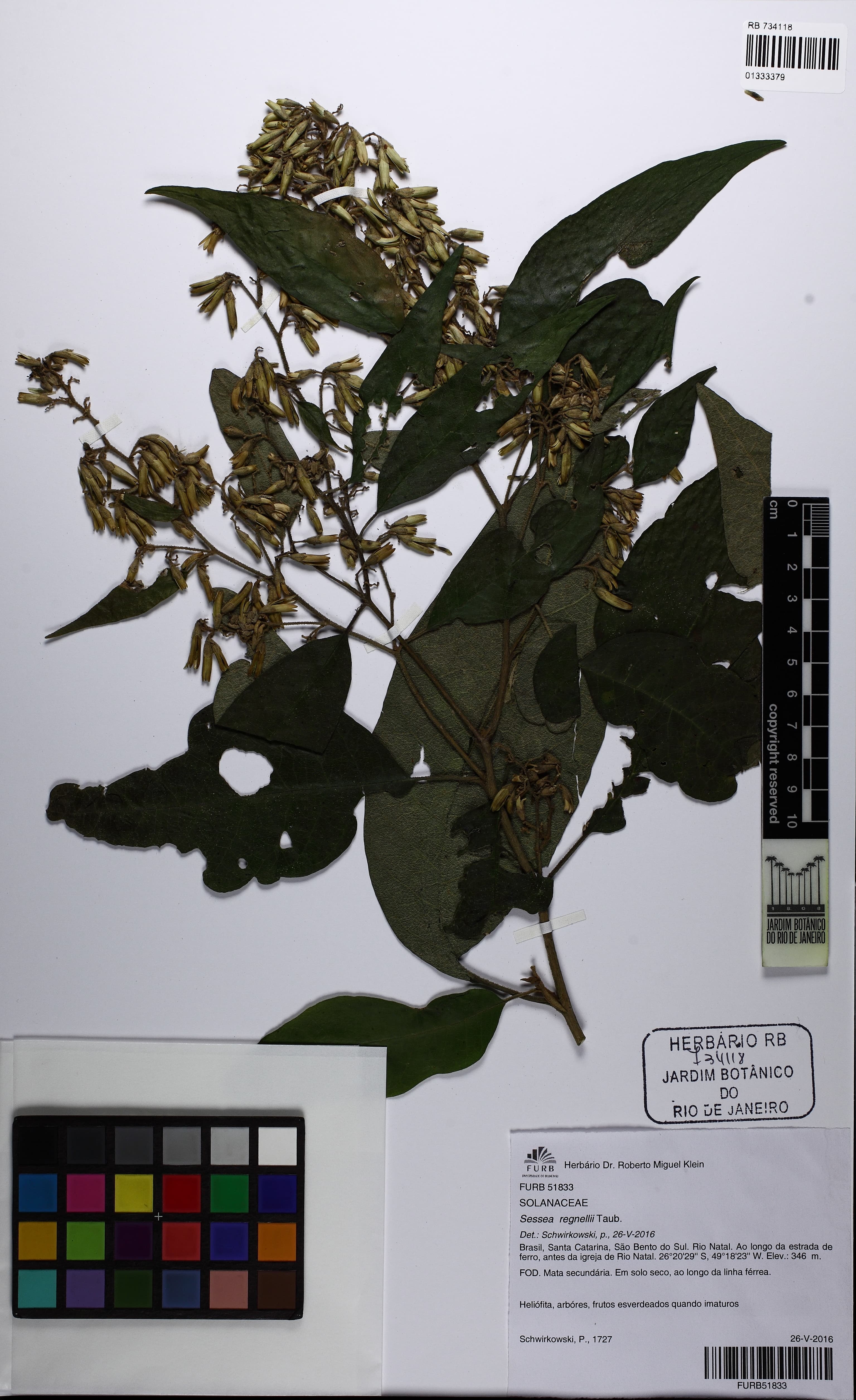
long-leaved groundcherry
Namelong-leaved groundcherry
Scientific NamePhysalis longifolia
Common NamesLong-leaved Groundcherry, Wild Tomatillo, Prairie Groundcherry
Plant FamilySolanaceae
Natural HabitatNative to North America, it thrives in prairies, open woodlands, disturbed areas, fields, and roadsides. It prefers full sun and well-drained soils.
Parts Usedfruit
Medicinal Actionsantioxidant, anti-inflammatory
Traditional UsesTraditionally, the ripe fruits of *Physalis longifolia* and related species have been consumed for their nutritional value. Some indigenous groups used the plant for fevers, skin conditions, and as a diuretic. Unripe fruits and other plant parts are generally considered toxic.
Active ConstituentsPhysalins, flavonoids, carotenoids, vitamin C
Preparation Methodsinfusion, powder
Contraindications & WarningsUnripe fruits and other parts of the plant are toxic due to solanine-like alkaloids. Pregnant or breastfeeding women should avoid consumption. Individuals with allergies to the nightshade family should exercise caution.
Cultivation NotesEasily grown from seed in full sun and well-drained soil. It is drought-tolerant once established and can readily self-seed, potentially becoming weedy in some areas.
Raritycommon
Description
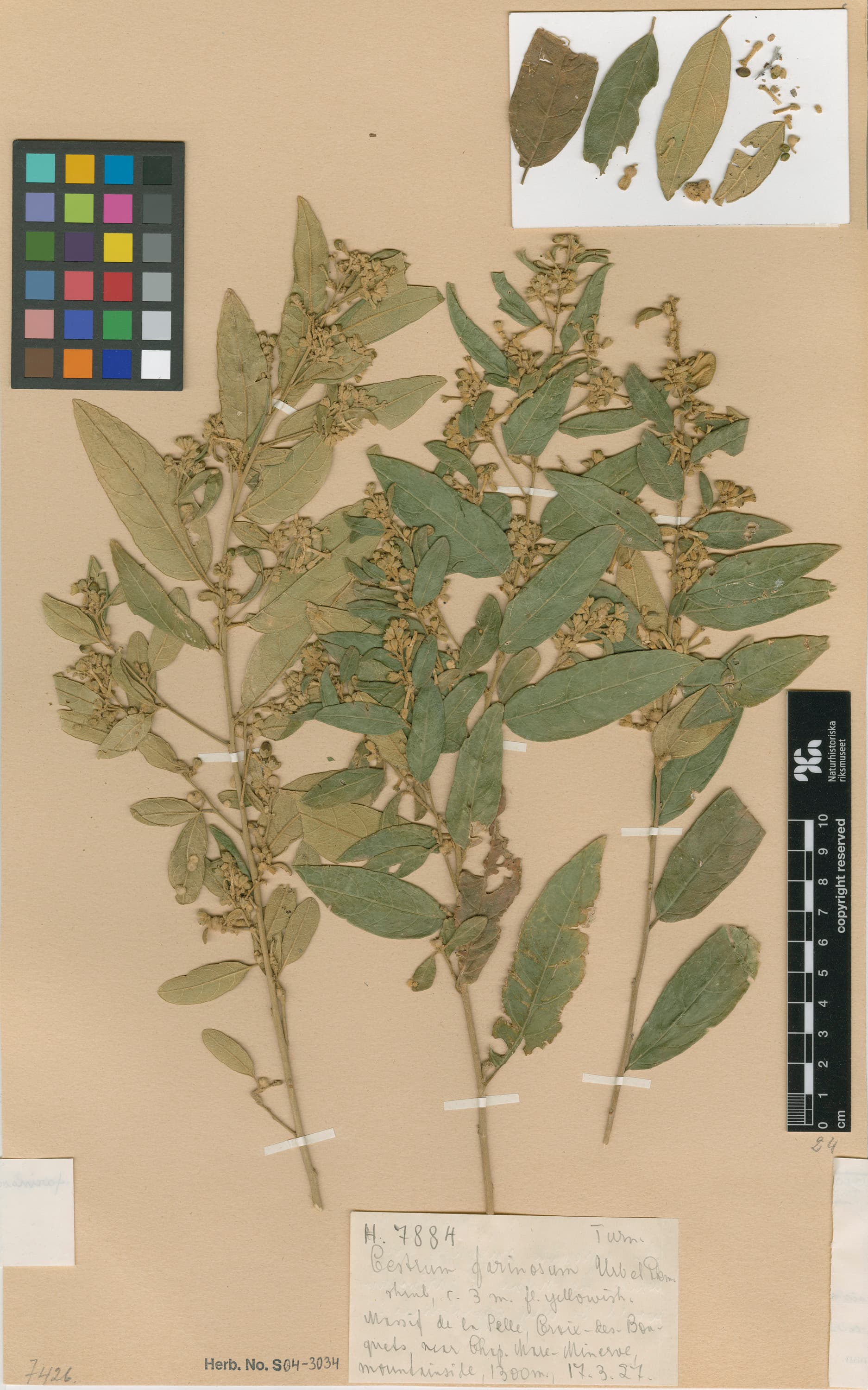
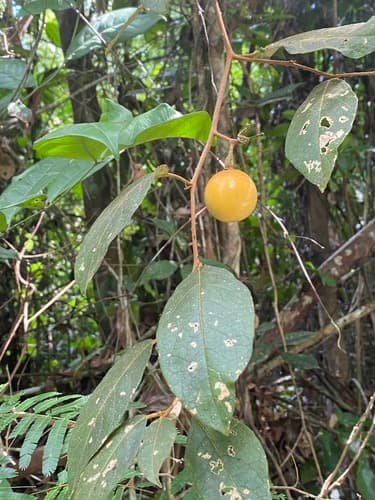
A perennial herbaceous plant characterized by its lance-shaped leaves and distinctive bell-shaped, yellow flowers with a dark brown or purple center. The fruit is a small berry enclosed within an inflated, papery calyx that resembles a lantern.