Lewis' mock orange
NameLewis' mock orange
Scientific NamePhiladelphus lewisii
Common NamesLewis' mock orange, Wild mock orange, Syringa
Plant FamilyHydrangeaceae
Natural HabitatNative to western North America, it thrives in a variety of habitats including moist to dry open woods, rocky slopes, canyons, and streambanks, often found at elevations from sea level to subalpine zones.
Parts Usedbark,leaf
Medicinal Actionsastringent
Traditional UsesHistorically, several Native American tribes, such as the Nez Perce and Kootenai, used the bark and leaves of Lewis' mock orange. It was primarily used externally for washing and bathing, and sometimes internally as a purgative or emetic. The strong, straight wood was also valued for making tools, arrows, and baskets.
Preparation Methodsinfusion, decoction
Contraindications & WarningsDue to its traditional use as an emetic and purgative, internal consumption should be avoided or approached with extreme caution. Safety and efficacy for internal medicinal use are not well-studied, and it is not generally recommended for internal use in modern herbalism.
Cultivation NotesThis hardy and adaptable shrub prefers full sun to partial shade and well-drained soil, tolerating a range of soil types. It is drought-tolerant once established and can be pruned after flowering to maintain shape and promote vigorous growth.
Raritycommon
Description
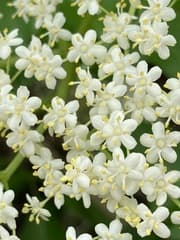
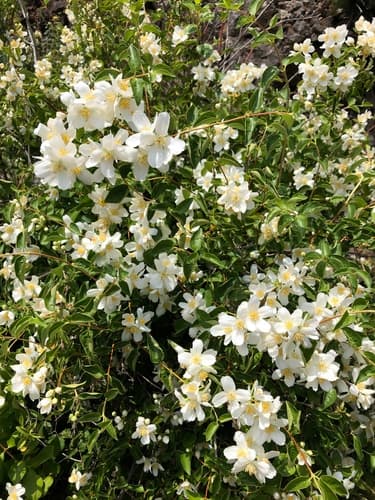
Lewis' mock orange is a deciduous shrub known for its abundant, fragrant white flowers that bloom in late spring to early summer. Each flower typically has four petals and prominent yellow stamens, growing in clusters along the branches. Its leaves are simple, opposite, and ovate to lance-shaped.