Elderflower / Elderberry
NameElderflower / Elderberry
Scientific NameSambucus nigra
Common NamesElder, Black Elder, European Elder, Common Elder
Plant FamilyAdoxaceae
Natural HabitatNative to Europe, North Africa, and parts of Asia, it thrives in woodlands, hedgerows, scrubland, riverbanks, and disturbed areas. It is often found growing wild along roadsides and in clearings.
Parts Usedflower,fruit
Medicinal Actionsanti-inflammatory, antimicrobial, antioxidant, diuretic, expectorant
Traditional UsesElderflower is traditionally used for treating colds, flu, hay fever, and sinusitis, acting as a diaphoretic to promote sweating and an expectorant for respiratory congestion. Elderberry fruit is widely used to boost the immune system, reduce the severity and duration of cold and flu symptoms, and for its potent antioxidant properties.
Active ConstituentsFlavonoids, Anthocyanins, Phenolic acids, Triterpenes, Vitamins (especially C)
Preparation Methodsinfusion, decoction, tincture, powder
Contraindications & WarningsRaw elderberries, leaves, stems, and unripe berries contain cyanogenic glycosides and should not be consumed, as they can cause nausea, vomiting, and diarrhea; berries must be cooked before consumption. May interact with immunosuppressant medications or diuretics. Pregnant or nursing individuals and young children should consult a healthcare professional before use.
Cultivation NotesElderberry is a robust and easy-to-grow plant, preferring full sun to partial shade and moist, well-drained soil, though it tolerates a wide range of soil types. It can be propagated from cuttings or seed and is fast-growing, benefiting from pruning to maintain shape and encourage fruit production.
Raritycommon
Description
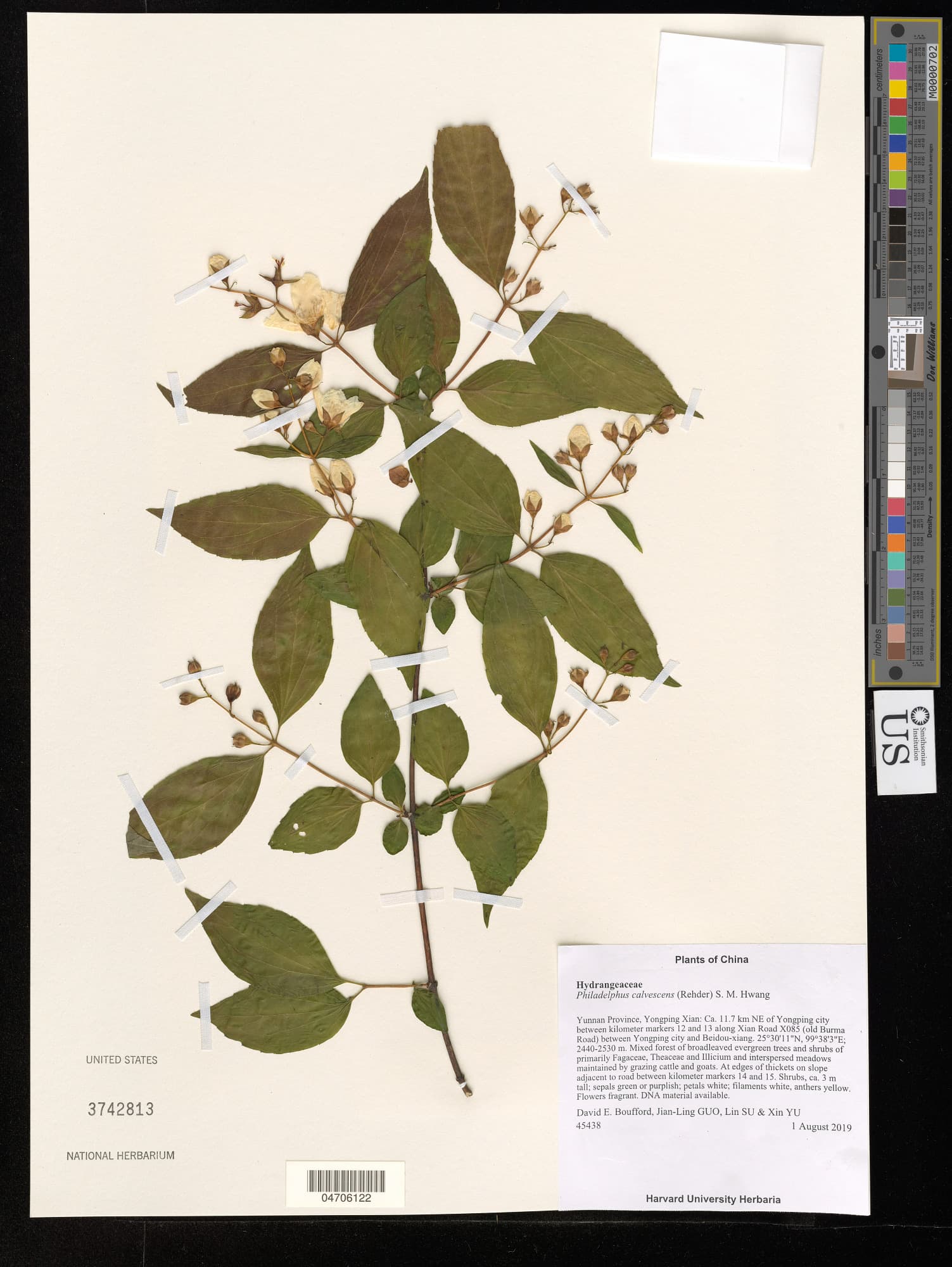
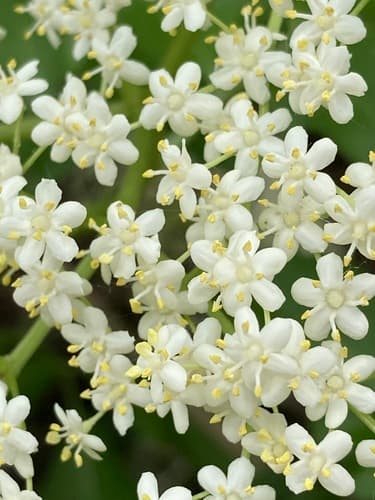
A deciduous shrub or small tree, European Black Elderberry is characterized by its creamy-white, fragrant flowers arranged in flat-topped clusters (cymes) during late spring to early summer. These flowers mature into small, dark purple-black berries in late summer and early autumn. The leaves are pinnately compound, and the bark is typically grayish-brown.