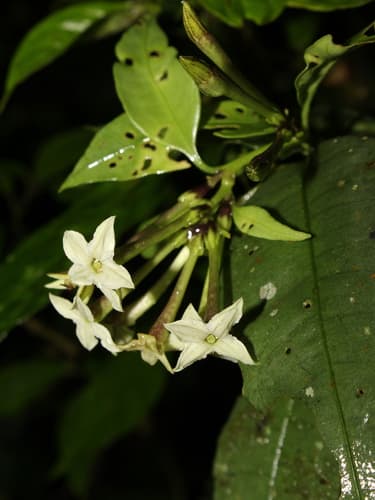
Lewis cestrum
NameLewis cestrum
Scientific NameCestrum lewisii
Common NamesLewis cestrum, Lewis's Cestrum
Plant FamilySolanaceae
Natural HabitatNative to tropical and subtropical regions of Central and South America, typically found in forest understories, clearings, and disturbed areas.
Parts Usedleaf,flower
Medicinal Actionsanalgesic, anti-inflammatory, antimicrobial, diuretic
Traditional UsesTraditionally, some *Cestrum* species, including potentially *Cestrum lewisii*, have been used in folk medicine for their purported analgesic, anti-inflammatory, and antimicrobial properties. Preparations from leaves or flowers might be applied externally for skin conditions or internally as a diuretic or febrifuge, though extreme caution is advised due to the presence of toxic compounds.
Active Constituentssteroidal saponins, alkaloids, flavonoids
Preparation Methodsinfusion, decoction, poultice, powder, salve
Contraindications & WarningsAll parts of *Cestrum* species are generally considered toxic due to the presence of steroidal saponins and alkaloids. Ingestion can cause gastrointestinal upset, neurological symptoms, and cardiac issues. Not recommended for internal use without expert medical supervision. Avoid use by pregnant or nursing women, children, and individuals with liver or kidney conditions.
Cultivation NotesPrefers full sun to partial shade and well-drained soil. Thrives in warm, humid tropical or subtropical climates. Can be propagated from seeds or stem cuttings. Often grown as an ornamental shrub.
Rarityuncommon
Description
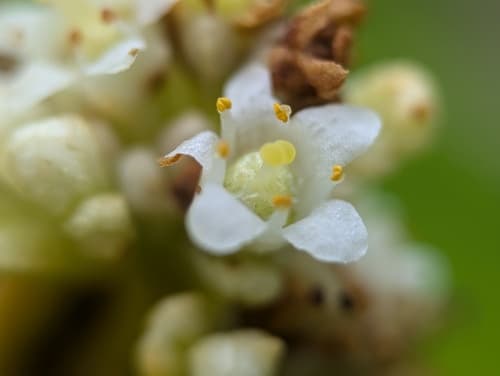
Cestrum lewisii is a shrub or small tree characterized by its clusters of tubular, white to cream-colored flowers with five pointed lobes. Its leaves are simple, alternate, and typically entire, often with a slightly leathery texture.