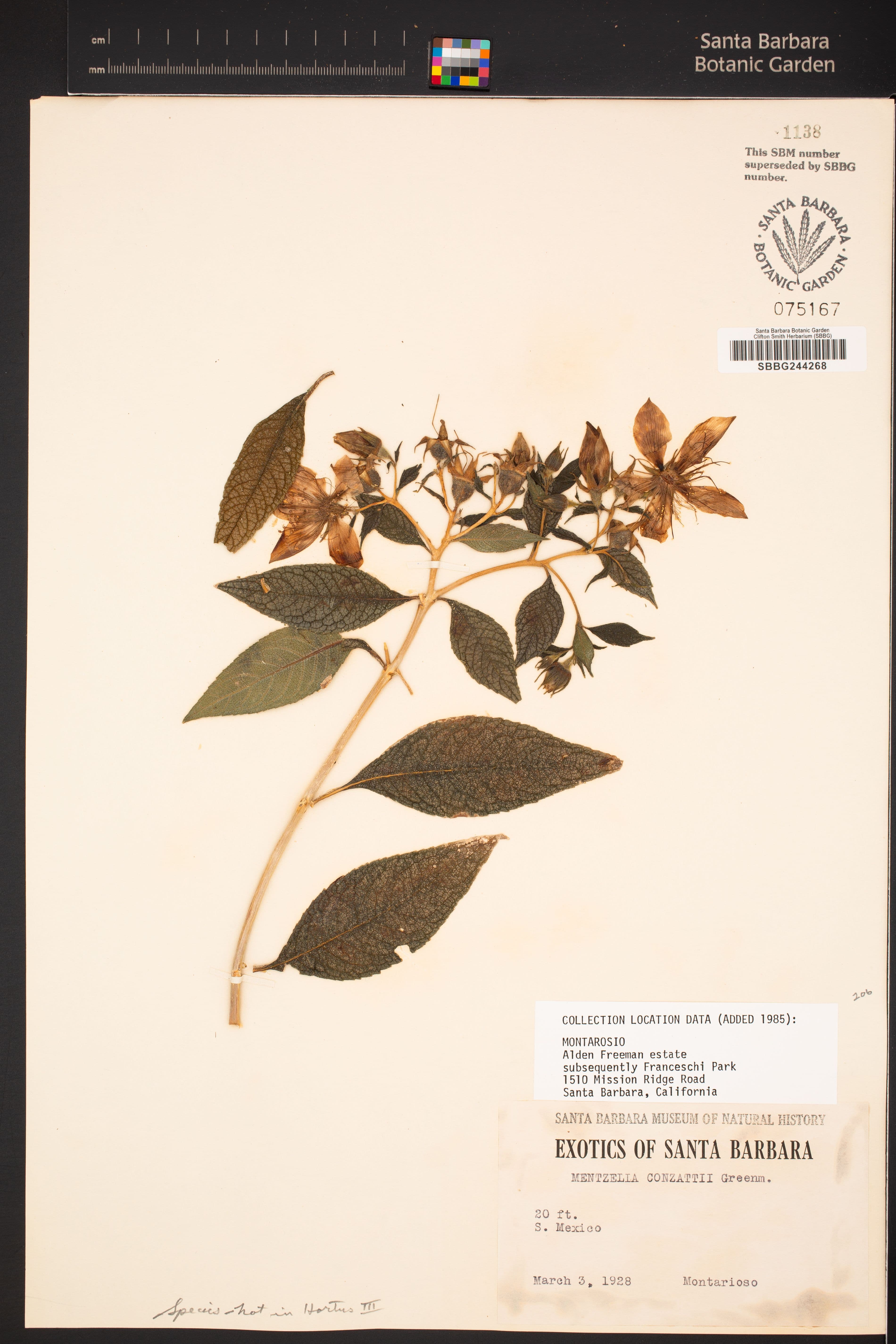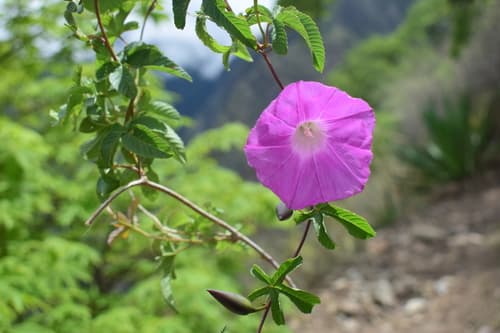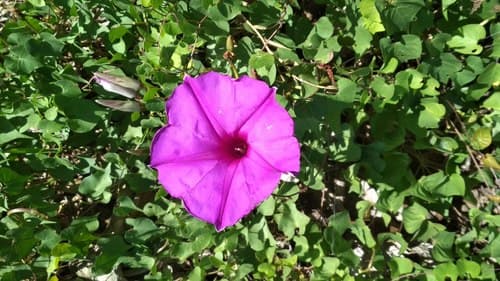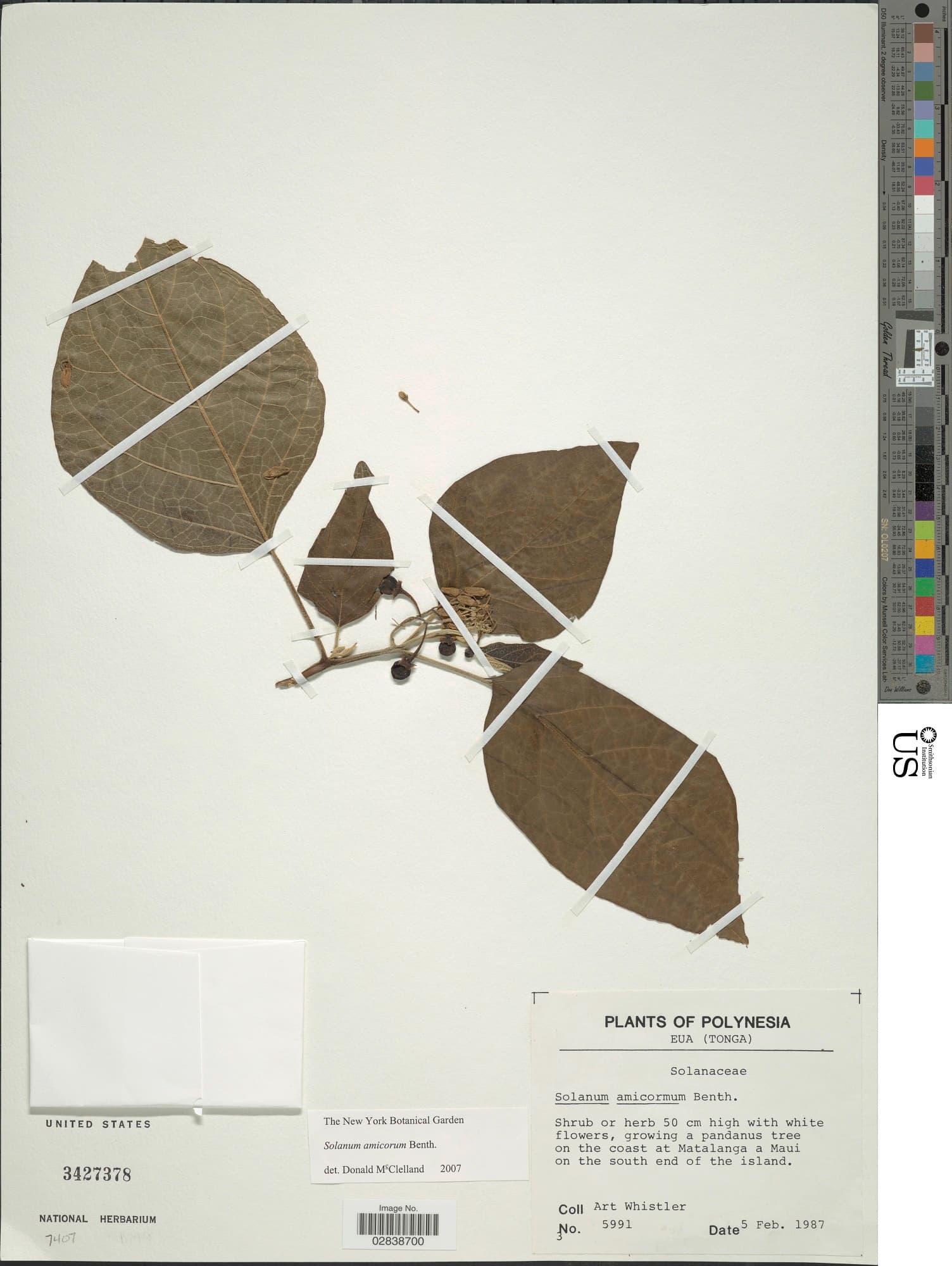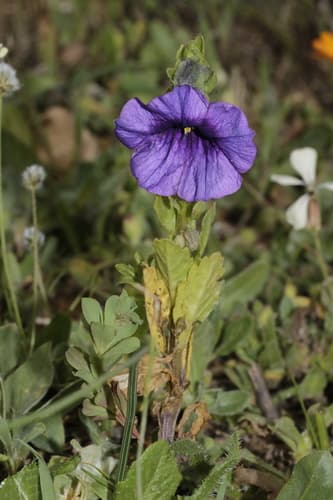
Solanum herculeum
NameSolanum herculeum
Scientific NameSolanum herculeum
Common NamesSticky Nightshade, Red Buffalo-bur, Litchi Tomato, Fire-and-ice plant
Plant FamilySolanaceae
Natural HabitatNative to South America, it has naturalized in many tropical and subtropical regions worldwide. It thrives in disturbed areas, roadsides, agricultural fields, and waste ground, often considered a weed.
Parts Usedleaf,root,fruit
Medicinal Actionsanti-inflammatory, antimicrobial, antioxidant, diuretic
Traditional UsesTraditionally, the leaves and roots have been used topically for skin conditions, wounds, and internally for fevers and as a diuretic. Ripe fruits are sometimes consumed, but other parts are considered toxic and should be handled with extreme caution.
Active ConstituentsSolasodine, Glycoalkaloids, Flavonoids, Phenolic compounds
Preparation Methodsinfusion, decoction, poultice
Contraindications & WarningsAll parts of the plant, especially unripe fruits, contain toxic glycoalkaloids and should be used with extreme caution. Not recommended for internal use without expert supervision due to potential toxicity. Avoid during pregnancy and breastfeeding. May interact with medications affecting the nervous system.
Cultivation NotesEasily grown from seed in full sun to partial shade and well-drained soil. It is a vigorous grower and can become weedy, tolerating a range of soil conditions.
Raritycommon
Description
Solanum herculeum (syn. Solanum sisymbriifolium) is an annual or short-lived perennial herb, typically growing up to 1 meter tall. It is characterized by its prickly stems and deeply lobed, spiny leaves, and produces white to pale purple, star-shaped flowers followed by small, round, red fruits encased in a spiny calyx.