Solanum acanthodapis
NameSolanum acanthodapis
Scientific NameSolanum acanthodapis
Plant FamilySolanaceae
Natural HabitatNative to Central and South America, it thrives in disturbed areas, secondary forests, forest edges, and roadsides, often found at various elevations.
Parts Usedwhole_plant
Traditional UsesThere is no widely documented traditional medicinal use for Solanum acanthodapis in mainstream ethnobotanical literature. Many species within the Solanum genus are considered toxic due to the presence of steroidal glycoalkaloids, and their use in traditional medicine is often highly localized, specific, and requires expert knowledge to avoid poisoning.
Active Constituentssteroidal glycoalkaloids, solanine, solamargine, solasonine
Contraindications & WarningsDue to the presence of potentially toxic steroidal glycoalkaloids, Solanum acanthodapis should be considered poisonous. Ingestion can cause severe gastrointestinal upset, neurological symptoms, and potentially be fatal. Avoid use by pregnant or nursing women, children, and individuals with liver or kidney conditions. All parts of the plant are likely toxic.
Cultivation NotesThis species prefers full sun to partial shade and well-drained soil. It can be propagated by seed and may become weedy or invasive in suitable climates due to its robust growth and ability to colonize disturbed areas.
Rarityuncommon
Description
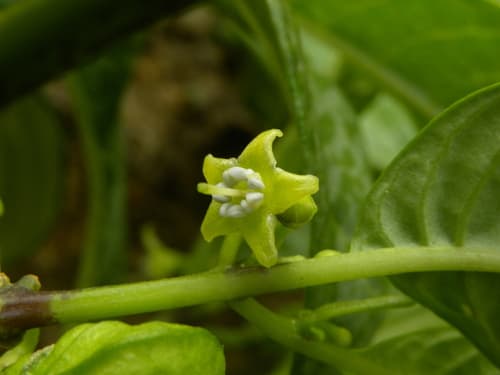
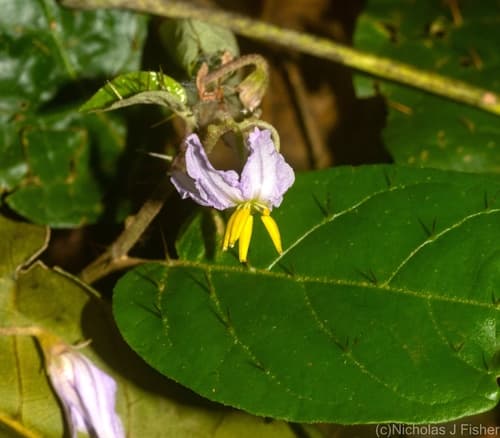
This thorny perennial shrub or herb features deeply lobed, spiny leaves and characteristic star-shaped flowers, typically light purple with prominent yellow anthers. Its stems and leaves are densely covered in sharp prickles, a defining characteristic.