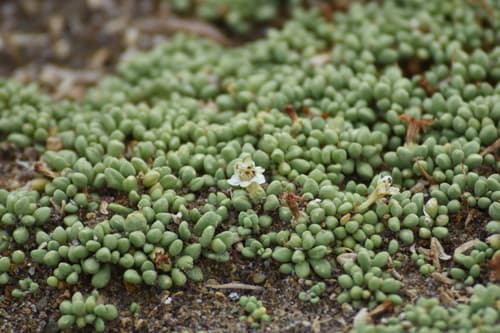
Capsicum parvifolium
NameCapsicum parvifolium
Scientific NameCapsicum parvifolium
Common NamesWild Chili, Small-leaved Chili
Plant FamilySolanaceae
Natural HabitatNative to tropical and subtropical regions of Central and South America, often found in disturbed areas, forest edges, and along roadsides. It thrives in warm, humid environments.
Parts Usedfruit,leaf
Medicinal Actionsanalgesic, anti-inflammatory, antimicrobial, antioxidant
Traditional UsesTraditionally, the fruits of Capsicum species, including wild varieties, have been used topically for pain relief (e.g., arthritis, muscle aches) and internally as a digestive aid or stimulant. Leaves may be used in some traditional remedies for their anti-inflammatory properties.
Active ConstituentsCapsaicinoids, Capsaicin, Dihydrocapsaicin, Flavonoids
Preparation Methodspowder, tincture, poultice, salve, infusion
Contraindications & WarningsCan cause skin and mucous membrane irritation; avoid contact with eyes. Internal use in large quantities may cause gastrointestinal upset. May interact with blood-thinning medications.
Cultivation NotesPrefers warm temperatures, full sun to partial shade, and well-drained, fertile soil. Requires consistent moisture but is susceptible to root rot in waterlogged conditions. Can be grown as an annual in temperate climates or perennial in tropical zones.
Rarityuncommon
Description
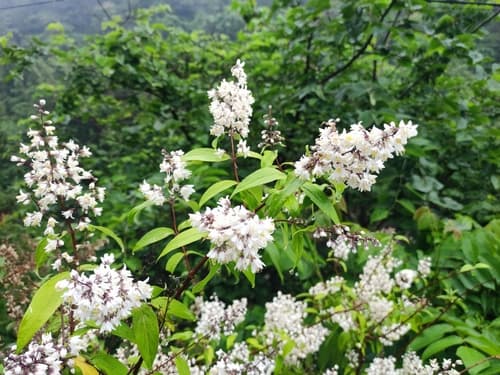
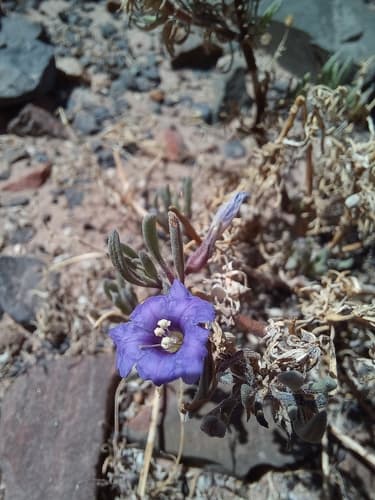
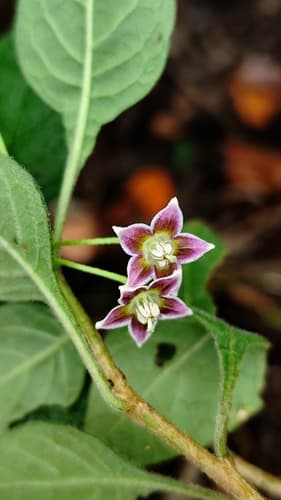
Capsicum parvifolium is a perennial shrub characterized by small, ovate to lanceolate green leaves and delicate, star-shaped flowers. The flowers typically have five petals, often white or pale purple with a darker purple or green throat, as seen in the image.