Jaltomata biflora
NameJaltomata biflora
Scientific NameJaltomata biflora (Ruiz & Pav.) Benitez
Common NamesJaltomata, Wild Groundcherry
Plant FamilySolanaceae
Natural HabitatNative to the Andes mountains of South America, particularly Peru and Ecuador, it typically grows in humid montane forests, cloud forests, and disturbed areas at elevations ranging from 1800 to 3300 meters.
Parts Usedfruit
Traditional UsesThe ripe fruits of Jaltomata biflora are traditionally consumed as food, often eaten raw or used in local preparations. While other Jaltomata species have some traditional medicinal applications, specific medicinal uses for J. biflora are not widely documented in ethnobotanical literature, beyond its use as an edible wild fruit.
Active Constituentssteroidal lactones, flavonoids
Contraindications & WarningsWhile ripe fruits are considered edible, other parts of the plant (leaves, unripe fruits) of Solanaceae species can contain toxic alkaloids. Consumption of non-fruit parts or unripe fruits should be avoided. Pregnant or breastfeeding women and individuals with allergies to Solanaceae should exercise caution.
Cultivation NotesPrefers moist, well-drained soil and partial shade, mimicking its natural montane forest habitat. It can be grown from seed.
Rarityuncommon
Description
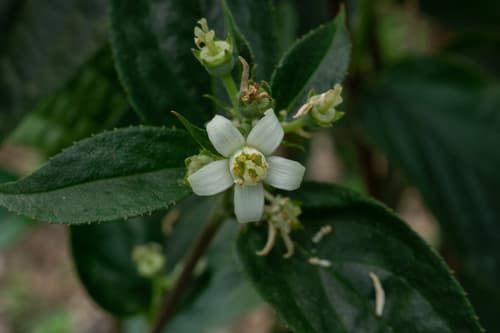
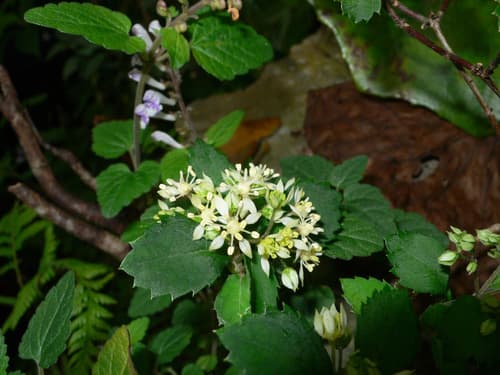
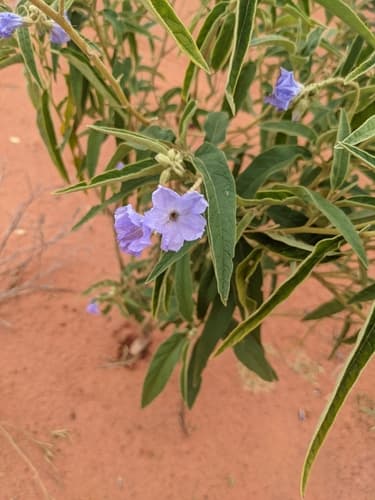
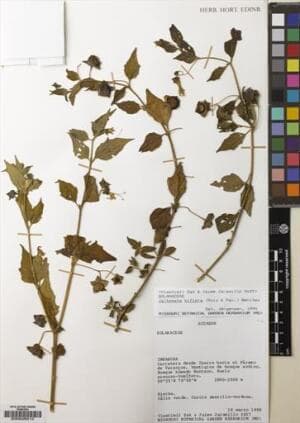
Jaltomata biflora is a herbaceous perennial plant, often sprawling or climbing, characterized by simple, ovate leaves and small, bell-shaped flowers typically borne in pairs. It produces small, fleshy berries that ripen from green to dark purple or black.