Kurdish Henbane
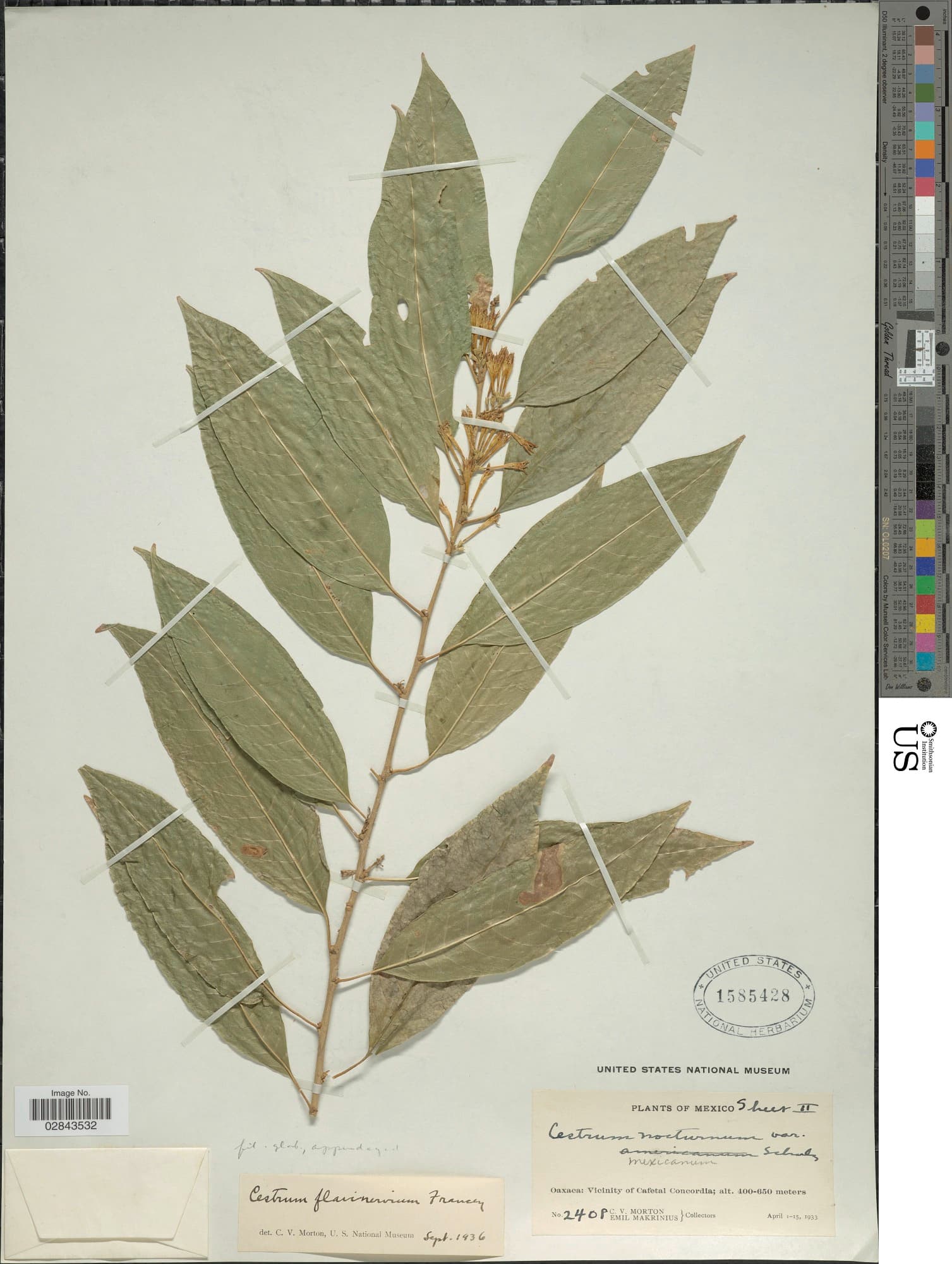
Image: Meise Botanic Garden (cc-by)
NameKurdish Henbane
Scientific NameHyoscyamus kurdicus Bornm.
Common NamesKurdish Henbane, Henbane
Plant FamilySolanaceae
Natural HabitatNative to steppe environments, often found growing alongside Artemisia species. The specimen was collected in Iran, specifically along the route from Sirjan to Kerman, at an altitude of 2450m.
Parts Usedleaf,flower,root
Medicinal Actionsanalgesic, sedative, nervine
Traditional UsesHistorically, *Hyoscyamus* species have been used as potent sedatives, analgesics, and antispasmodics for conditions such as nervous disorders, insomnia, and muscle spasms. Due to its high toxicity, it was traditionally employed with extreme caution, often in very small, controlled doses or for external applications to alleviate pain.
Active Constituentshyoscyamine, scopolamine, tropane alkaloids
Preparation Methodstincture, powder, poultice
Contraindications & WarningsHighly toxic; internal use should only be under strict medical supervision due to the presence of potent tropane alkaloids. Contraindicated in cases of glaucoma, prostatic hypertrophy, heart conditions, pregnancy, breastfeeding, and in children. Avoid concurrent use with other anticholinergic drugs or central nervous system depressants. Overdose can be fatal.
Cultivation NotesPrefers dry, well-drained soils and full sun, mimicking its natural steppe habitat. It is adapted to arid conditions and higher altitudes.
Rarityuncommon
Description
A perennial plant growing to about 20 cm in height, characterized by a robust taproot. Its flowers are greenish-yellow, distinctly veined with green, and feature prominent purple spots within the throat. The leaves are typically lobed or toothed and covered in fine hairs.