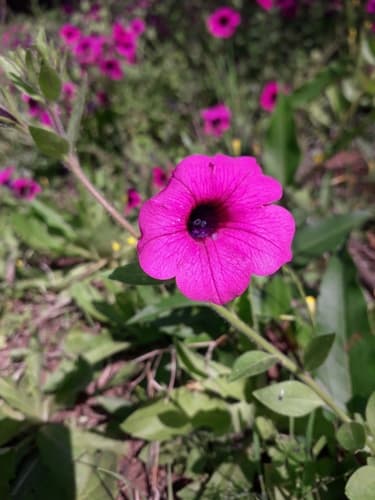
violetflower petunia
Namevioletflower petunia
Scientific NamePetunia integrifolia
Common NamesPetunia, Wild Petunia, Violet Petunia
Plant FamilySolanaceae
Natural HabitatNative to grasslands and open areas of South America, particularly Brazil and Argentina. It thrives in full sun and well-drained soils, and is widely cultivated globally as an ornamental.
Parts Usedwhole_plant,leaf
Medicinal Actionsdiuretic, expectorant, anti-inflammatory
Traditional UsesIn some traditional South American folk medicine, Petunia integrifolia has been used for its purported diuretic properties and to address respiratory ailments such as coughs and bronchitis. Topically, it has been traditionally applied as a poultice for skin irritations or minor wounds, suggesting anti-inflammatory action.
Active Constituentsflavonoids, anthocyanins, alkaloids
Preparation Methodsinfusion, poultice
Contraindications & WarningsWhile generally considered low toxicity, Petunia species are part of the Solanaceae family, which can contain various alkaloids. Internal consumption is not recommended without expert guidance due to limited scientific research on safety and efficacy. Skin irritation may occur in sensitive individuals.
Cultivation NotesPetunias are easy to grow and prefer full sun exposure and consistently moist, well-drained soil. Regular watering and fertilization promote abundant flowering. Deadheading spent blooms encourages continuous flowering throughout the growing season.
Raritycommon
Description
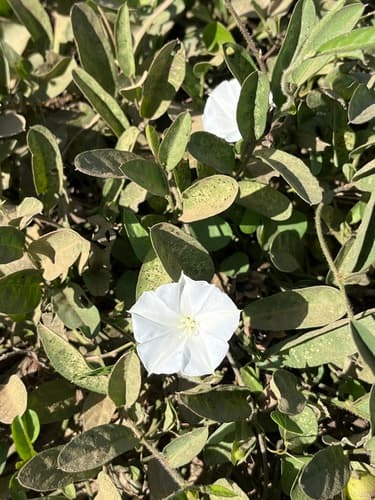
Petunia integrifolia is a herbaceous annual or short-lived perennial, characterized by its vibrant, trumpet-shaped flowers, typically in shades of violet or magenta, with a darker throat. The plant features simple, often hairy and somewhat sticky leaves, and a sprawling or bushy growth habit.