Nasa Contumazensis
NameNasa Contumazensis
Scientific NameNasa contumazensis
Plant FamilyLoasaceae
Natural HabitatEndemic to the Andean regions of Peru, particularly the Cajamarca department. It typically grows in rocky slopes, disturbed areas, or along roadsides at moderate elevations.
Parts Usedwhole_plant,leaf
Medicinal Actionsanti-inflammatory, analgesic
Traditional UsesWhile specific traditional uses for Nasa contumazensis are not widely documented, other species within the Nasa genus are traditionally used as counter-irritants for rheumatic pain or topically for skin conditions, leveraging their stinging properties to stimulate local circulation and alleviate discomfort.
Active Constituentsalkaloids, flavonoids, saponins
Preparation Methodspoultice
Contraindications & WarningsDirect contact with the plant's stinging hairs can cause significant skin irritation, redness, and pain. Not recommended for internal use without proper detoxification and expert guidance. Avoid contact with eyes and mucous membranes.
Cultivation NotesPrefers well-drained soil and moderate sunlight, typical of its native Andean habitat. Requires protection from frost. Propagation is usually by seed.
Rarityrare
Description
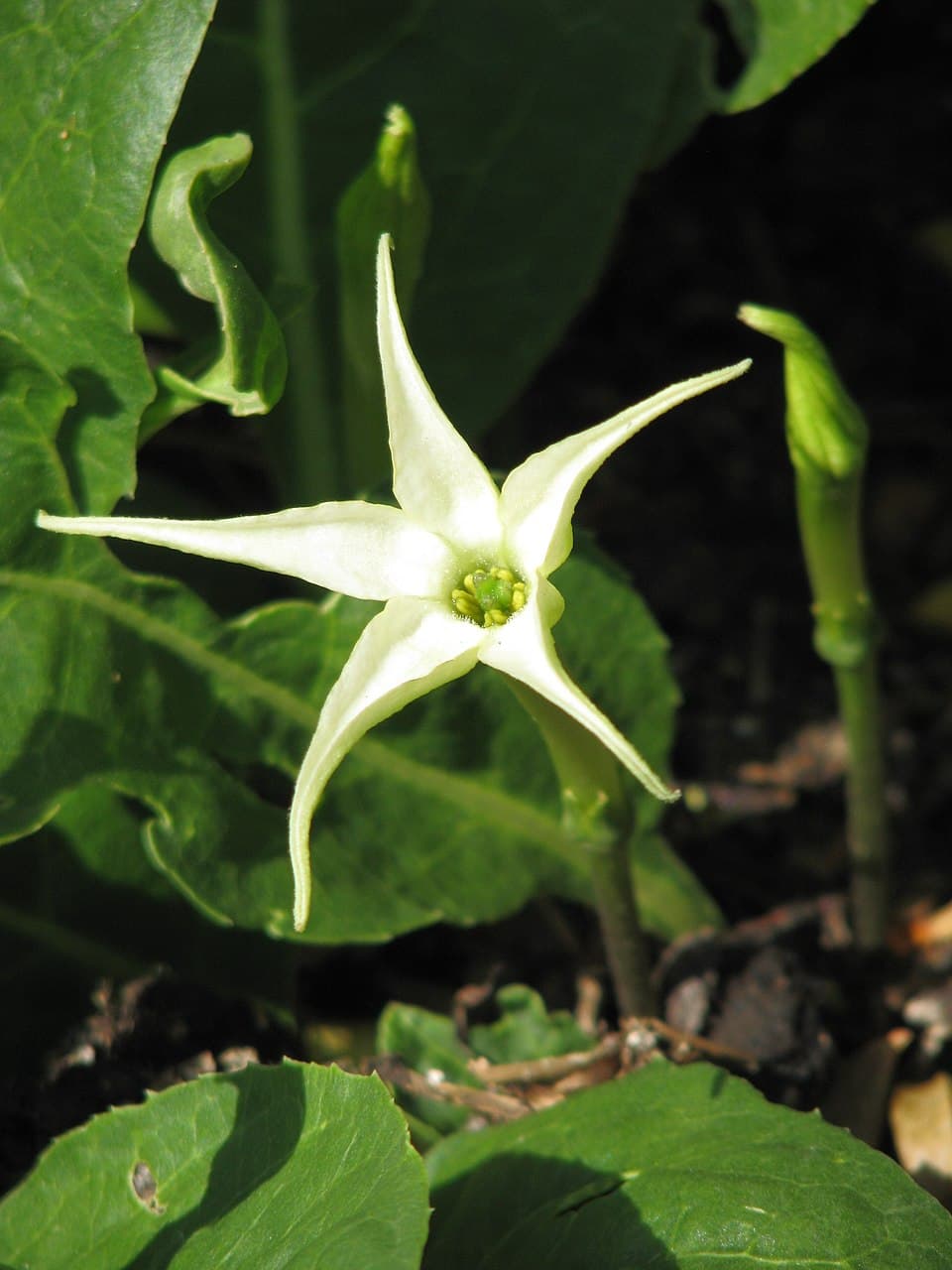
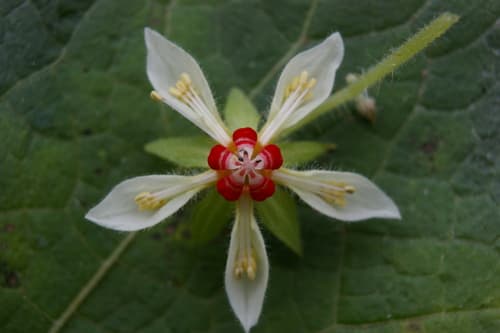
Nasa contumazensis is a herbaceous plant endemic to Peru, characterized by its striking flowers. Each flower typically displays five white petals surrounding a distinctive central column, often adorned with vibrant red and white patterns, and prominent yellow anthers. The plant is known for its textured leaves and often possesses stinging hairs.