Solanum stenophyllum
NameSolanum stenophyllum
Scientific NameSolanum stenophyllum
Plant FamilySolanaceae
Natural HabitatNative to the Andean regions of South America, particularly Peru and Bolivia, growing in montane forests, cloud forests, and high-altitude scrublands.
Parts Usedleaf,fruit
Medicinal Actionsanti-inflammatory, analgesic
Traditional UsesSpecific traditional medicinal uses for Solanum stenophyllum are not well-documented in readily available ethnobotanical literature. While other species within the Solanum genus are traditionally used for their anti-inflammatory and analgesic properties, often applied topically for pain or skin conditions, the use of S. stenophyllum requires extreme caution due to the potential presence of toxic glycoalkaloids.
Active Constituentssteroidal glycoalkaloids, flavonoids
Preparation Methodspoultice
Contraindications & WarningsAll parts of Solanum stenophyllum should be considered potentially toxic due to the likely presence of steroidal glycoalkaloids. Internal use is strongly contraindicated without expert guidance and specific knowledge of safe preparation. Avoid use by pregnant or nursing women, children, and individuals with liver or kidney conditions. Topical use should also be approached with extreme caution due to potential skin irritation or absorption of toxic compounds.
Cultivation NotesPrefers well-drained, fertile soil and a climate mimicking its native Andean montane habitat, typically full sun to partial shade. Requires consistent moisture but not waterlogging. Not widely cultivated.
Rarityuncommon
Description
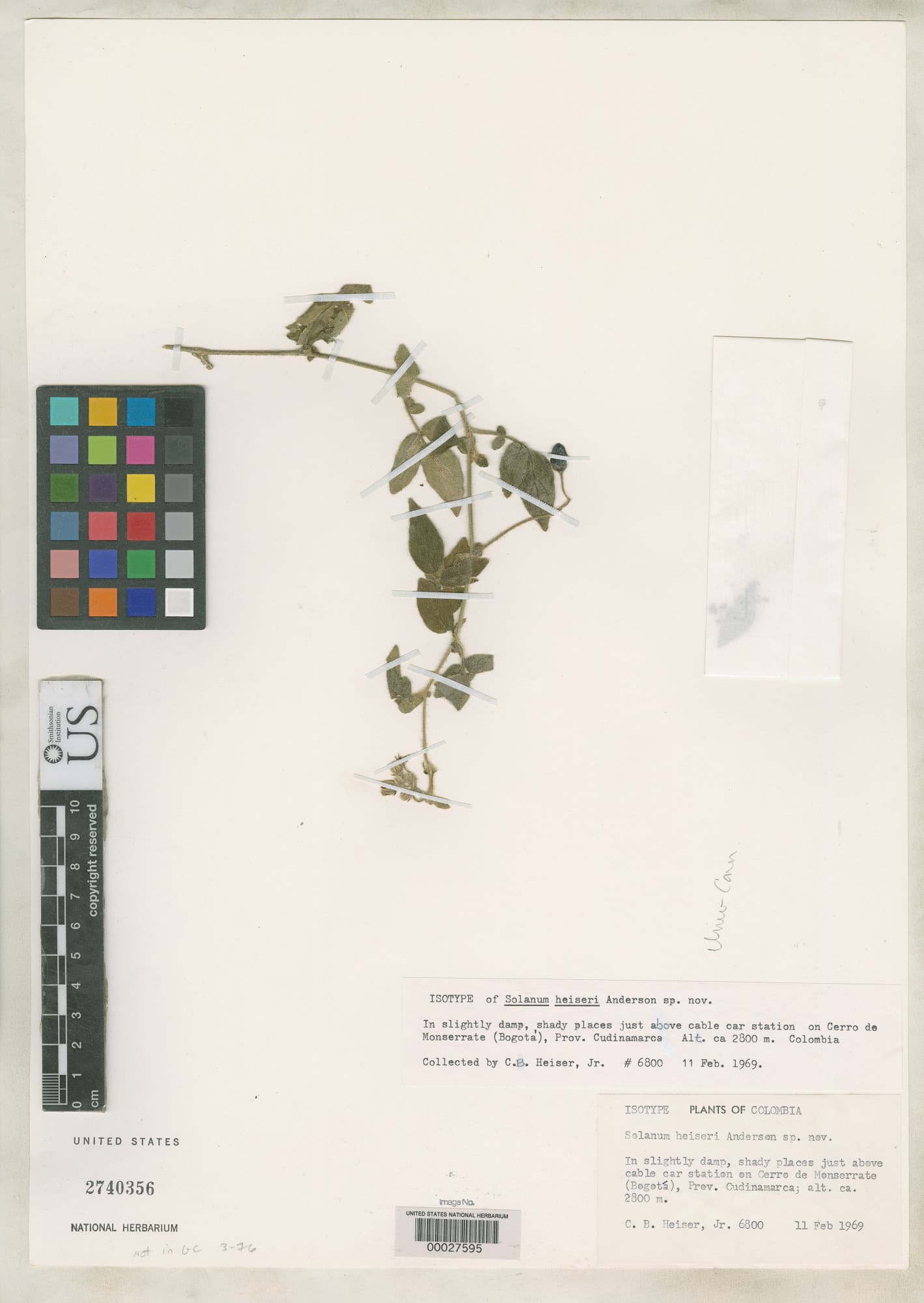
A shrub or small tree, typically 1-3 meters tall, characterized by its elliptic to lanceolate leaves which may have a velvety or woolly texture. It produces clusters of star-shaped, purple or lavender flowers with prominent yellow anthers, followed by small berries.