Kava
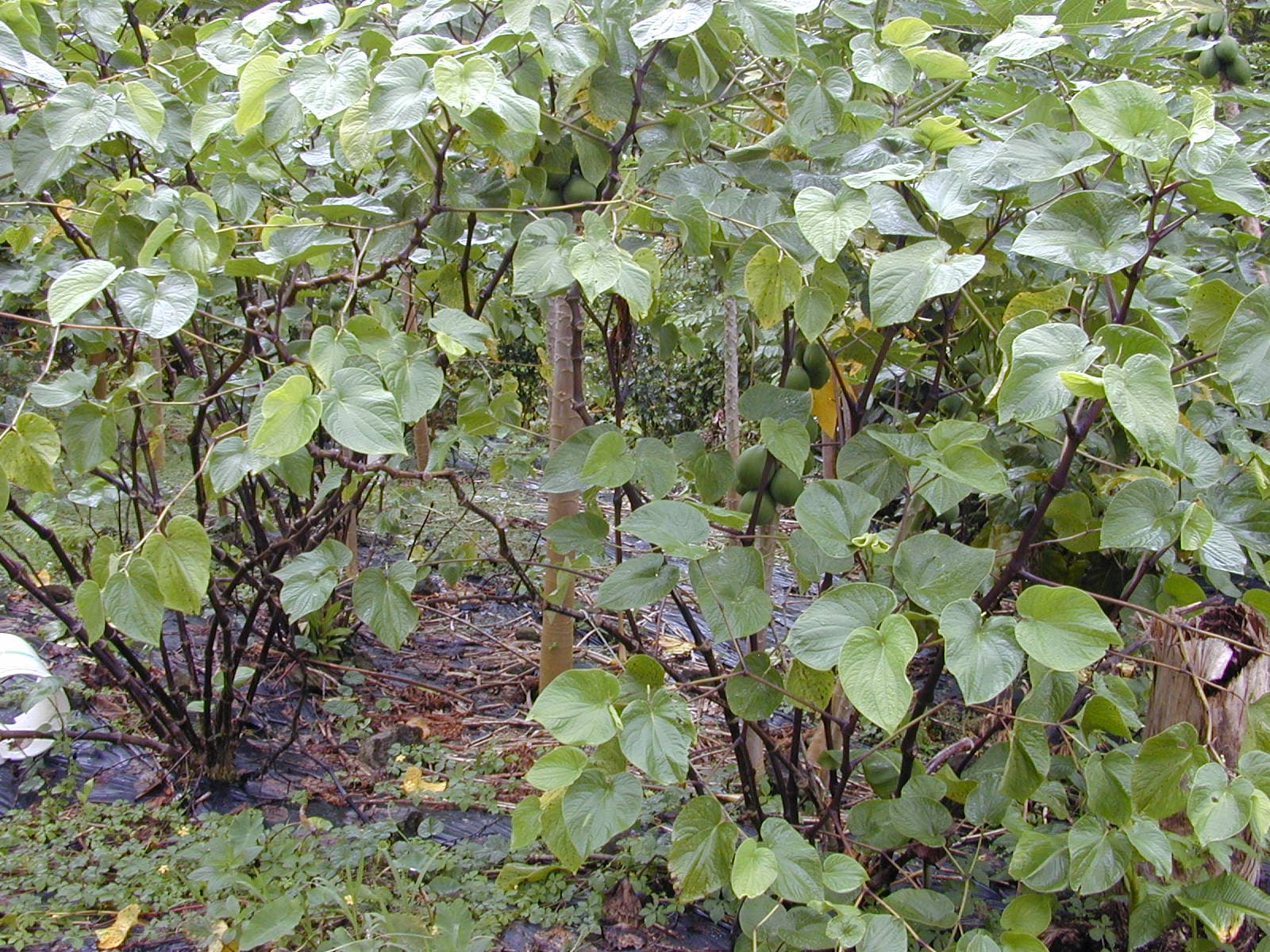
Image: Forest & Kim Starr (CC BY 3.0)
NameKava
Scientific NamePiper methysticum
Common NamesKava, Kava-kava, 'Awa, Sakau, Yaqona
Plant FamilyPiperaceae
Natural HabitatNative to the islands of the South Pacific, Kava thrives in tropical and subtropical climates with high rainfall, well-drained soil, and partial shade, often found in cultivated gardens or forest clearings.
Parts Usedroot
Medicinal Actionsnervine, sedative, analgesic, anti-inflammatory
Traditional UsesTraditionally, Kava root is prepared into a ceremonial drink consumed for its relaxing, anxiolytic, and mild euphoric effects in Pacific Island cultures. It is used to alleviate anxiety, stress, insomnia, muscle tension, and as a social beverage.
Active ConstituentsKavalactones, Kavain, Dihydrokavain, Methysticin, Dihydromethysticin, Yangonin, Desmethoxyyangonin
Preparation Methodsinfusion, powder, tincture
Contraindications & WarningsContraindicated in individuals with liver disease or a history of liver problems, pregnant or breastfeeding women, and those operating heavy machinery. It can interact with alcohol, benzodiazepines, and other central nervous system depressants.
Cultivation NotesKava prefers warm, humid conditions with consistent moisture and well-drained, fertile soil. It requires partial shade and protection from strong winds. Propagation is typically done vegetatively from stem cuttings, as the plant rarely produces viable seeds.
Raritycommon
Description
Kava is a stout, erect, perennial shrub growing up to 3-6 meters tall, characterized by its large, heart-shaped to ovate leaves and jointed, dark-colored stems. The plant shown in the image is a dense habit of Kava plants with prominent green leaves and dark, woody stems, indicative of its typical growth pattern in cultivation.