Nasa urentivelutina
NameNasa urentivelutina
Scientific NameNasa urentivelutina
Common NamesOrtiga brava de la sierra
Plant FamilyLoasaceae
Natural HabitatNative to the Andean regions of Peru and Bolivia, typically found in montane environments at higher altitudes.
Parts Usedwhole_plant,leaf
Medicinal Actionsanti-inflammatory, analgesic
Traditional UsesTraditionally, species within the *Nasa* genus, including those with potent stinging hairs like *Nasa urentivelutina*, have been used as rubefacients or counter-irritants. The stinging sensation, when applied to the skin, was believed to alleviate localized pain, such as rheumatic discomfort, by stimulating blood flow and distracting from deeper pain.
Active ConstituentsUrticating compounds in stinging hairs, Irritant proteins/peptides
Preparation Methodspoultice
Contraindications & WarningsDirect skin contact can cause severe irritation, redness, swelling, and intense itching due to the stinging hairs. Avoid contact with eyes and mucous membranes. Not for internal use. Individuals with sensitive skin or allergies should exercise extreme caution.
Cultivation NotesPrefers well-drained soil and a cool, humid climate typical of its native Andean montane habitat. Requires protection from frost. Propagation is typically by seed. Handle with extreme care due to the potent stinging hairs.
Rarityuncommon
Description
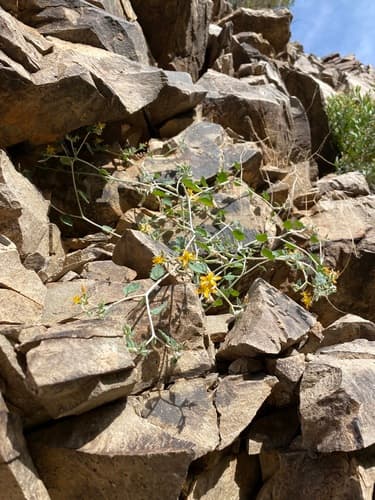
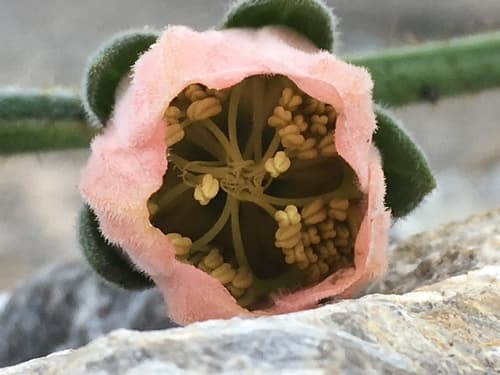
A perennial herb characterized by its distinctive, bell-shaped, pinkish flowers with numerous stamens, as seen in the image. The plant is notable for its dense covering of stinging (urticating) hairs, giving it a velvety appearance, which is a hallmark of the genus.