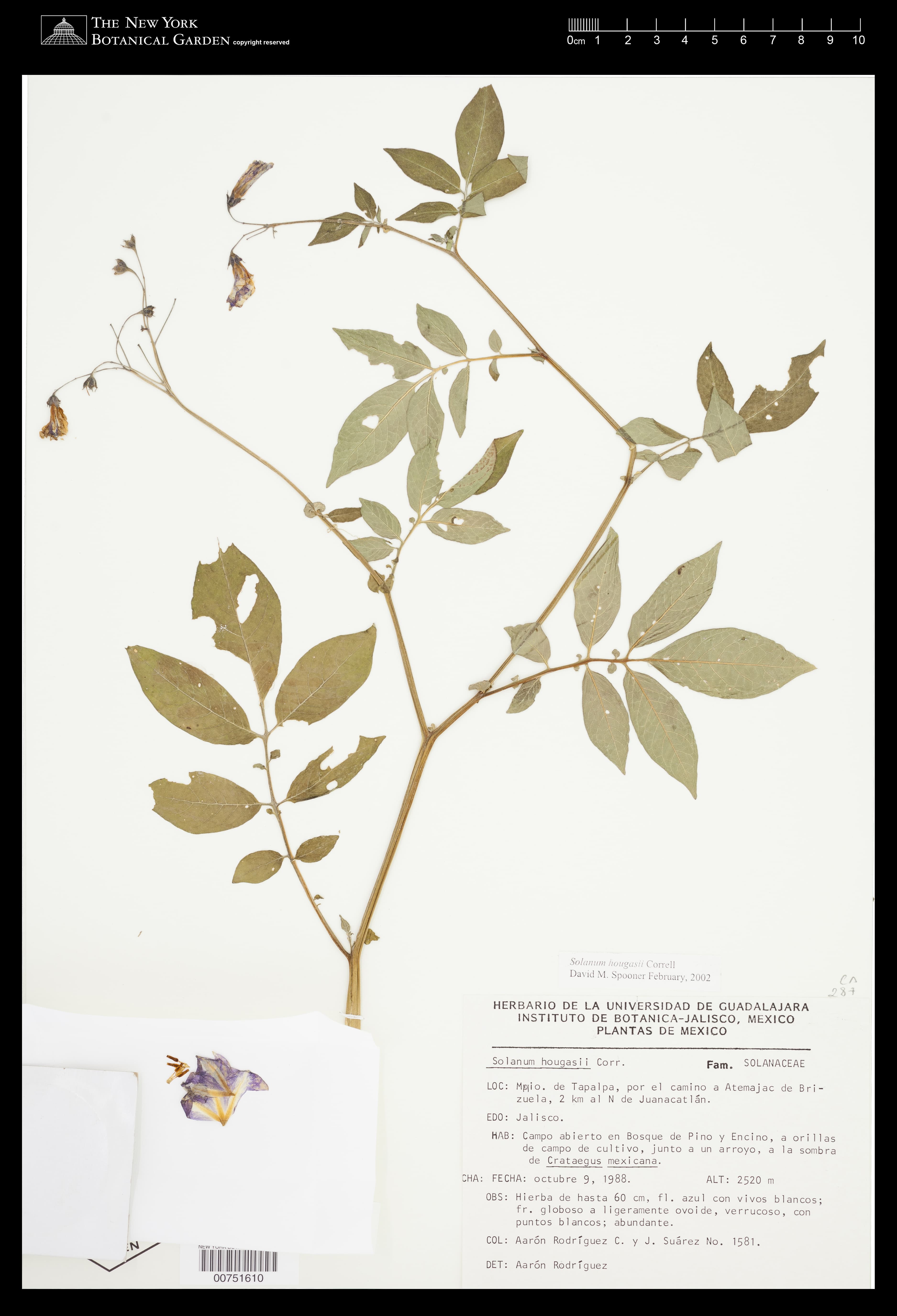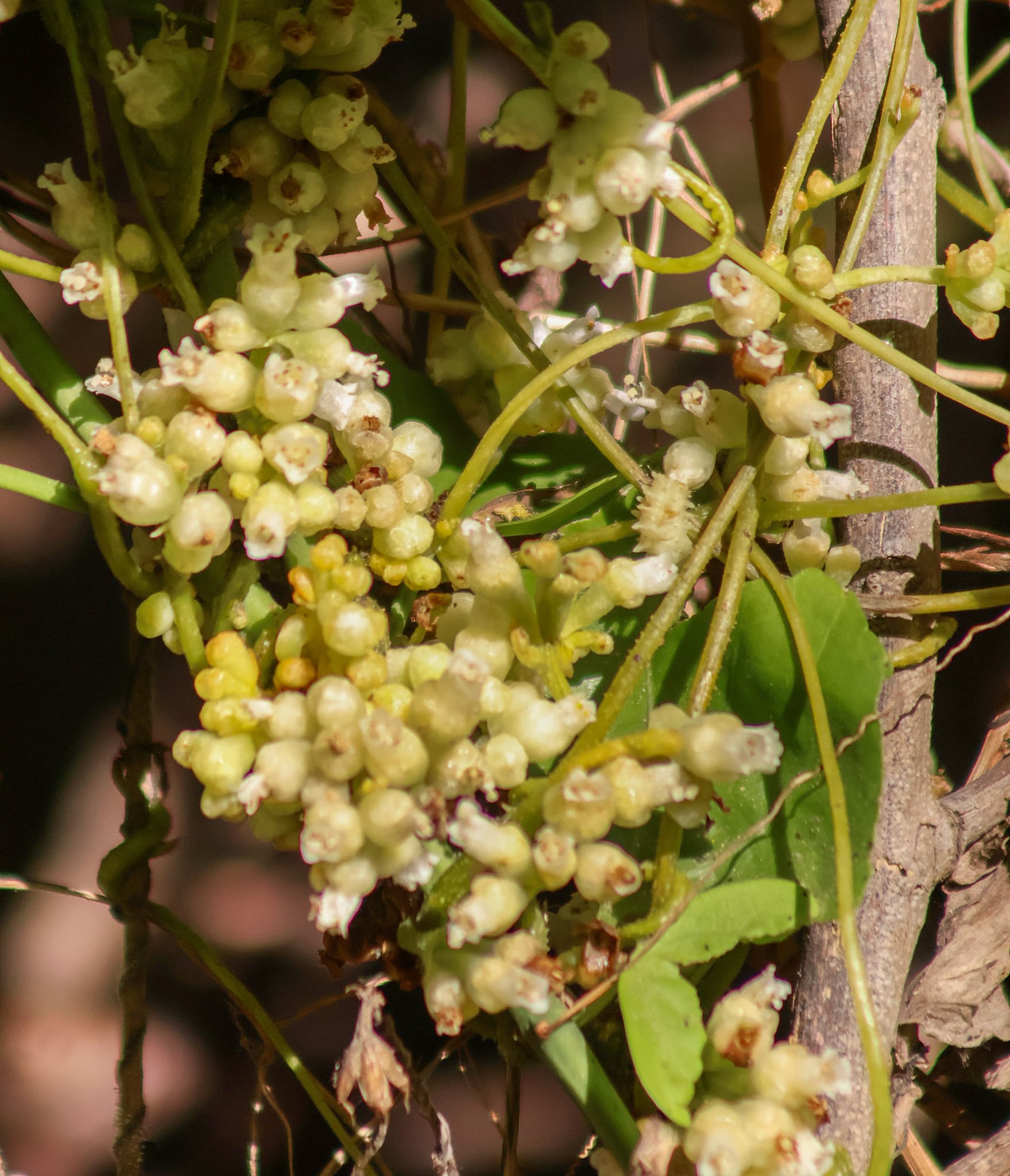
Convolvulus scindicus
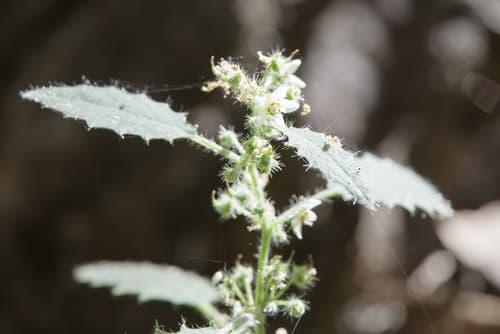
Image: Marco Polo amarillas vargas (cc-by-nc)
NameConvolvulus scindicus
Scientific NameConvolvulus scindicus
Common NamesSindh Bindweed, Scindus Bindweed
Plant FamilyConvolvulaceae
Natural HabitatNative to arid and semi-arid regions of Asia and Africa, typically found in sandy soils, disturbed areas, and along roadsides.
Parts Usedwhole_plant,leaf,root
Medicinal Actionsanti-inflammatory, antioxidant
Traditional UsesTraditionally, *Convolvulus scindicus* has been used in some regions for its purgative properties and to address various skin conditions. It is also sometimes employed for its general tonic effects.
Active ConstituentsResin glycosides, Flavonoids, Phenolic compounds
Preparation Methodsinfusion, decoction, powder
Contraindications & WarningsDue to its potential purgative effects, it should be avoided by pregnant or breastfeeding women and individuals with severe gastrointestinal issues. Excessive consumption may lead to abdominal discomfort and diarrhea.
Cultivation NotesThis species thrives in full sun and well-drained, sandy or rocky soils, demonstrating good drought tolerance. It can be propagated effectively from seeds.
Raritycommon
Description
Convolvulus scindicus is a perennial herbaceous plant characterized by its prostrate or climbing habit and slender, often hairy stems. It bears small, simple leaves and produces clusters of small, white to pale pink, funnel-shaped flowers.