Jacquemontia parviflora
Image: Meise Botanic Garden (cc-by)
NameJacquemontia parviflora
Scientific NameJacquemontia parviflora Choisy
Common NamesSmall-flowered Jacquemontia, Clustervine
Plant FamilyConvolvulaceae
Natural HabitatNative to tropical and subtropical regions of the Americas, particularly Brazil, where it is found in disturbed areas, open woodlands, savannas, and forest edges.
Parts Usedwhole_plant,leaf
Medicinal Actionsantimicrobial, anti-inflammatory, antioxidant
Traditional UsesSpecific traditional medicinal uses for Jacquemontia parviflora are not widely documented in ethnobotanical literature. However, other species within the Jacquemontia genus and the wider Convolvulaceae family are traditionally used for various purposes, including as purgatives, for skin conditions, and to reduce fevers.
Active ConstituentsFlavonoids, Triterpenes, Alkaloids
Preparation Methodsinfusion, decoction, powder
Contraindications & WarningsDue to limited specific research on Jacquemontia parviflora, caution is advised. Potential interactions with medications or specific health conditions are unknown. Pregnant or nursing individuals and young children should avoid use.
Cultivation NotesThis tropical vine thrives in warm climates with full sun to partial shade and well-drained soil. It can be propagated from seed and typically requires support for its climbing habit.
Rarityuncommon
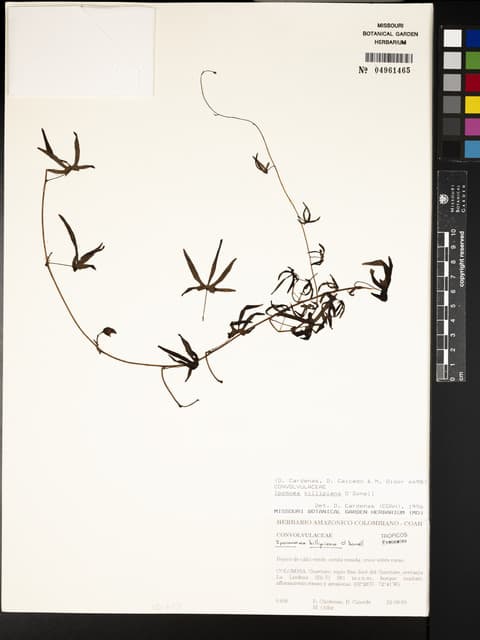
Description
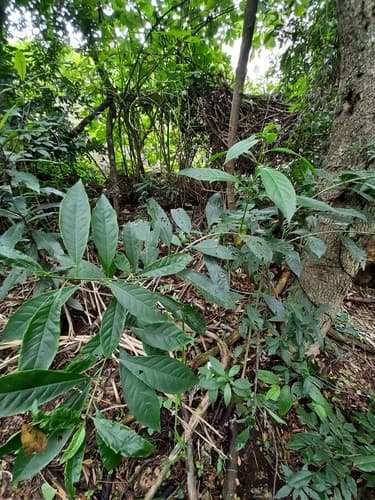
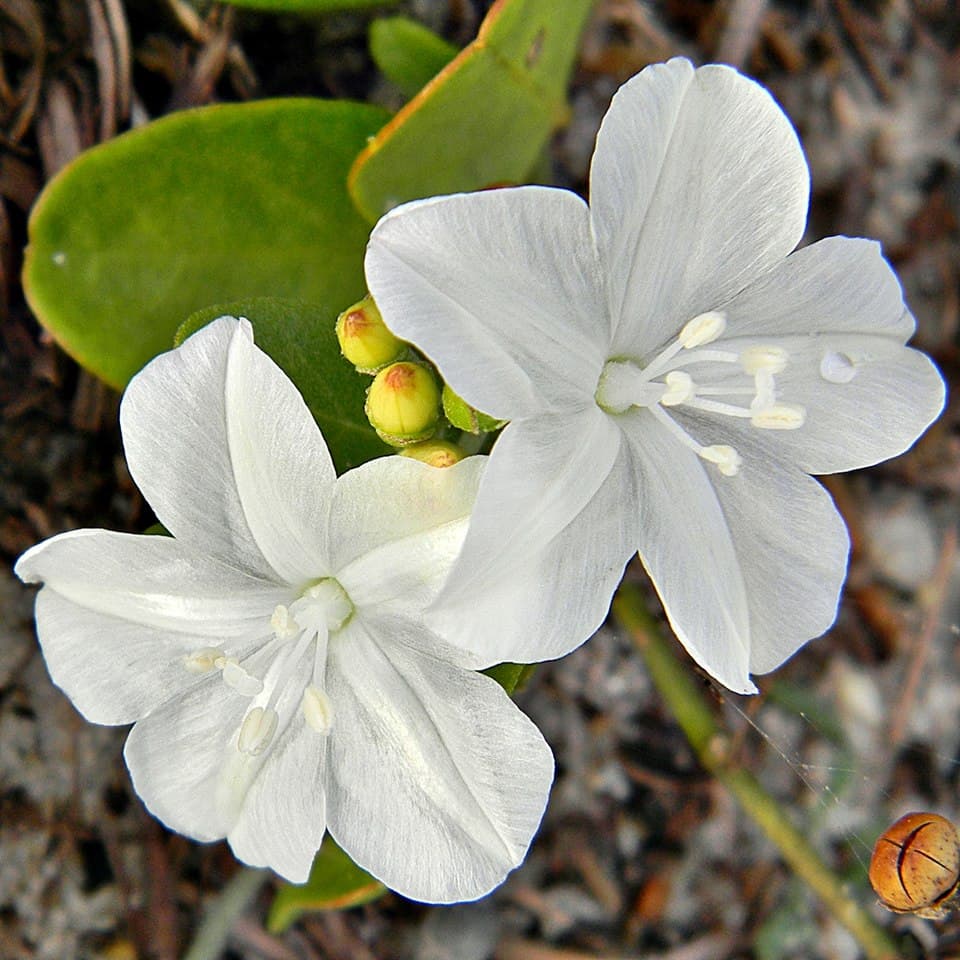
A slender, perennial herbaceous vine characterized by alternate, simple leaves that are typically ovate to cordate. It produces small, funnel-shaped flowers, often in axillary or terminal cymes, which appear dried and brownish in the specimen.