Solanum tenuisetosum
NameSolanum tenuisetosum
Scientific NameSolanum tenuisetosum
Plant FamilySolanaceae
Natural HabitatNative to South America, this plant is commonly found in tropical and subtropical regions, often thriving in disturbed areas, forest edges, and open woodlands.
Parts Usedleaf,whole_plant
Medicinal Actionsanti-inflammatory, antimicrobial, antioxidant
Traditional UsesSpecific traditional medicinal uses for Solanum tenuisetosum are not widely documented in common ethnobotanical literature. However, other species within the Solanum genus are traditionally used for various ailments, including pain relief, inflammation, skin conditions, and fever, often attributed to their steroidal glycoalkaloid content. Due to potential toxicity, extreme caution is advised.
Active ConstituentsSteroidal glycoalkaloids (e.g., solanine, solamargine, solasonine), Alkaloids, Phenolic compounds
Preparation Methodsdecoction, poultice
Contraindications & WarningsAs with many Solanum species, Solanum tenuisetosum is likely to contain steroidal glycoalkaloids which can be toxic if ingested in sufficient quantities. Symptoms of toxicity can include gastrointestinal upset, neurological effects, and cardiac issues. Pregnant or breastfeeding women, children, and individuals with liver or kidney conditions should avoid use. Interactions with medications are possible. Use only under expert guidance, if at all.
Cultivation NotesThis plant prefers tropical to subtropical climates with well-drained soil and can tolerate conditions ranging from full sun to partial shade. It is typically propagated by seed and can be found in disturbed habitats within its native range.
Raritycommon
Description
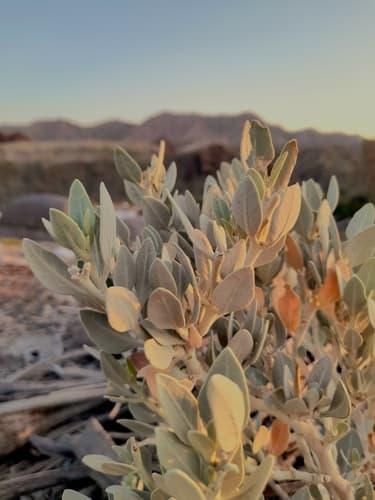
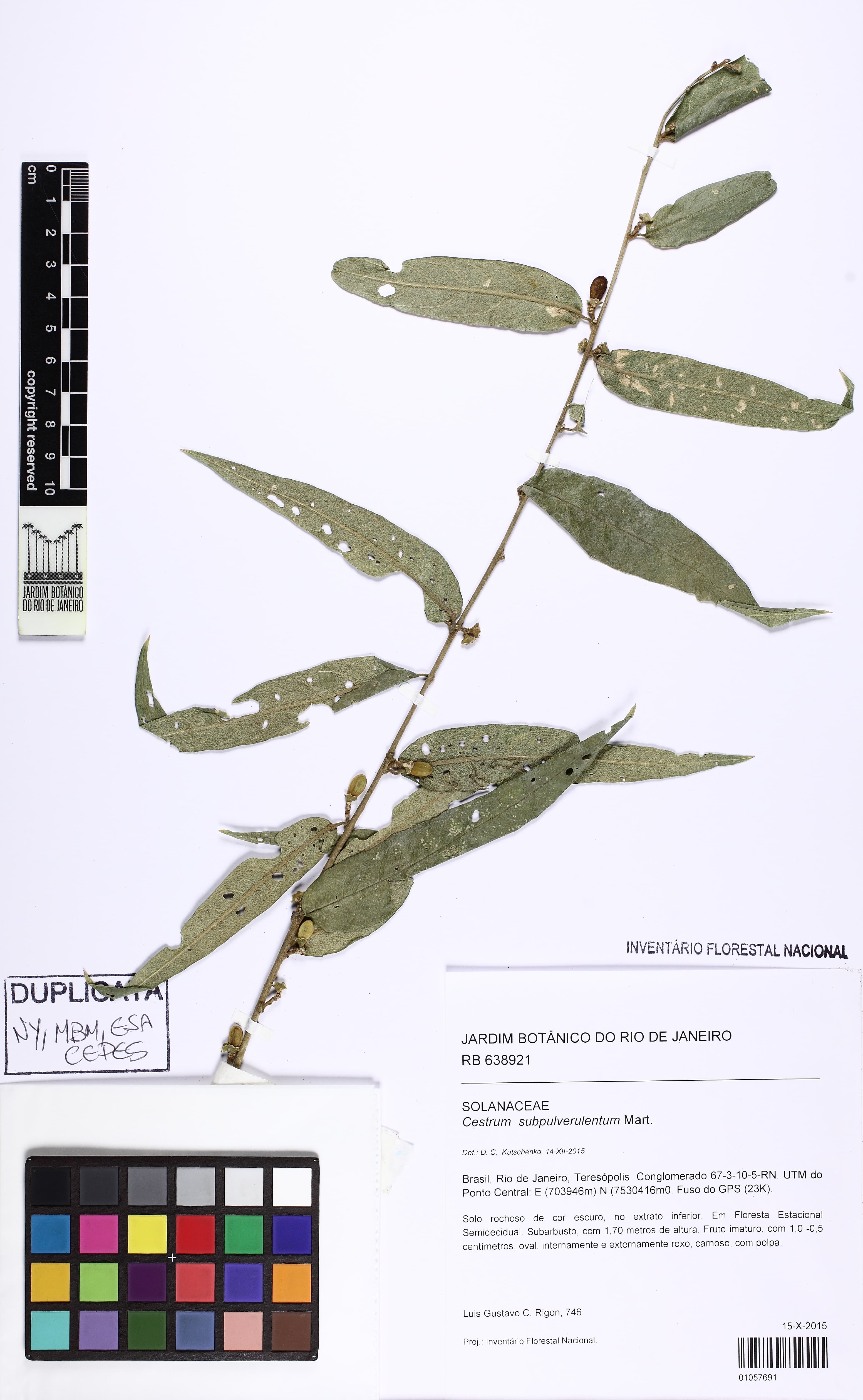
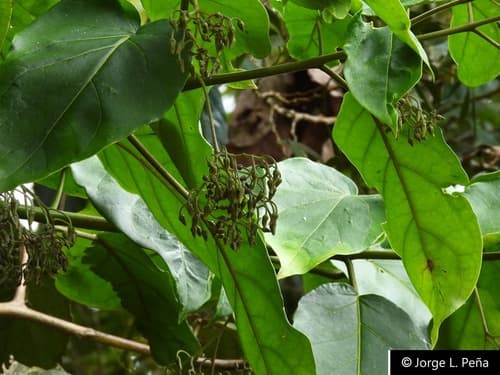
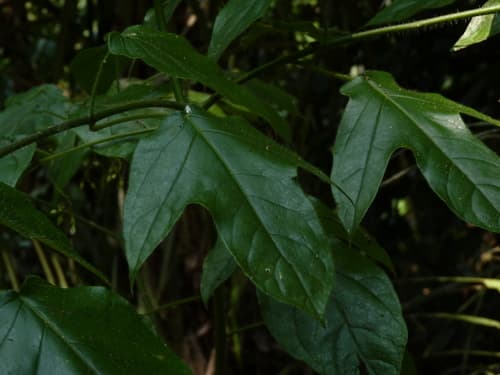
Solanum tenuisetosum is a species of nightshade, typically growing as a shrub or subshrub. It is characterized by its dark green, often lobed or sinuate leaves and stems that can be thinly bristly or hairy, reflecting its specific epithet 'tenuisetosum'.