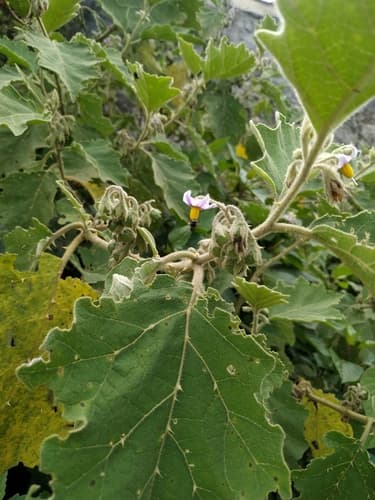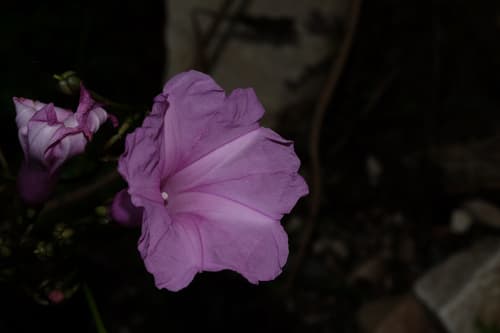
Ipomoea volcanensis
NameIpomoea volcanensis
Scientific NameIpomoea volcanensis
Common NamesVolcano Morning Glory
Plant FamilyConvolvulaceae
Natural HabitatNative to tropical and subtropical regions of Central and South America, often found in disturbed areas, forest edges, and particularly thriving in volcanic soils or mountainous regions. It prefers warm, humid environments.
Parts Usedleaf,flower,root,seed
Medicinal Actionsanalgesic, anti-inflammatory, antimicrobial
Traditional UsesWhile specific traditional uses for Ipomoea volcanensis are not widely documented, other species within the Ipomoea genus are traditionally used as purgatives, for treating skin conditions, and as anti-inflammatory or analgesic agents. Some species' seeds are known for their psychoactive properties, often used in ritualistic contexts.
Active ConstituentsAlkaloids, Glycosides, Resins
Preparation Methodsinfusion, decoction, poultice, powder
Contraindications & WarningsMany Ipomoea species, especially their seeds, can be toxic or have strong purgative effects if ingested in large quantities. Caution is advised, and internal use should be avoided without expert guidance due to potential toxicity and psychoactive compounds in some related species.
Cultivation NotesThis tropical vine prefers full sun to partial shade and well-drained, fertile soil. It requires a warm climate, consistent moisture, and a sturdy support structure for climbing. It can be grown from seed or cuttings.
Rarityuncommon
Description
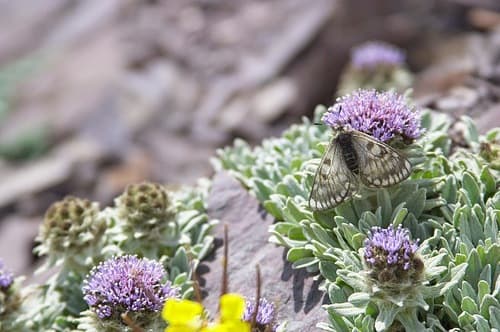
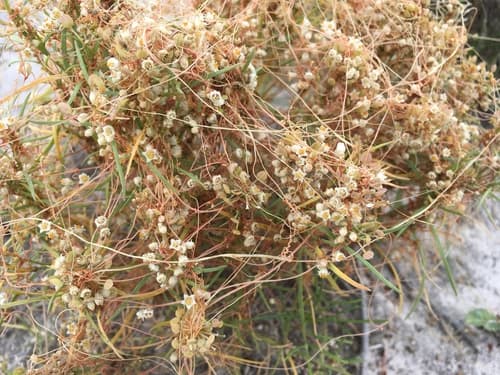
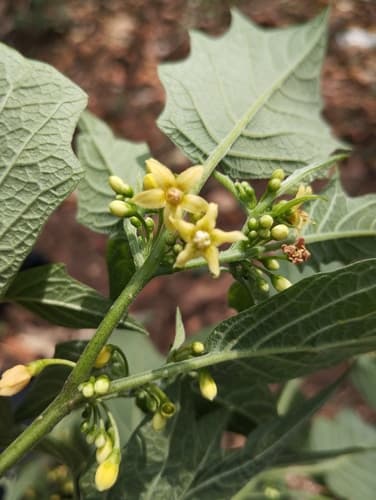
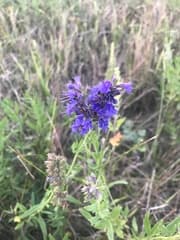
Ipomoea volcanensis is a vigorous climbing vine characterized by its large, showy, trumpet-shaped flowers, typically appearing in shades of purple or pinkish-purple, as seen in the image. Its leaves are generally heart-shaped or lobed, and it produces small, round seed capsules.