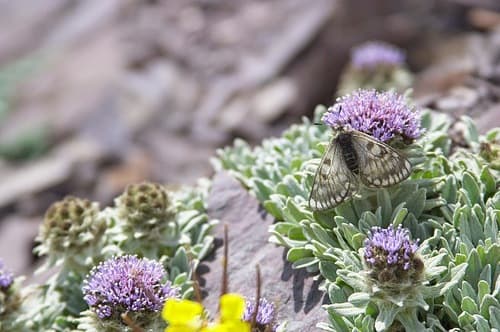
Parnassius boedromius
NameParnassius boedromius
Scientific NameGlobularia cordifolia
Common NamesHeart-leaved Globe Daisy, Dwarf Globe Daisy
Plant FamilyPlantaginaceae
Natural HabitatNative to mountainous regions of central and southern Europe, growing in rocky crevices, scree slopes, and alpine meadows, typically on calcareous soils.
Parts Usedwhole_plant,leaf,flower
Medicinal Actionsdiuretic, anti-inflammatory
Traditional UsesHistorically, Globularia cordifolia has been used in traditional European folk medicine as a strong laxative and purgative, particularly for constipation. It was also applied externally as a poultice for wounds and skin conditions, and sometimes used as a diuretic.
Active ConstituentsIridoid glycosides, flavonoids, tannins
Preparation Methodsinfusion, decoction, poultice, powder
Contraindications & WarningsDue to its strong purgative action, it should be used with caution. High doses can cause severe gastrointestinal upset, vomiting, and diarrhea. Not recommended for pregnant or breastfeeding women, or individuals with inflammatory bowel conditions.
Cultivation NotesPrefers full sun and well-drained, alkaline to neutral soil. Ideal for rock gardens, scree beds, or alpine troughs, it is drought tolerant once established.
Raritycommon
Description
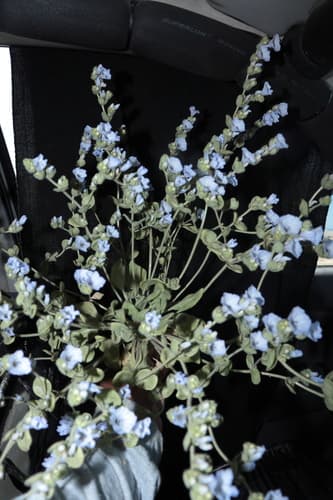
A low-growing, mat-forming perennial herb with small, heart-shaped to spatulate, evergreen leaves forming dense rosettes. It produces short stems topped with spherical clusters of numerous tiny, lavender-blue to purplish flowers, characteristic of alpine environments.