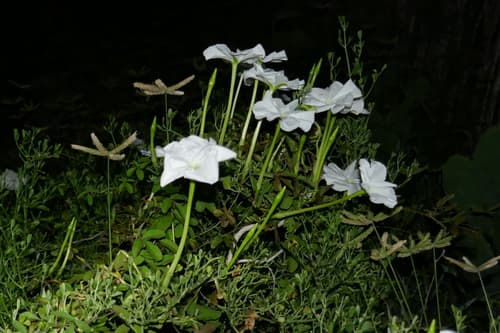
Ipomoea longituba
NameIpomoea longituba
Scientific NameIpomoea longituba
Common NamesLong-tubed Morning Glory, Flor de Luna
Plant FamilyConvolvulaceae
Natural HabitatNative to Mexico and Central America, it thrives in tropical deciduous forests, disturbed areas, roadsides, and clearings, often at various elevations.
Parts Usedroot,leaf,flower
Medicinal Actionsanti-inflammatory
Traditional UsesWhile specific traditional uses for Ipomoea longituba are not extensively documented, various species within the Ipomoea genus have been traditionally used as strong purgatives, and sometimes for treating inflammation or skin conditions.
Active ConstituentsResin glycosides
Preparation Methodsdecoction, infusion, powder
Contraindications & WarningsDue to potential strong purgative effects and possible presence of other active compounds, it should be avoided by pregnant or nursing women, children, and individuals with gastrointestinal disorders. Consult a healthcare professional before use.
Cultivation NotesThis vine prefers tropical to subtropical climates with well-drained soil and full sun to partial shade. It requires support for climbing and can be propagated from seeds or cuttings.
Raritycommon
Description
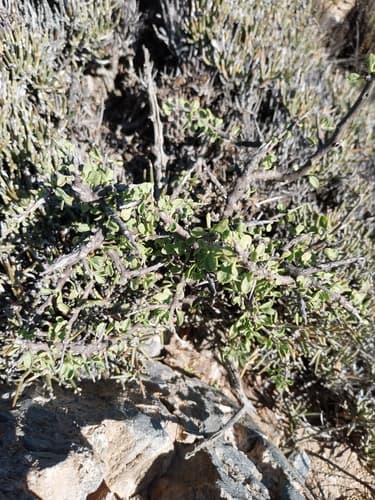
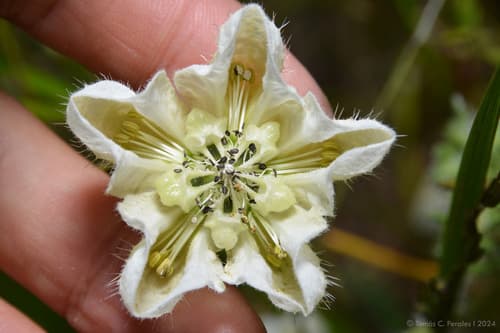
Ipomoea longituba is a perennial climbing or sprawling vine known for its large, showy, white, trumpet-shaped flowers that open at night. Its distinctive feature is the exceptionally long, slender corolla tube, and it typically has cordate or ovate leaves.