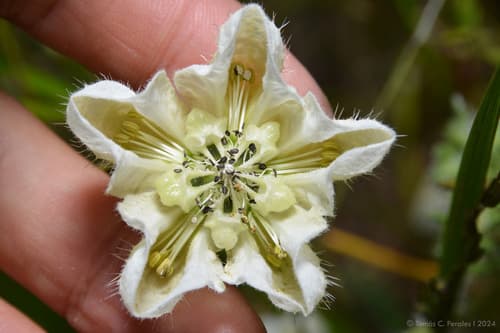
Caiophora clavata
NameCaiophora clavata
Scientific NameCaiophora clavata
Common NamesOrtiga brava, Ortiga de la sierra, Andean Stinging Nettle
Plant FamilyLoasaceae
Natural HabitatFound in high-altitude Andean regions of South America, typically growing on rocky slopes, scrublands, and disturbed areas at elevations ranging from 2,500 to 4,000 meters.
Parts Usedleaf,whole_plant
Medicinal Actionsanalgesic, anti-inflammatory
Traditional UsesTraditionally, the plant has been used by indigenous communities in the Andes for its purported analgesic and anti-inflammatory properties. It is often applied externally as a poultice to alleviate rheumatic pain, muscle aches, sprains, and other localized inflammatory conditions. The stinging sensation from its hairs is sometimes intentionally used as a counter-irritant.
Active Constituentsflavonoids, triterpenes, alkaloids
Preparation Methodsinfusion, decoction, poultice
Contraindications & WarningsThe plant is covered in stinging hairs (glochids) that can cause severe skin irritation, itching, and dermatitis upon contact. Internal use should be approached with extreme caution due to potential toxicity or gastrointestinal irritation. Not recommended for pregnant or breastfeeding women, or young children.
Cultivation NotesRequires well-drained soil and prefers full sun to partial shade. It thrives in cooler temperatures and high-altitude conditions, mimicking its native Andean habitat. Cultivation outside its natural range can be challenging due to specific environmental requirements.
Rarityuncommon
Description
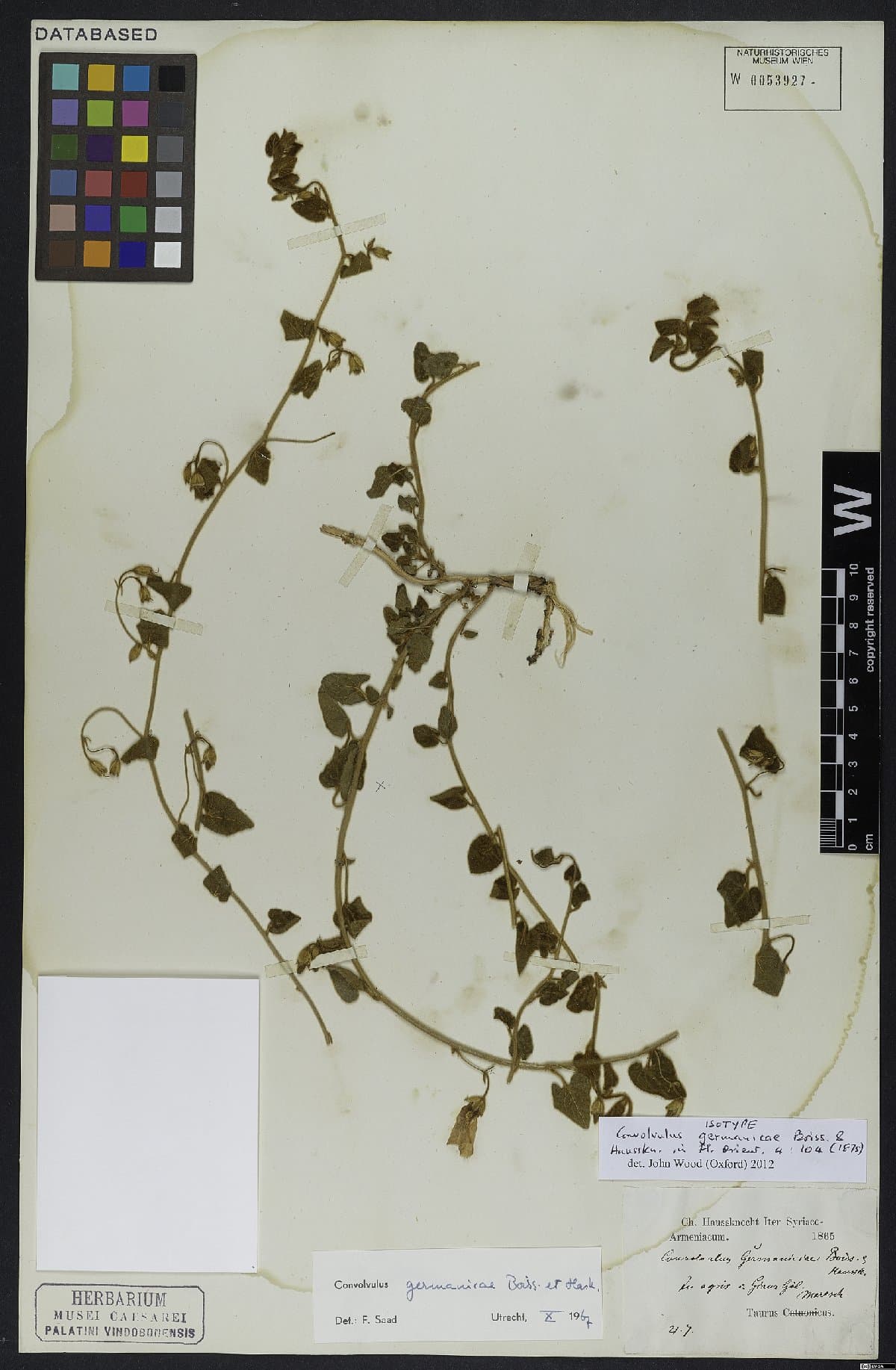

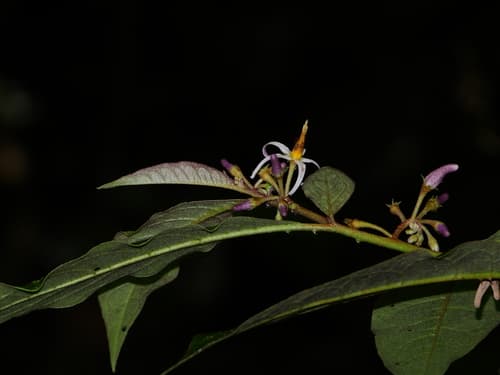
Caiophora clavata is a herbaceous climbing plant native to the high Andes, characterized by its distinctive star-shaped, often white or yellowish flowers and stems covered in stinging hairs. These hairs are a prominent feature, causing irritation upon contact.