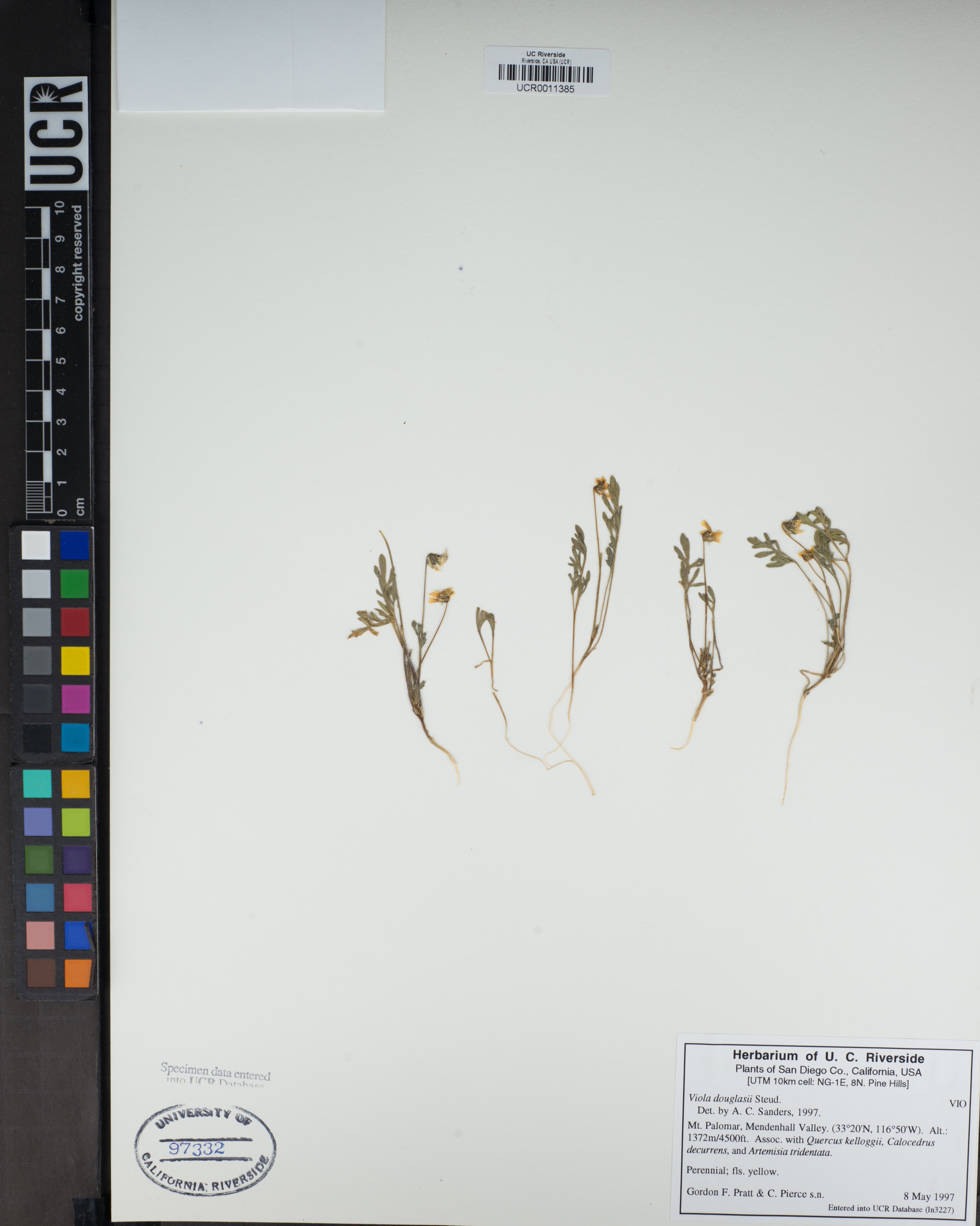
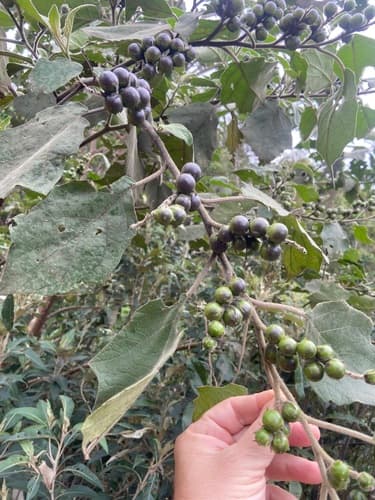
Ipomoea involucrata
NameIpomoea involucrata
Scientific NameIpomoea involucrata
Common NamesAfrican Morning Glory, Purple Morning Glory
Plant FamilyConvolvulaceae
Natural HabitatNative to tropical Africa and parts of Asia, it thrives in open woodlands, forest margins, disturbed areas, grasslands, and along roadsides, preferring warm, humid climates.
Parts Usedleaf,root,whole_plant
Medicinal Actionsanti-inflammatory, antimicrobial, antioxidant
Traditional UsesTraditionally used in African folk medicine for treating skin conditions, wounds, boils, fevers, and as an anti-inflammatory agent. Leaf extracts are often applied topically for skin ailments, while root preparations may be used for internal conditions.
Active ConstituentsFlavonoids, Phenolic compounds, Triterpenes, Resin glycosides
Preparation Methodsinfusion, decoction, poultice, powder
Contraindications & WarningsWhile specific contraindications for Ipomoea involucrata are not extensively documented, general caution is advised for Ipomoea species due to the presence of resin glycosides which can cause purgative effects. Pregnant or breastfeeding women and individuals with gastrointestinal issues should use with caution.
Cultivation NotesThis tropical vine prefers full sun to partial shade, well-drained soil, and requires a support structure for climbing. It is relatively fast-growing and can be propagated from seeds or cuttings in warm climates.
Raritycommon
Description
Ipomoea involucrata is a vigorous, herbaceous climbing vine characterized by its heart-shaped to ovate leaves and striking funnel-shaped flowers, typically lavender to deep pink, often with a darker throat. The flowers are subtended by prominent, often hairy, leaf-like bracts (involucres).