Hazel Dodder
NameHazel Dodder
Scientific NameCuscuta parviflora
Common NamesSmall-flowered Dodder, Hazel Dodder
Plant FamilyConvolvulaceae
Natural HabitatParasitic on various herbaceous plants and shrubs, often found in moist, disturbed areas, fields, roadsides, and open woodlands.
Parts Usedwhole_plant,seed
Medicinal Actionsadaptogen, antioxidant, diuretic
Traditional UsesIn traditional medicine, particularly Traditional Chinese Medicine (TCM), seeds of *Cuscuta* species (like *C. chinensis*) are known as Tu Si Zi and are used to tonify kidney yang, benefit the liver, improve vision, and treat conditions such as impotence, premature ejaculation, frequent urination, lower back pain, and blurred vision.
Active ConstituentsFlavonoids, Lignans, Polysaccharides, Alkaloids
Preparation Methodsinfusion, decoction, powder
Contraindications & WarningsContraindicated during pregnancy, for individuals with yin deficiency with heat signs, or those with constipation. May interact with certain medications due to potential diuretic or hormonal effects.
Cultivation NotesAs a parasitic plant, *Cuscuta parviflora* cannot be cultivated independently. It requires a host plant to grow and thrive, making intentional cultivation for medicinal purposes challenging and generally not practiced.
Raritycommon
Description
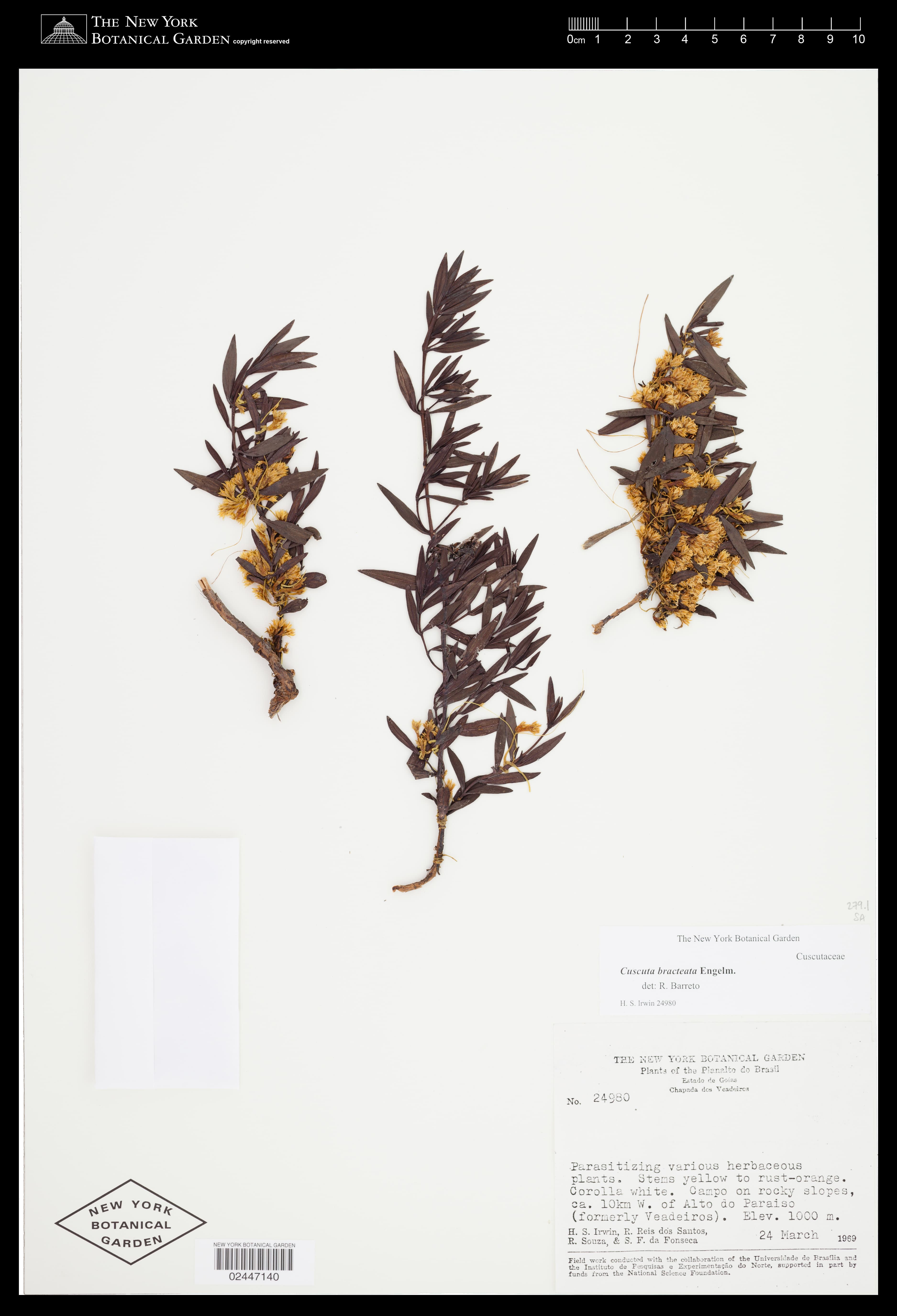
Cuscuta parviflora is a parasitic annual vine, typically yellowish or orange, with thread-like stems that twine around host plants. It lacks true leaves, possessing only minute scales, and produces clusters of small, white to cream-colored flowers.