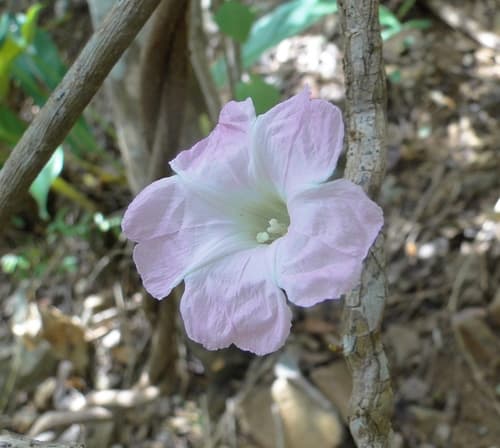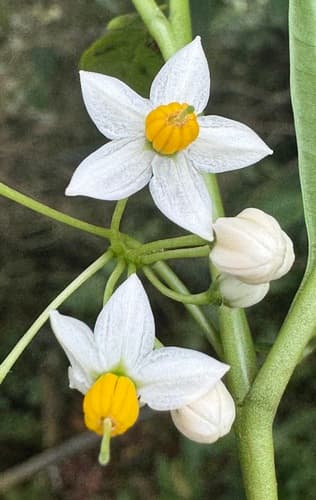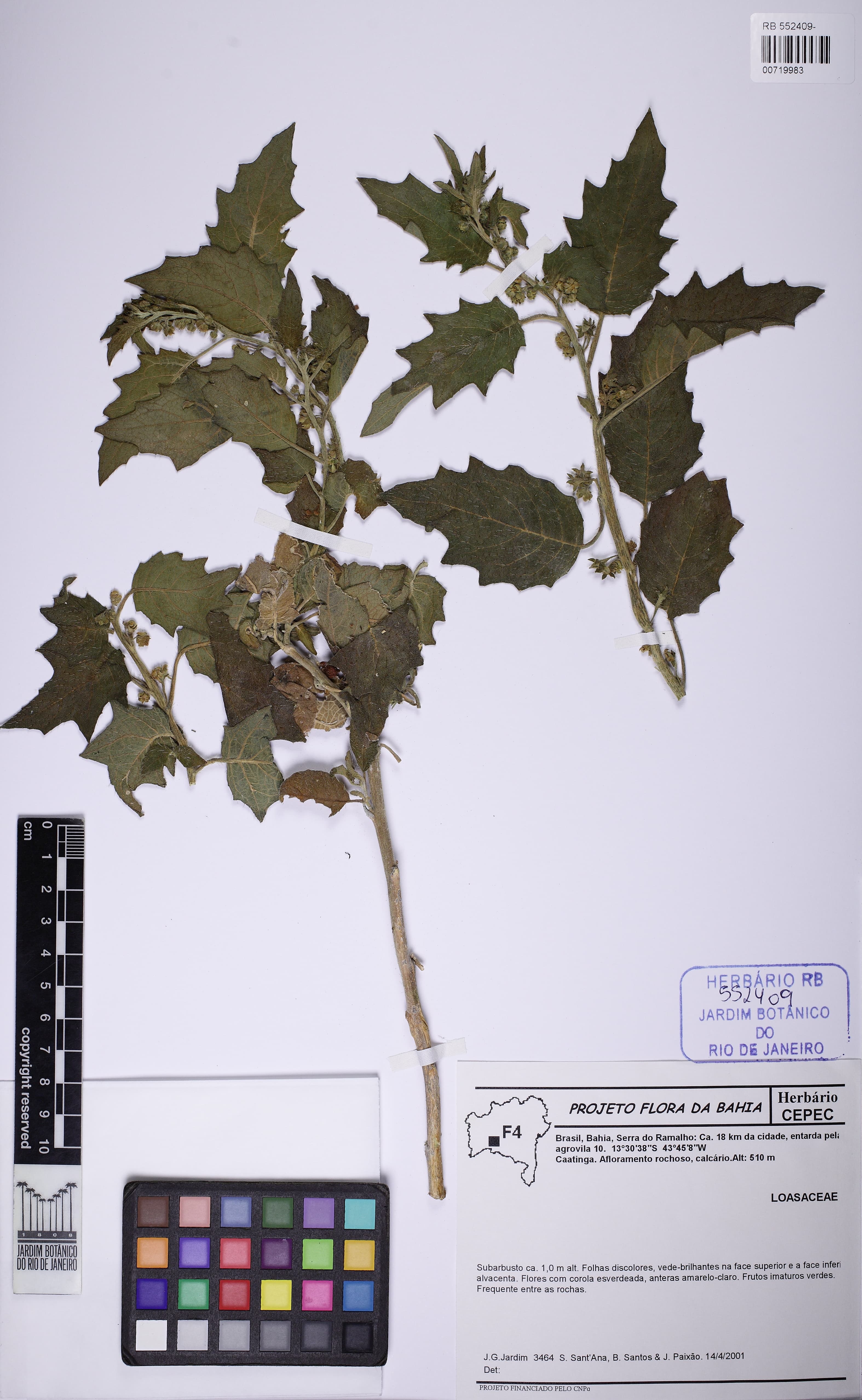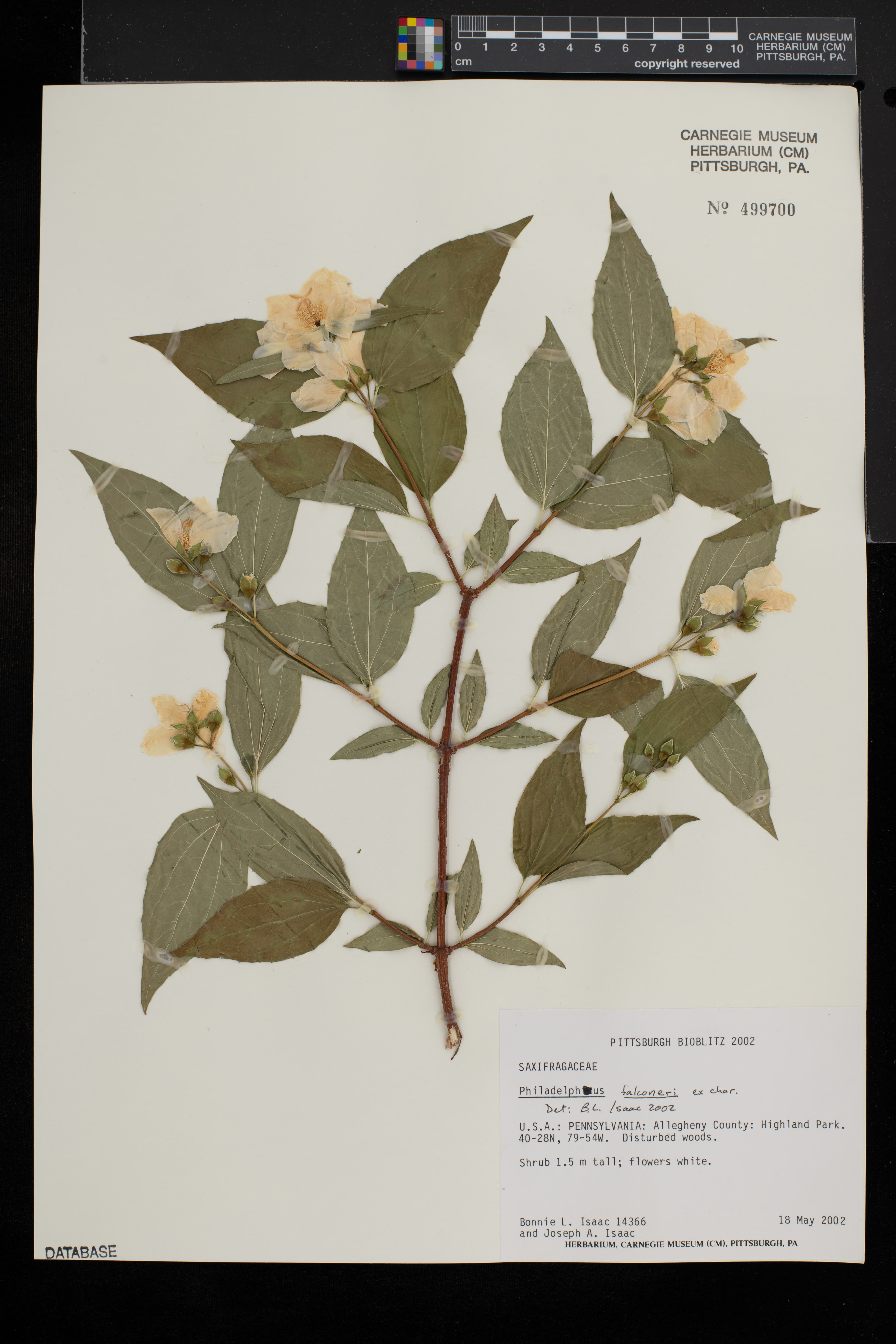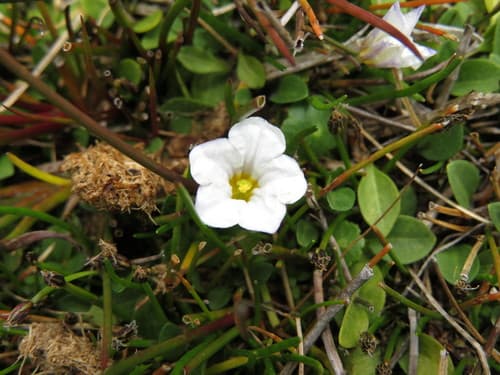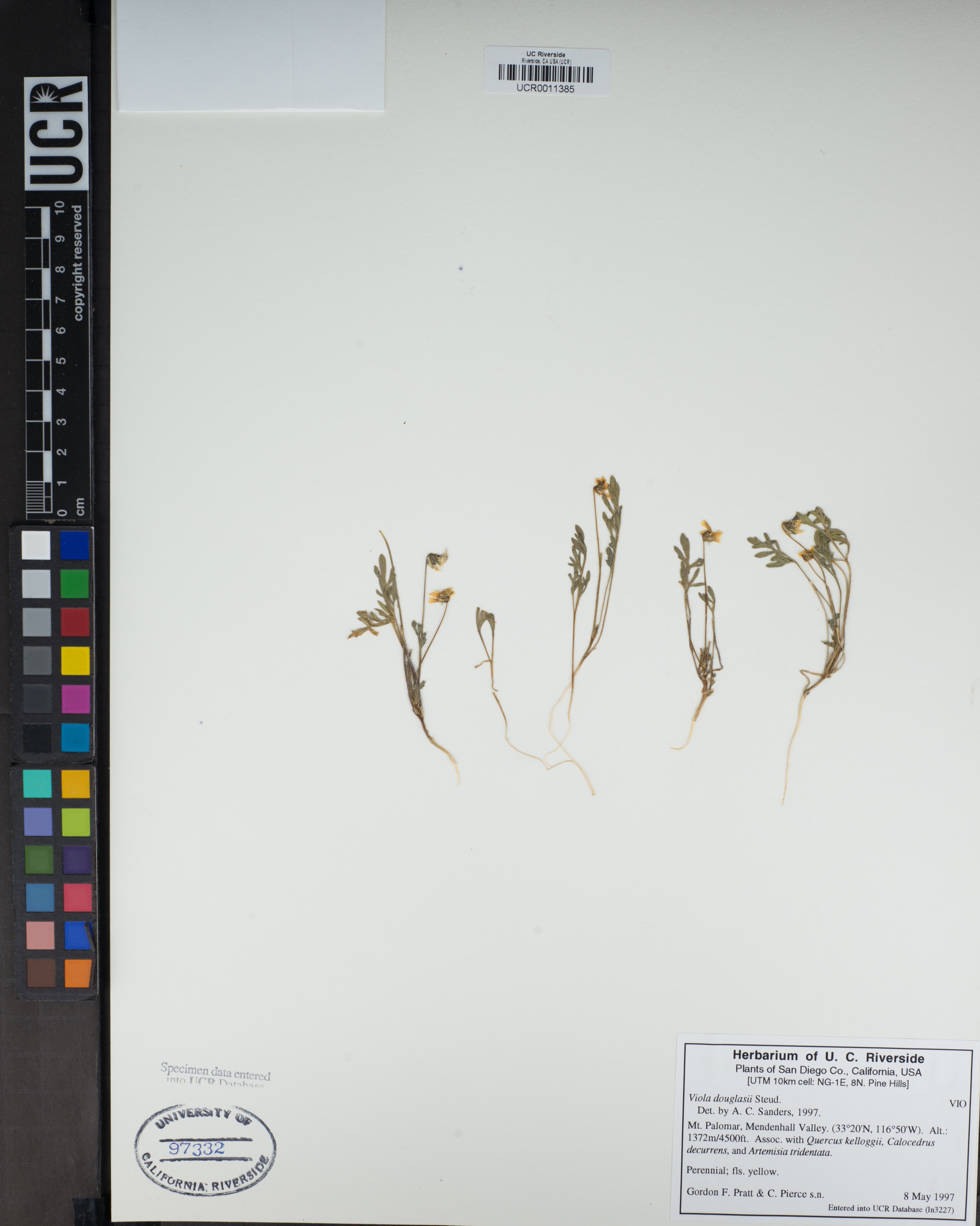
Cuscuta carnosa
Image: A.C. Sanders; Jan West, D. Charlton, B. McIntosh, V. Van Way (cc-by-nc)
NameCuscuta carnosa
Scientific NameCuscuta carnosa Costea & I.García
Common NamesDodder
Plant FamilyConvolvulaceae
Natural HabitatAs a parasitic species, Cuscuta carnosa is found growing on various herbaceous plants and shrubs in arid to semi-arid regions. It is known from specific geographical areas, such as parts of Mexico.
Parts Usedwhole_plant,seed
Medicinal Actionsadaptogen, antioxidant, anti-inflammatory, diuretic
Traditional UsesWhile specific traditional uses for Cuscuta carnosa may be less documented than for other Cuscuta species (like C. chinensis), dodder species generally are used in traditional medicine to tonify the kidneys and liver, improve vision, and treat conditions such as impotence, premature ejaculation, and frequent urination. They are also used for their adaptogenic and anti-inflammatory properties.
Active ConstituentsFlavonoids, Lignans, Polysaccharides, Saponins
Preparation Methodsinfusion, decoction, tincture, powder
Contraindications & WarningsDodder species are generally contraindicated during pregnancy and lactation. Individuals with yin deficiency with heat signs should use with caution. Potential interactions with medications due to diuretic or hormonal effects should be considered.
Cultivation NotesCuscuta carnosa is a parasitic plant and cannot be cultivated independently. It requires a suitable host plant to grow and complete its life cycle, making direct cultivation challenging outside of specific research or conservation efforts.
Rarityuncommon
Description
Cuscuta carnosa is a parasitic plant characterized by its fleshy, leafless, yellowish to reddish twining stems. It lacks chlorophyll and obtains nutrients by attaching to host plants via haustoria. Its flowers are typically small and clustered along the stems.