Potato Bush Nightshade
NamePotato Bush Nightshade
Scientific NameSolanum leptostachys
Common NamesPotato Bush Nightshade, Forest Nightshade
Plant FamilySolanaceae
Natural HabitatNative to eastern Australia, it thrives in rainforest margins, wet sclerophyll forests, and disturbed areas, often found in subtropical and temperate regions.
Parts Usedfruit,leaf
Medicinal Actionsanti-inflammatory, analgesic
Traditional UsesSpecific traditional medicinal uses for Solanum leptostachys are not well-documented. The genus Solanum is widely known for containing toxic glycoalkaloids, particularly in unripe fruits and leaves. While some Solanum species have been traditionally used for their anti-inflammatory or analgesic properties, often externally or with careful preparation, this is not specifically recorded for S. leptostachys. Ripe fruits of some Solanum species are consumed by wildlife and occasionally by humans in small quantities, but caution is always advised.
Active ConstituentsGlycoalkaloids (e.g., solanine, solasodine)
Preparation Methodspoultice, powder
Contraindications & WarningsAll parts of Solanum leptostachys, especially unripe fruits and leaves, contain toxic glycoalkaloids. Ingestion can cause severe gastrointestinal upset, neurological symptoms, and can be fatal. Use of any part of this plant for medicinal purposes is strongly discouraged due to high toxicity and lack of documented safe traditional use. It should not be ingested or applied topically without expert guidance and extreme caution.
Cultivation NotesThis species prefers well-drained soils and can tolerate a range of conditions from full sun to partial shade. It is relatively hardy in its native subtropical and temperate climates. Propagation is typically from seed.
Raritycommon
Description
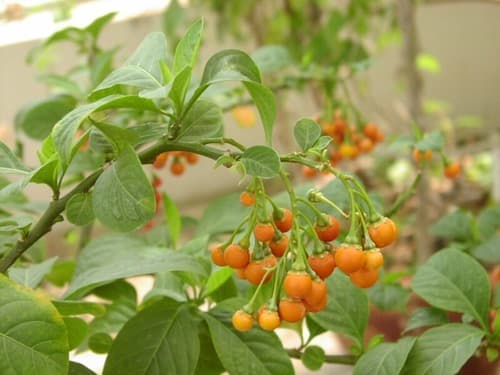
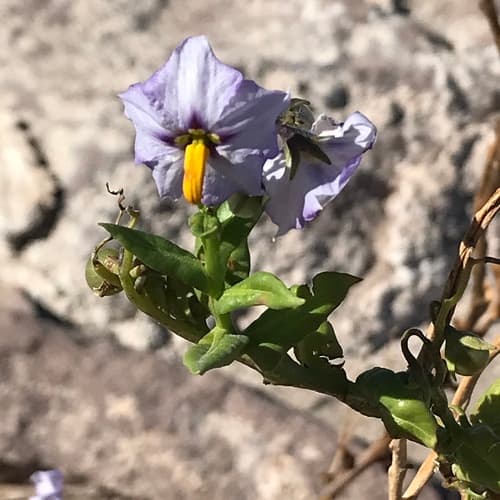
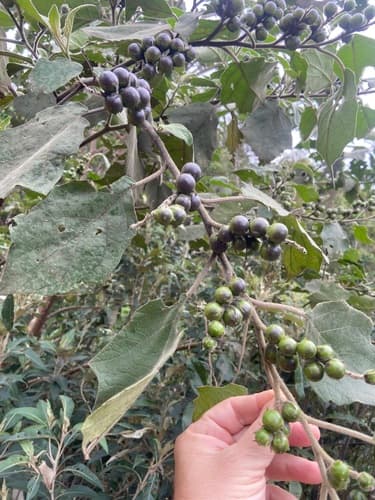
Solanum leptostachys is a shrub or small tree, typically growing 1-5 meters tall, characterized by its ovate to lanceolate leaves that are often hairy on the underside. It produces clusters of small, round berries that ripen from green to dark purple or black. The plant is native to eastern Australia.