Solanum caesium
NameSolanum caesium
Scientific NameSolanum caesium
Plant FamilySolanaceae
Natural HabitatNative to tropical and subtropical regions of Asia, particularly India and Southeast Asia, where it can be found in forests, disturbed areas, and along roadsides.
Parts Used
Traditional UsesTraditional medicinal uses for Solanum caesium are not widely documented in ethnobotanical literature. Many species within the Solanum genus are known to contain toxic compounds, and caution is generally advised regarding their use.
Active Constituentssteroidal glycoalkaloids
Contraindications & WarningsDue to the presence of potentially toxic steroidal glycoalkaloids common in the Solanum genus, Solanum caesium should be considered potentially toxic. It is contraindicated for internal use, especially for pregnant or nursing individuals, children, and those with liver or kidney conditions. External use should also be approached with extreme caution.
Cultivation NotesThis plant typically thrives in warm, tropical to subtropical climates. It can grow in various soil types and is often found in disturbed habitats, suggesting it is relatively hardy. Propagation is usually by seed.
Raritycommon
Description
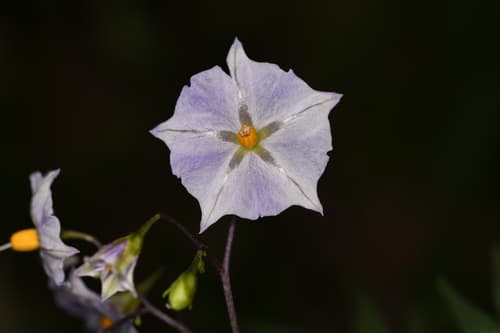
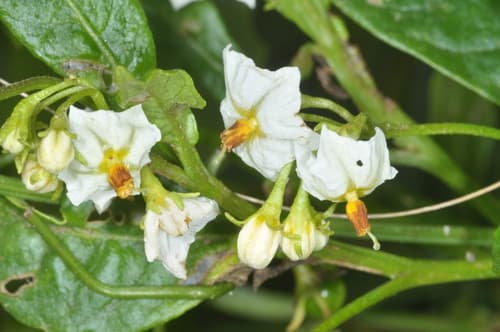
Solanum caesium is a species of nightshade, typically growing as a shrub or small tree. It features simple leaves and produces white to pale purple, star-shaped flowers with prominent yellow anthers, characteristic of the Solanum genus. The plant yields small berries as fruit.