Climbing Hydrangea
NameClimbing Hydrangea
Scientific NameHydrangea integrifolia
Common NamesClimbing Hydrangea
Plant FamilyHydrangeaceae
Natural HabitatNative to forests and rocky slopes in East Asia, particularly China and Taiwan, where it climbs on trees and rocks. It thrives in moist, well-drained, acidic to neutral soils and prefers partial to full shade.
Parts Usedroot
Medicinal Actionsdiuretic, anti-inflammatory
Traditional UsesSpecific traditional medicinal uses for Hydrangea integrifolia are not widely documented. However, other species within the Hydrangea genus, particularly H. arborescens, have been traditionally used by indigenous peoples for urinary tract health, including addressing kidney and bladder stones, and for prostate issues due to their diuretic properties.
Active Constituentshydrangin, saponins, flavonoids
Preparation Methodsdecoction
Contraindications & WarningsWhile specific contraindications for H. integrifolia are not well-studied, other Hydrangea species can cause dizziness, nausea, and chest tightness in large doses. It is generally not recommended during pregnancy or breastfeeding, and individuals with kidney disease should consult a healthcare professional before use.
Cultivation NotesThis climbing hydrangea prefers partial to full shade and consistently moist, well-drained soil. It requires a sturdy support structure to climb, attaching itself with aerial roots. It is evergreen in warmer climates but can be deciduous in colder zones.
Raritycommon
Description
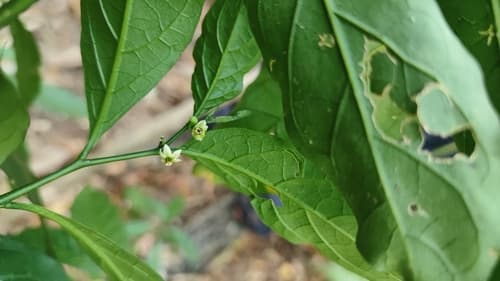
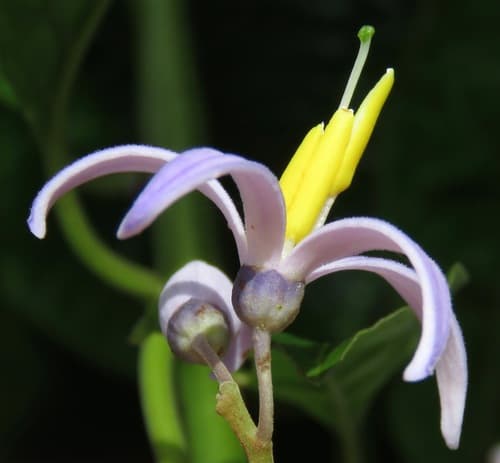
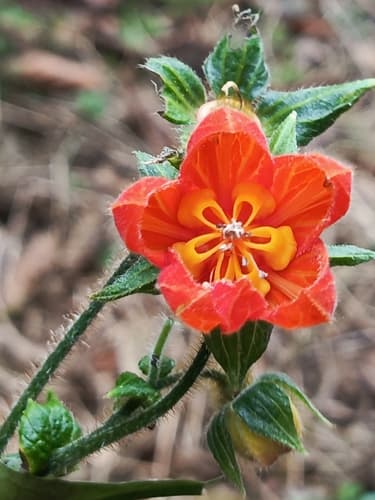
Hydrangea integrifolia is an evergreen climbing shrub known for its vigorous growth and aerial roots. It produces clusters of small, white, fertile flowers with numerous prominent stamens, often appearing in flat-topped cymes. Its leaves are typically glossy, dark green, and ovate.