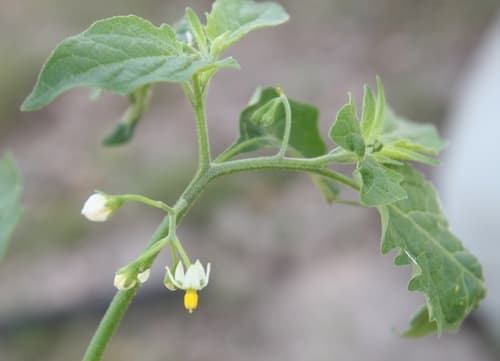
Inland Nightshade
NameInland Nightshade
Scientific NameSolanum americanum
Common NamesInland Nightshade, American Black Nightshade, Glossy Nightshade
Plant FamilySolanaceae
Natural HabitatOften found in disturbed areas, cultivated fields, gardens, roadsides, and open woodlands in temperate and tropical regions worldwide. It prefers moist, fertile soils.
Parts Usedleaf,fruit
Medicinal Actionsanalgesic, anti-inflammatory, antimicrobial
Traditional UsesTraditionally, the crushed leaves were applied externally as a poultice for skin conditions, boils, and inflammation. Ripe berries were occasionally used in very small, carefully controlled doses for fevers or as a mild sedative, though this practice carries significant risk due to toxicity.
Active ConstituentsSolanine, Solamargine, Solasonine, Saponins, Flavonoids, Phenolic compounds
Preparation Methodspoultice, decoction, salve
Contraindications & WarningsALL parts of the plant, especially unripe berries, are toxic due to glycoalkaloids. Ingestion can cause nausea, vomiting, diarrhea, abdominal pain, headache, dizziness, and in severe cases, neurological symptoms and death. Should not be used internally without expert supervision. Avoid during pregnancy and lactation.
Cultivation NotesGrows easily from seed in full sun to partial shade. Prefers well-drained, fertile soil. Can become weedy and self-seed readily, tolerating various soil types and conditions.
Raritycommon
Description
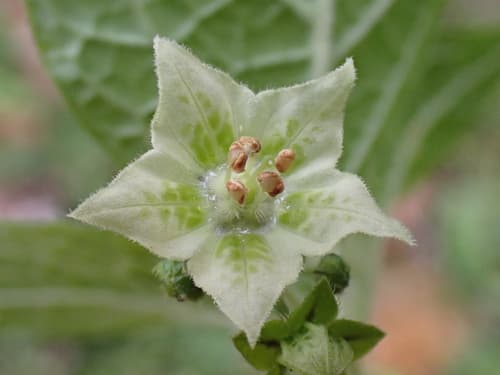
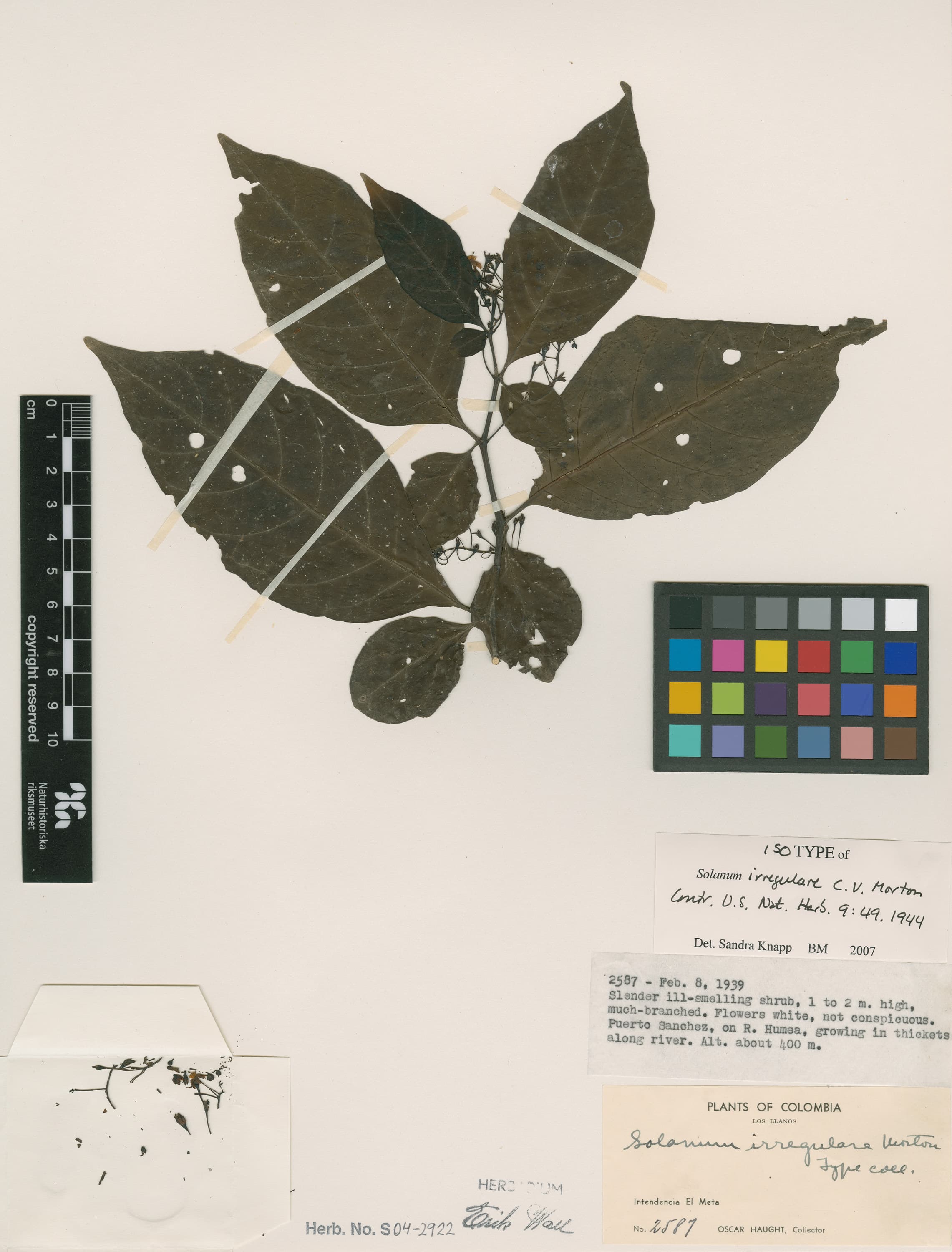
A herbaceous annual or short-lived perennial, typically growing up to 1 meter tall. It features ovate to lanceolate leaves with wavy or toothed margins and small white flowers arranged in clusters, followed by small black berries.