Hydrangea ampla
Image: Conveyor Belt (cc0)
NameHydrangea ampla
Scientific NameHydrangea ampla
Common NamesBroadleaf Hydrangea, Chinese Hydrangea
Plant FamilyHydrangeaceae
Natural HabitatNative to forests and thickets in mountainous regions of China, typically found in moist, shaded areas along streams or in woodland understories.
Parts Usedroot,leaf,flower
Medicinal Actionsdiuretic, anti-inflammatory
Traditional UsesWhile specific traditional uses for Hydrangea ampla are not widely documented, other Hydrangea species, particularly Hydrangea arborescens, have been traditionally used for urinary tract issues, kidney stones, bladder infections, and prostate problems due to their diuretic and anti-inflammatory properties.
Active ConstituentsHydrangin, saponins, flavonoids, coumarins
Preparation Methodsdecoction, tincture
Contraindications & WarningsPregnant or nursing women, individuals with kidney disease, and those taking diuretics should exercise caution. May cause gastrointestinal upset in some individuals.
Cultivation NotesPrefers moist, well-drained soil and partial shade, though it can tolerate full sun in cooler climates. Requires consistent moisture, especially during dry periods, and benefits from organic matter in the soil.
Rarityuncommon
Description
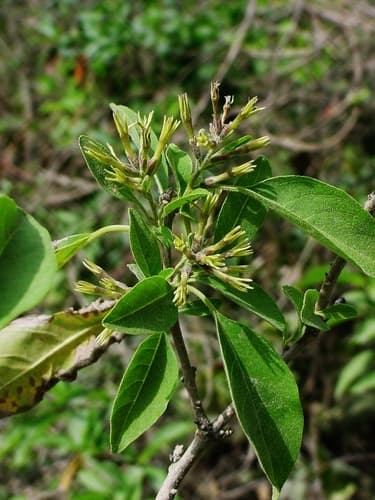
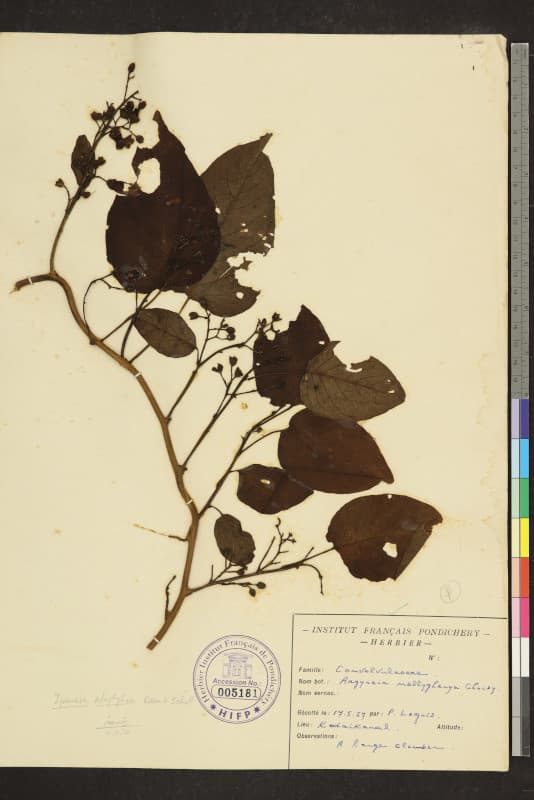
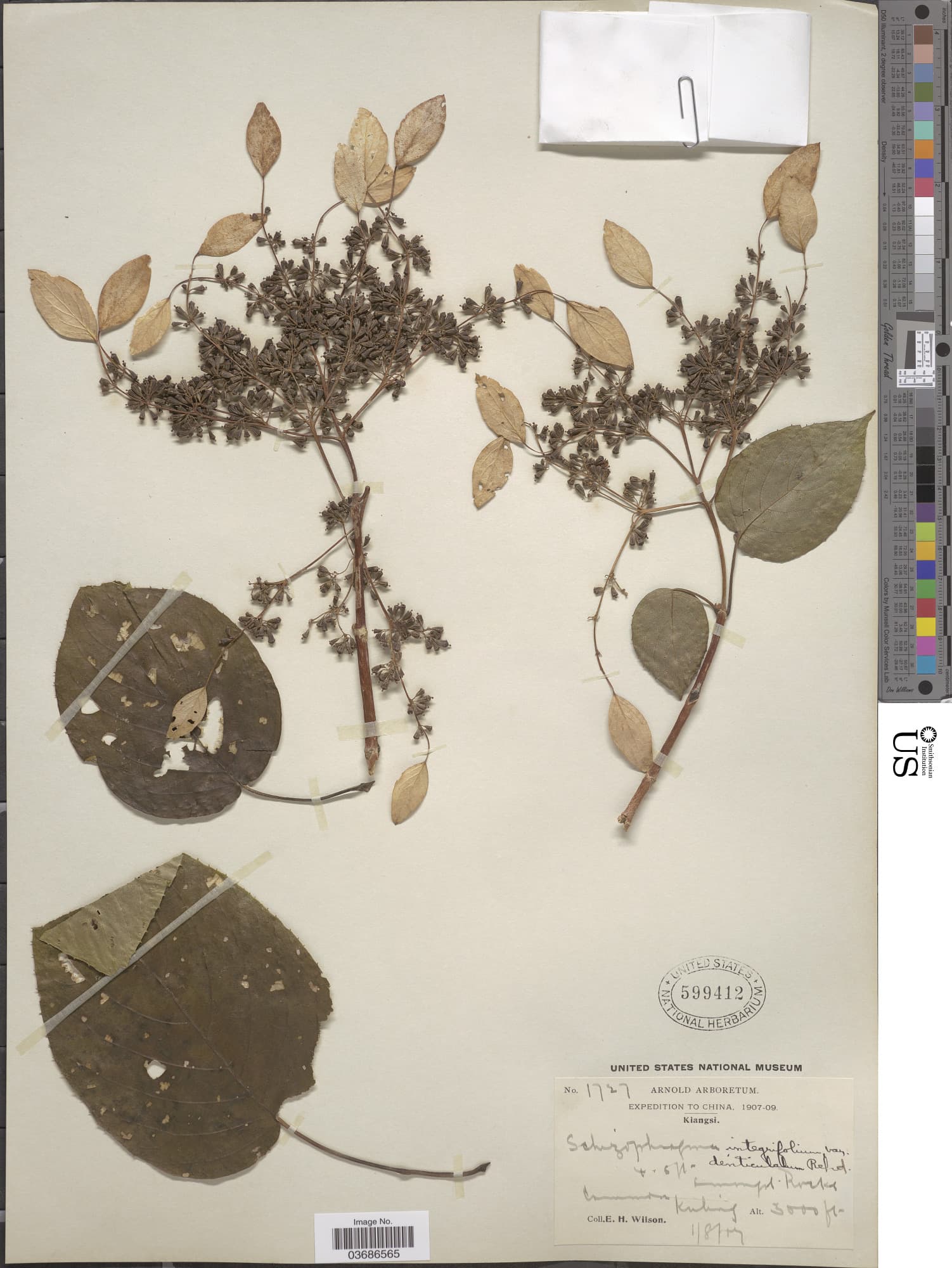
Hydrangea ampla is a deciduous shrub native to China, characterized by its broad, ovate to elliptic leaves, often with serrated margins. It produces terminal corymbs of numerous small, fertile flowers, sometimes with larger sterile flowers at the periphery.