Indian snakeroot
Image: H. Zell (CC BY-SA 3.0)
NameIndian snakeroot
Scientific NameRauvolfia serpentina
Common NamesIndian Snakeroot, Snakeroot, Sarpagandha, Chota Chand
Plant FamilyApocynaceae
Natural HabitatNative to the tropical and subtropical regions of South and Southeast Asia, found in moist deciduous forests, plains, and foothills.
Parts Usedroot,leaf
Medicinal Actionssedative, nervine, anti-inflammatory
Traditional UsesTraditionally used in Ayurvedic medicine for treating hypertension, insomnia, anxiety, and mental disorders. It was also historically used for snake bites, insect stings, and fever.
Active ConstituentsReserpine, Ajmaline, Serpentine, Yohimbine
Preparation Methodspowder, decoction, tincture
Contraindications & WarningsContraindicated in individuals with depression, peptic ulcers, ulcerative colitis, pregnancy, breastfeeding, and certain heart conditions. It can interact with sedatives, antihypertensives, and MAO inhibitors.
Cultivation NotesPrefers warm, humid, tropical to subtropical climates with partial shade. Requires well-drained, fertile soil. Can be propagated by seeds or root cuttings.
Rarityrare
Description
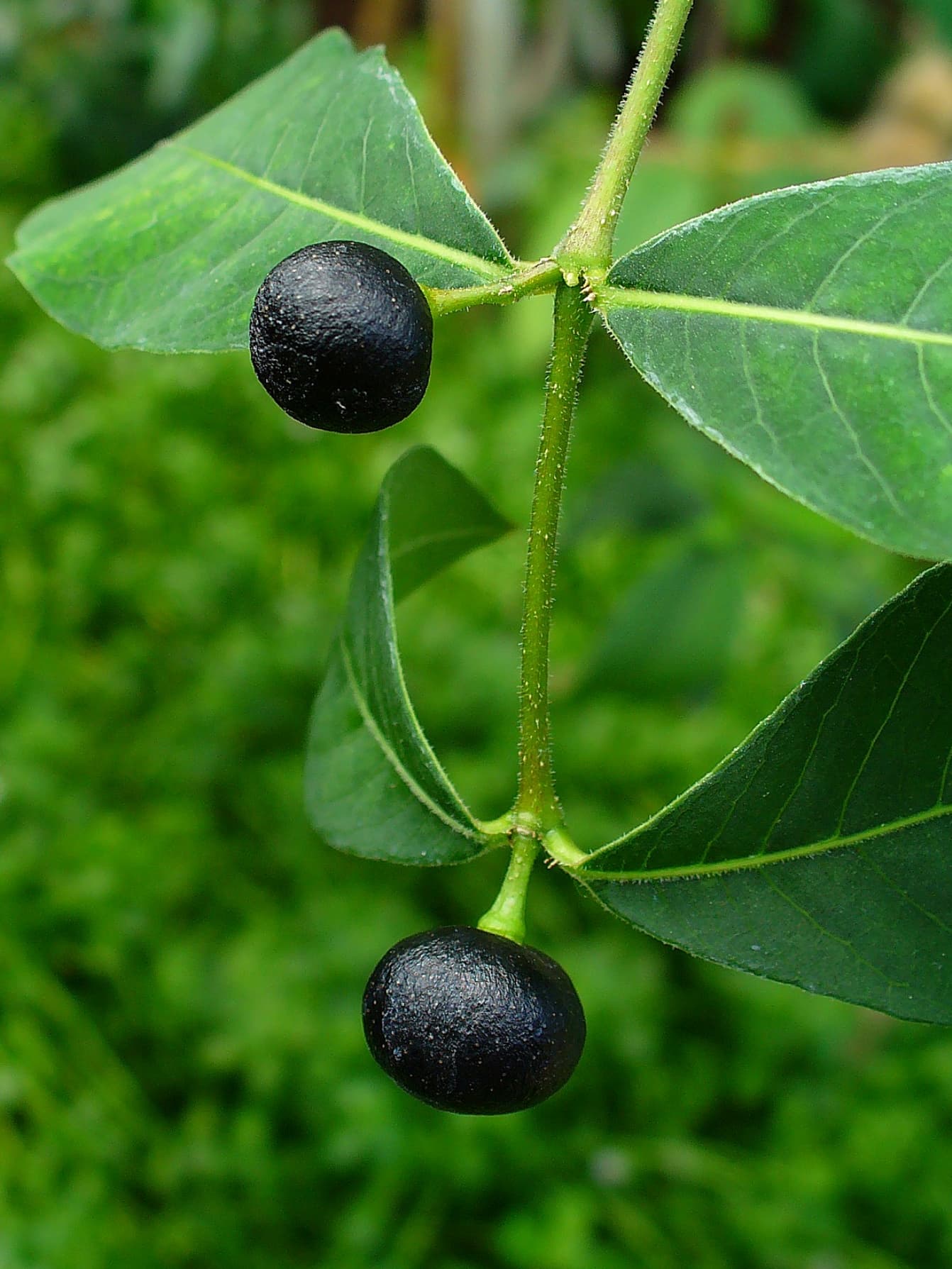
A small, erect, evergreen shrub growing up to 1 meter tall, characterized by its dark green, lanceolate leaves arranged in whorls. It produces small white or pinkish flowers followed by distinctive dark purple to black, berry-like drupes, as seen in the image.