Ulmus ismaelis
NameUlmus ismaelis
Scientific NameUlmus ismaelis
Common NamesElm, Slippery Elm
Plant FamilyUlmaceae
Natural HabitatTemperate forests, woodlands, and riverbanks, often thriving in moist, fertile soils. Elms are generally native to various regions across the Northern Hemisphere.
Parts Usedbark
Medicinal Actionsdemulcent, anti-inflammatory, astringent
Traditional UsesTraditionally, the inner bark of Ulmus species (especially Ulmus rubra) has been used to soothe irritated mucous membranes throughout the body, including the digestive tract (for conditions like gastritis, ulcers, diarrhea) and respiratory system (for coughs, sore throats). It is also applied externally as a poultice for skin irritations, wounds, and boils due to its demulcent and anti-inflammatory properties.
Active Constituentsmucilage, tannins, phytosterols
Preparation Methodsdecoction, powder, poultice
Contraindications & WarningsGenerally considered safe. However, due to its high mucilaginous content, it may interfere with the absorption of other medications if taken simultaneously. It is advisable to take it a few hours apart from other drugs.
Cultivation NotesElms prefer full sun to partial shade and well-drained, fertile soil. They are generally hardy but many species are susceptible to Dutch Elm Disease. Propagation is typically by seed, cuttings, or grafting.
Raritycommon
Description
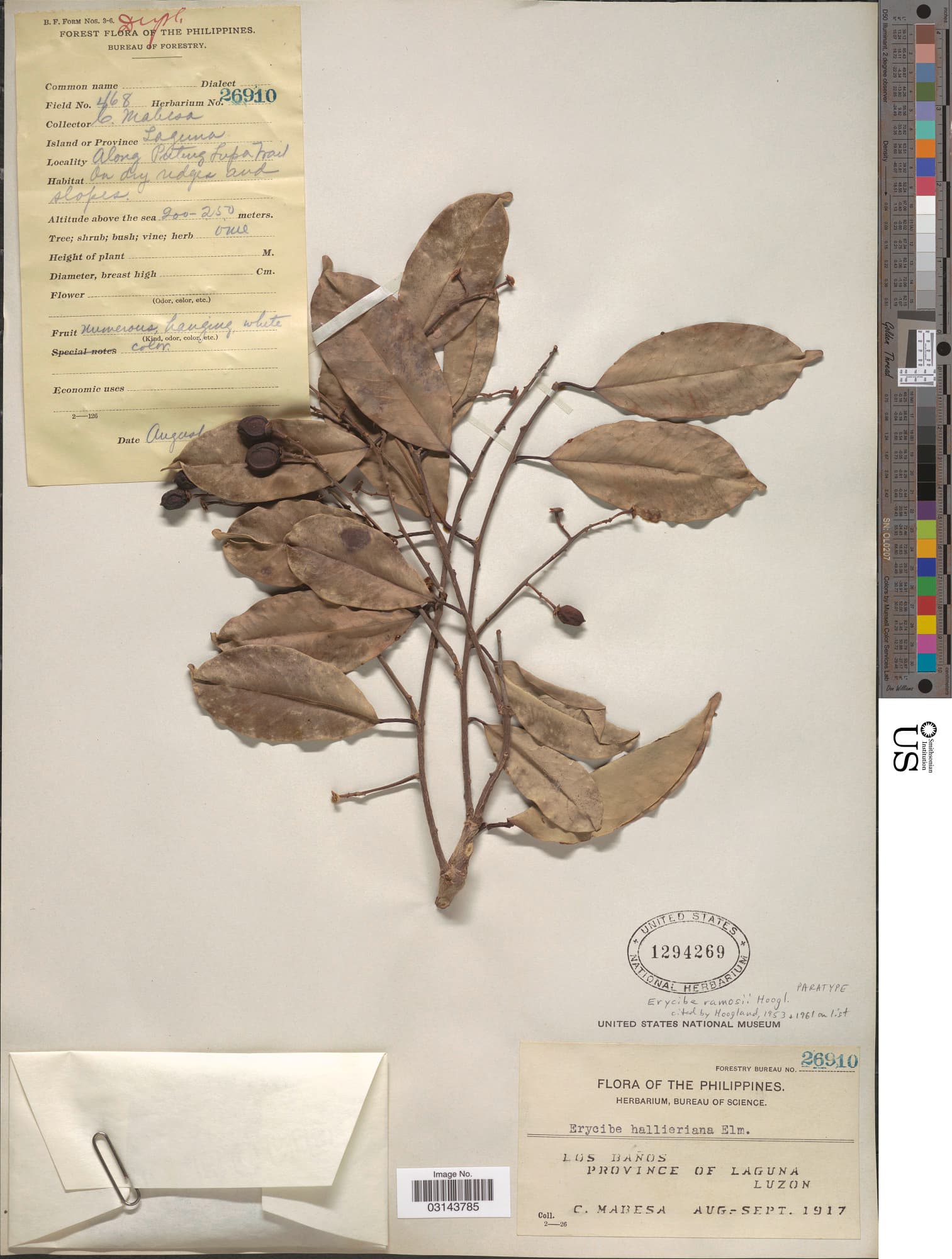
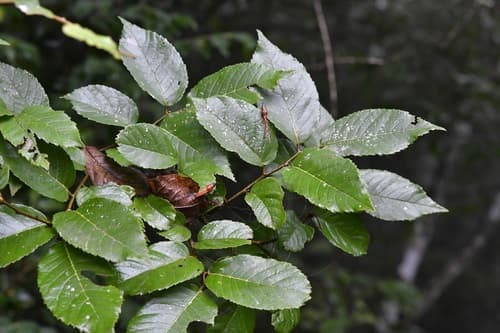
The plant shown is a deciduous tree branch featuring alternate, simple leaves that are ovate to oblong with serrated margins and prominent parallel venation. While 'Ulmus ismaelis' is not a widely recognized botanical name, the plant exhibits characteristics typical of the Ulmus genus, commonly known as Elm trees.