Indian Belladonna
NameIndian Belladonna
Scientific NameAtropa acuminata
Common NamesIndian Belladonna, Himalayan Belladonna
Plant FamilySolanaceae
Natural HabitatNative to the Himalayan region, it thrives in moist, shady areas, often found in forest clearings, along stream banks, and in alpine meadows.
Parts Usedleaf,root,fruit,whole_plant
Medicinal Actionsanalgesic, sedative
Traditional UsesTraditionally, Indian Belladonna has been used in highly controlled doses for its potent analgesic and sedative properties, particularly for conditions involving severe pain, muscle spasms, and as an antispasmodic. Due to its extreme toxicity, its use is strictly limited and not for self-medication.
Active ConstituentsAtropine, Scopolamine, Hyoscyamine, Tropane alkaloids
Preparation Methodstincture, powder
Contraindications & WarningsEXTREMELY TOXIC AND POTENTIALLY FATAL. All parts of the plant are poisonous. Not for self-medication. Can cause severe anticholinergic effects including hallucinations, delirium, tachycardia, blurred vision, and respiratory paralysis. Contraindicated in glaucoma, prostate enlargement, heart conditions, and pregnancy. Interacts with numerous medications.
Cultivation NotesPrefers cool, moist, and shady conditions with rich, well-drained soil. Propagation is typically by seed or root division. Cultivation requires extreme caution due to its toxicity.
Rarityuncommon
Description
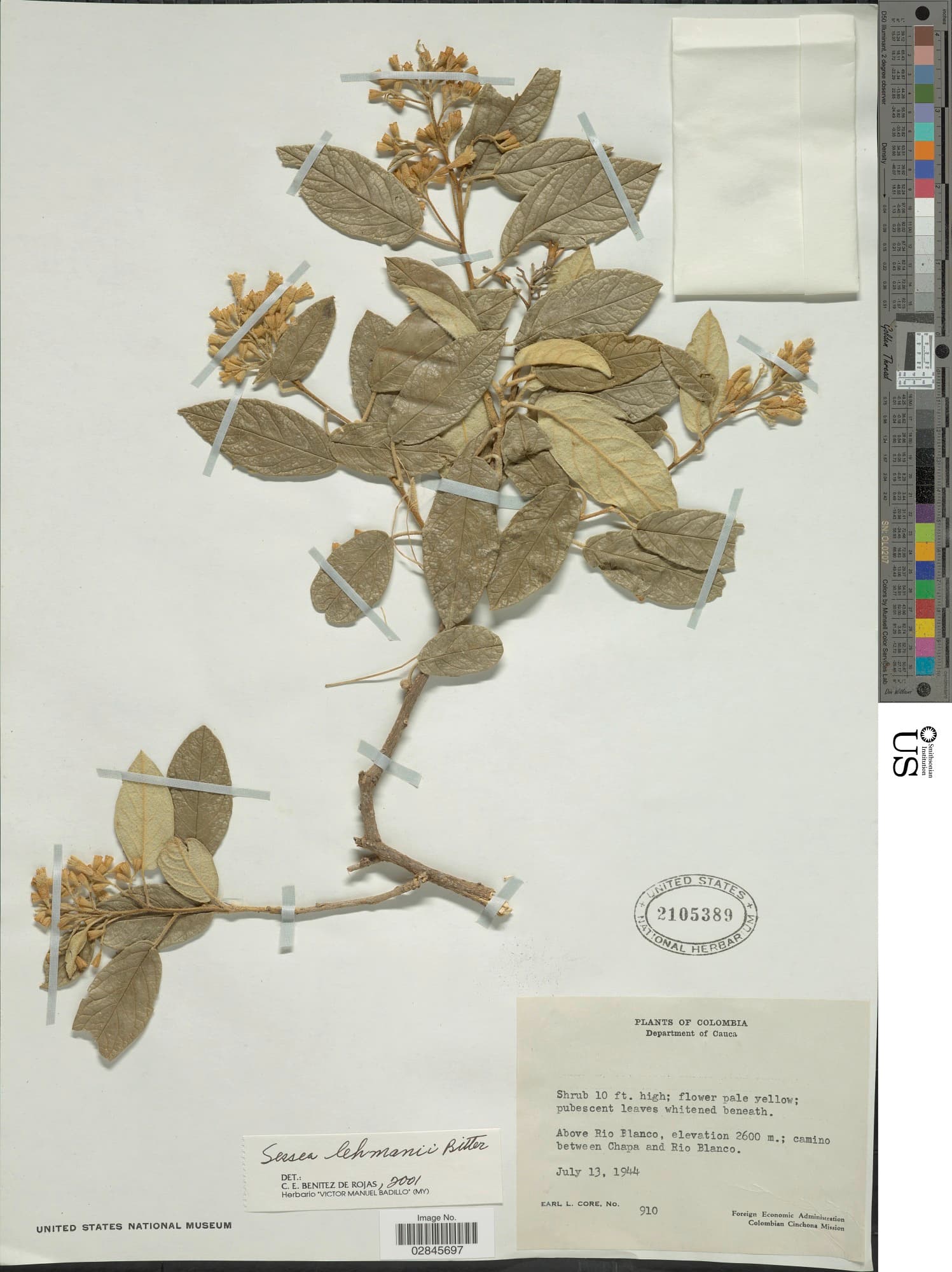
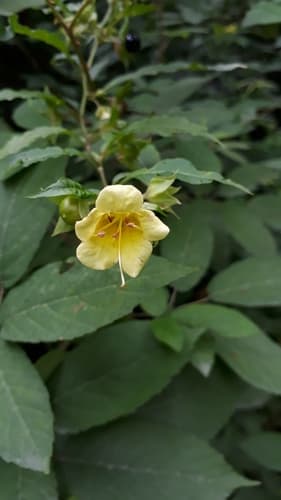
Indian Belladonna is a robust herbaceous perennial, growing up to 1.5 meters tall, with large, ovate, dark green leaves. It produces solitary, bell-shaped, pale yellow to greenish-yellow flowers, which mature into glossy black berries.