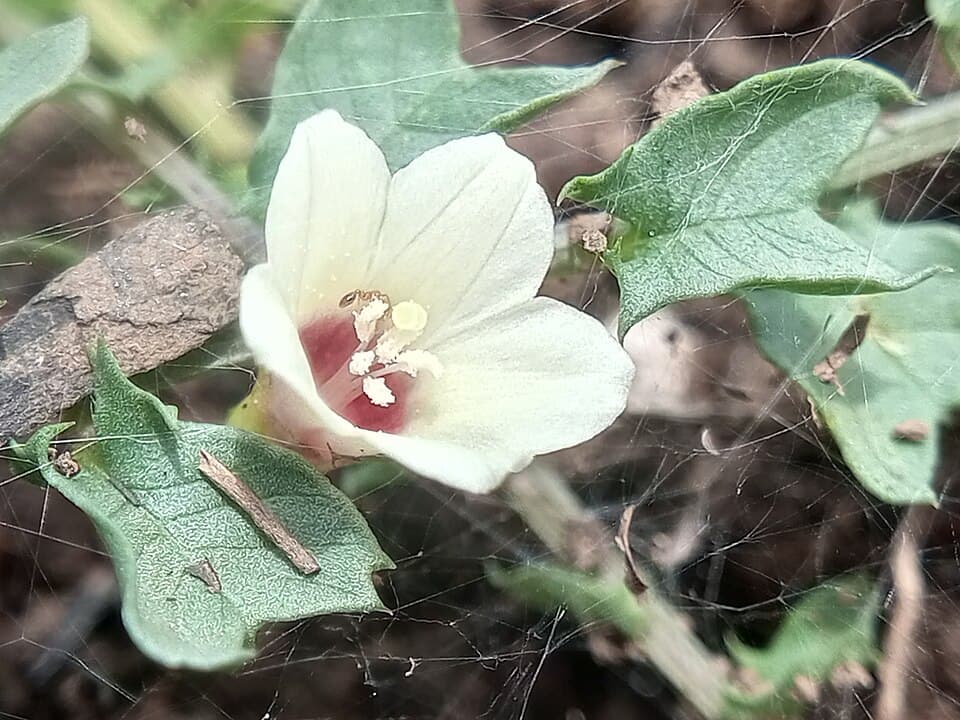
Purple Nightshade
NamePurple Nightshade
Scientific NameSolanum dulcamara
Common NamesBittersweet Nightshade, Climbing Nightshade, Woody Nightshade, Fever Twig
Plant FamilySolanaceae
Natural HabitatCommonly found in damp, disturbed areas such as woodlands, hedgerows, riverbanks, and waste ground. It thrives in temperate regions across Europe, Asia, and North America.
Parts Usedleaf
Medicinal Actionsdiuretic, anti-inflammatory
Traditional UsesHistorically, Purple Nightshade was used externally for skin conditions like eczema, warts, and fungal infections, and internally in highly diluted forms for rheumatism, arthritis, and as a diuretic. Due to its significant toxicity, its internal use has largely been abandoned in modern herbalism.
Active Constituentssteroidal glycoalkaloids (e.g., solanine, solamargine, solasodine, dulcamarine), saponins, tannins
Preparation Methodsdecoction, tincture, poultice
Contraindications & WarningsALL parts of Solanum dulcamara are poisonous, especially the berries. Internal use is highly dangerous and can cause severe gastrointestinal upset, dizziness, convulsions, paralysis, and even death. It should never be used internally without expert medical supervision. Avoid completely during pregnancy, lactation, and in individuals with liver or kidney conditions. External use should also be approached with extreme caution due to potential skin irritation and absorption of toxins.
Cultivation NotesPurple Nightshade is a vigorous plant that can be easily grown from seed or cuttings. It prefers moist, fertile soil and can tolerate both full sun and partial shade. It is often considered a weed and can become invasive in garden settings.
Raritycommon
Description
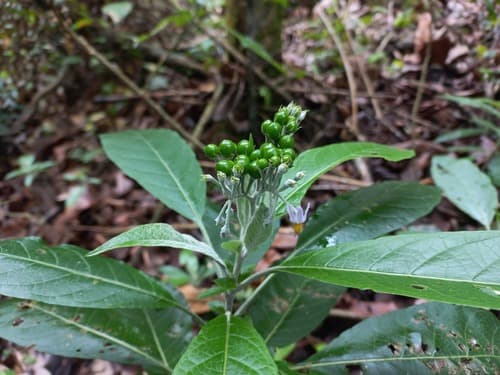
A sprawling or climbing perennial vine, Purple Nightshade features star-shaped, purple flowers with prominent yellow anthers. It produces bright red, oval berries that are highly toxic. The plant can grow several meters long, often scrambling over other vegetation.