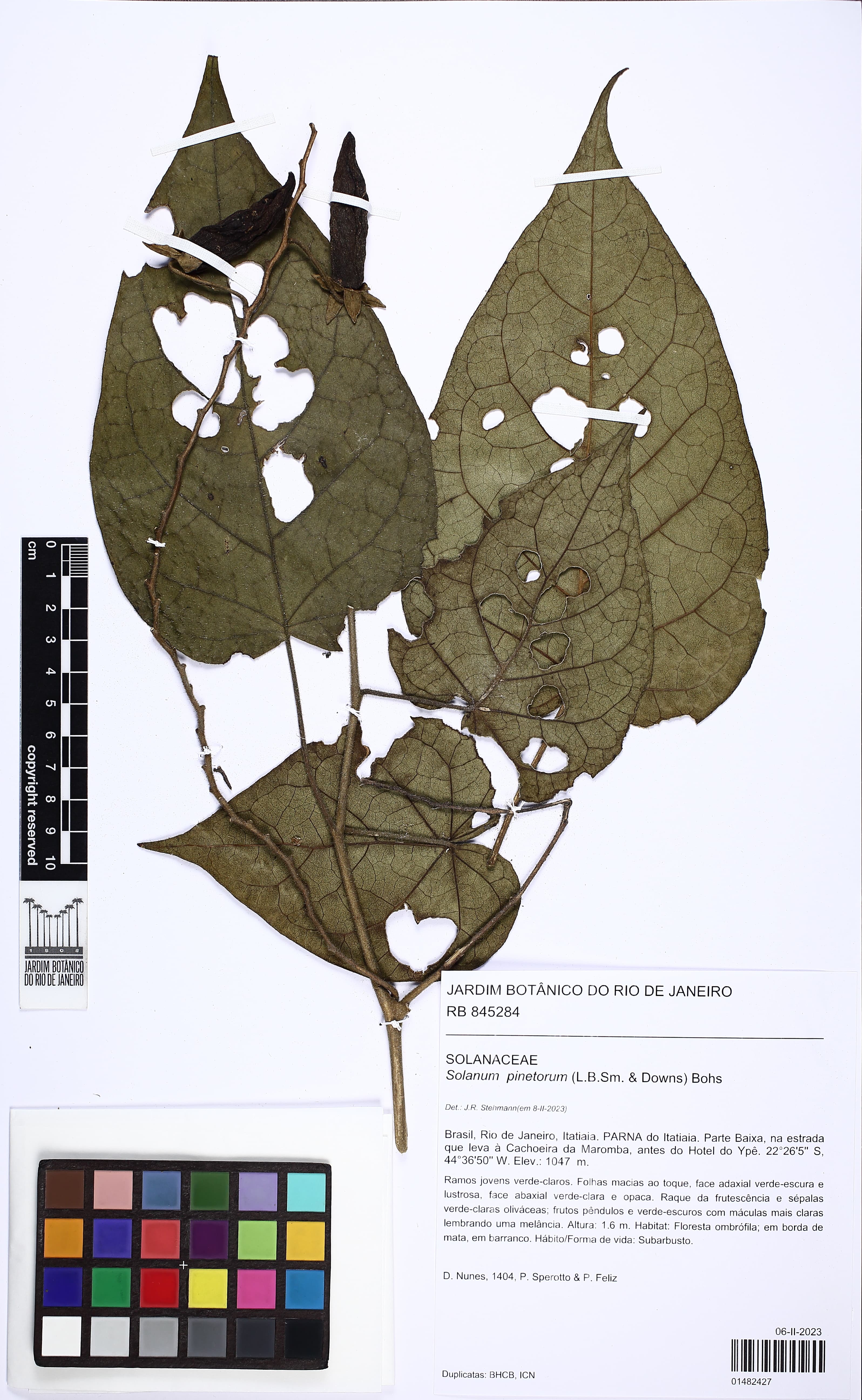
Chili Pepper
NameChili Pepper
Scientific NameCapsicum annuum
Common NamesChili Pepper, Bird's Eye Chili, Pequin Pepper, Tepin Pepper
Plant FamilySolanaceae
Natural HabitatNative to the Americas, particularly Central and South America, chili peppers thrive in warm, tropical to subtropical climates. They are now widely cultivated globally in various agricultural settings.
Parts Usedfruit
Medicinal Actionsanalgesic, anti-inflammatory, antioxidant
Traditional UsesTraditionally, chili peppers have been used topically for pain relief, including arthritis, muscle aches, and neuropathic pain, due to the capsaicin content. Internally, they have been employed to stimulate digestion, improve circulation, and as a general tonic.
Active ConstituentsCapsaicinoids, Carotenoids, Vitamin C, Vitamin A
Preparation Methodstincture, poultice, powder, salve
Contraindications & WarningsAvoid contact with eyes and mucous membranes. Not recommended for internal use in large quantities for individuals with gastric ulcers, GERD, or inflammatory bowel conditions. Can cause skin irritation in sensitive individuals.
Cultivation NotesPrefers full sun and well-drained, fertile soil. Requires warm temperatures and consistent moisture for optimal growth. Can be grown in containers or directly in garden beds.
Raritycommon
Description
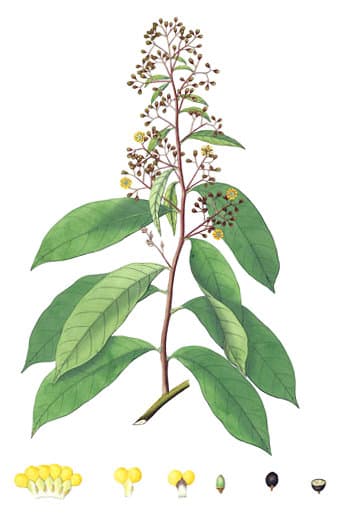
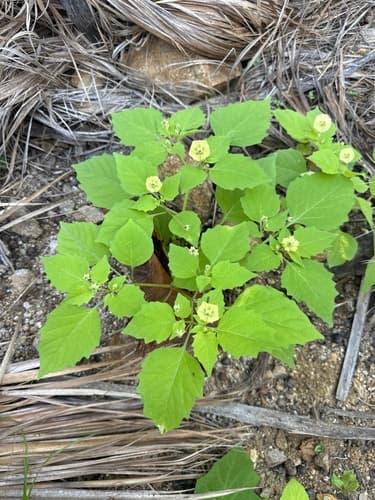
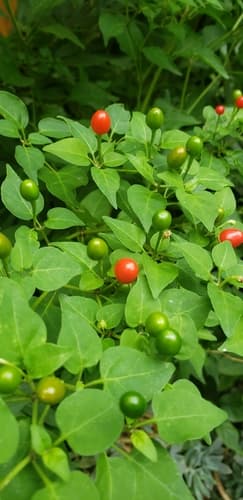
A herbaceous perennial shrub, often cultivated as an annual, characterized by simple, ovate leaves and small, typically round or conical fruits. These fruits ripen from green to vibrant red and are renowned for their pungent flavor.