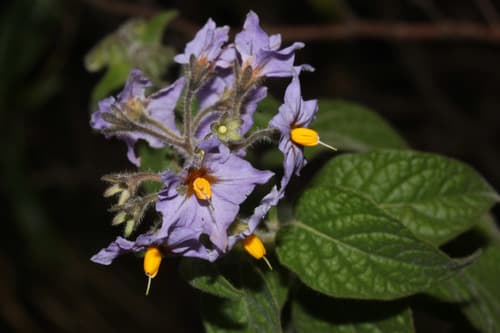
Inagua Lycium
NameInagua Lycium
Scientific NameLycium inaguaense
Common NamesInagua Lycium, Inagua Boxthorn
Plant FamilySolanaceae
Natural HabitatNative to the Bahamas, particularly Great Inagua, this plant thrives in coastal areas, sandy soils, and scrublands. It is well-adapted to arid conditions and can tolerate saline environments.
Parts Usedfruit,leaf,root
Medicinal Actionsantioxidant, adaptogen, anti-inflammatory
Traditional UsesWhile specific traditional uses for Lycium inaguaense are not widely documented, other species within the Lycium genus, such as goji berries, are traditionally used as a general tonic, to support vision, and to enhance immune function. It is plausible that local communities may have similar applications for this species.
Active Constituentspolysaccharides, carotenoids, flavonoids, vitamins
Preparation Methodsinfusion, decoction, powder
Contraindications & WarningsGenerally considered safe, but caution is advised for individuals on blood-thinning medications or those with diabetes due to potential interactions or effects on blood sugar, as observed with other Lycium species.
Cultivation NotesThis hardy plant prefers full sun and well-drained soil, exhibiting excellent drought and salt tolerance. It can be propagated from seeds or cuttings and is suitable for xeriscaping in appropriate climates.
Rarityuncommon
Description
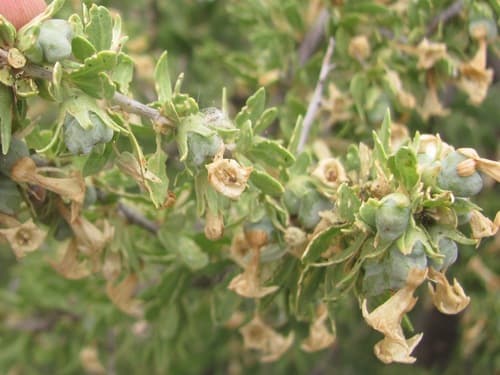
Lycium inaguaense is a sprawling to erect shrub characterized by small, fleshy, obovate to spatulate leaves arranged alternately along its stems. It produces small, pale lavender to whitish flowers, which are typically followed by small, red or orange berries.