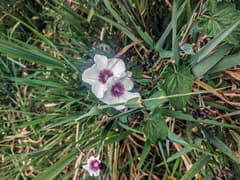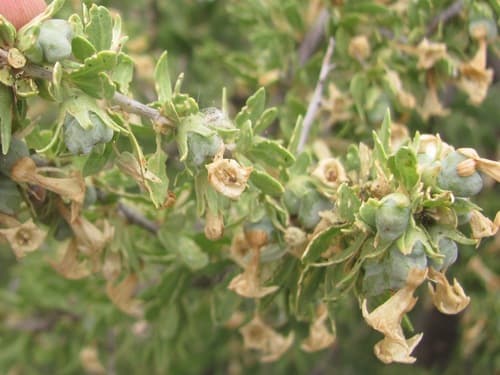
Desert Wolfberry
NameDesert Wolfberry
Scientific NameLycium pallidum
Common NamesDesert Wolfberry, Pale Wolfberry, Pale Desert-thorn
Plant FamilySolanaceae
Natural HabitatNative to arid and semi-arid regions of the southwestern United States and northern Mexico, found in deserts, scrublands, and canyons.
Parts Usedfruit,leaf,root
Medicinal Actionsantioxidant, anti-inflammatory, adaptogen
Traditional UsesTraditionally, the berries were a significant food source for Native American tribes in the Southwest, eaten fresh or dried. Medicinally, various parts were used for general health, to treat fevers, pain, and as a general tonic.
Active ConstituentsPolysaccharides, Carotenoids, Flavonoids, Betaine
Preparation Methodsinfusion, powder
Contraindications & WarningsMay interact with anticoagulant medications (e.g., warfarin) and potentially affect blood sugar levels. As a member of the Solanaceae family, caution is advised for individuals sensitive to nightshades.
Cultivation NotesThrives in full sun and well-drained, sandy or rocky soils. It is highly drought-tolerant once established and requires minimal water.
Raritycommon
Description
This thorny, deciduous shrub typically grows 3-6 feet tall, featuring small, pale green, spatulate leaves. It produces small, bell-shaped flowers that mature into green, ovoid berries, which ripen to red or orange.