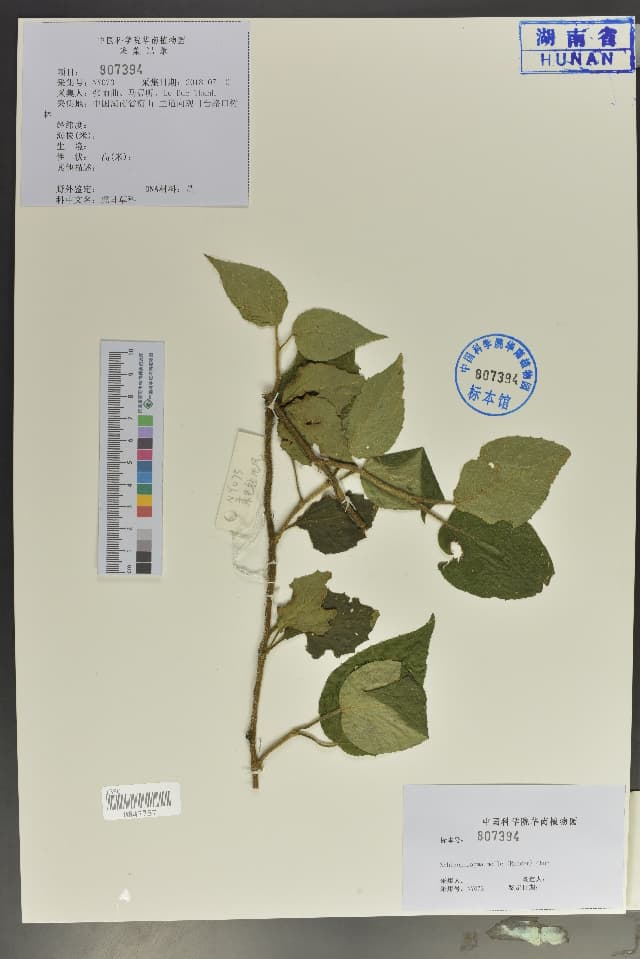
Pink Rose
NamePink Rose
Scientific NameRosa gallica
Common NamesPink Rose, French Rose, Apothecary's Rose
Plant FamilyRosaceae
Natural HabitatNative to southern and central Europe and western Asia, it thrives in woodlands, hedgerows, and is widely cultivated in gardens.
Parts Usedflower,fruit
Medicinal Actionsanti-inflammatory, antioxidant, astringent, nervine
Traditional UsesTraditionally, rose petals are used for their astringent and anti-inflammatory properties in skin care, to soothe sore throats, and as a mild nervine. Rose hips (fruits) are highly valued for their rich vitamin C content, used to boost immunity and treat colds and flu.
Active Constituentsflavonoids, anthocyanins, tannins, vitamin_C, essential_oils
Preparation Methodsinfusion, decoction, tincture, essential oil, powder, salve
Contraindications & WarningsGenerally considered safe for most individuals. Large doses of rose hip preparations may cause mild digestive upset. Allergic reactions are rare but possible.
Cultivation NotesPrefers full sun and well-drained, fertile soil. Requires regular watering, especially during dry periods, and benefits from pruning to encourage healthy growth and abundant blooms.
Raritycommon
Description
A deciduous shrub known for its highly fragrant pink to deep red flowers, typically growing 1-2 meters tall. Its stems are often prickly, and leaves are pinnate with 5-7 leaflets.