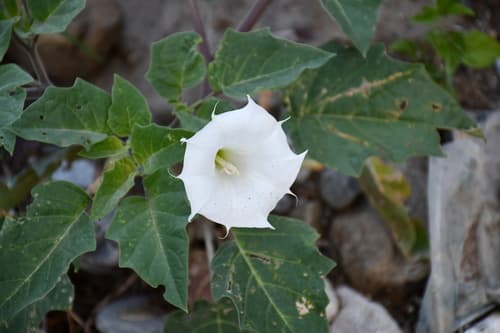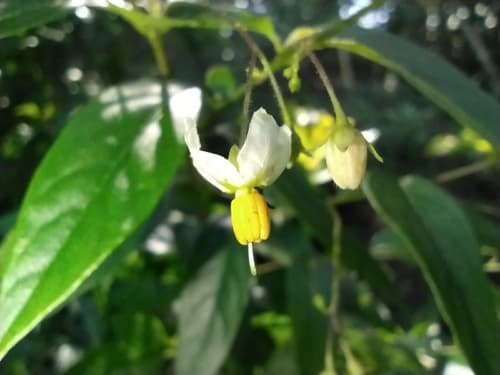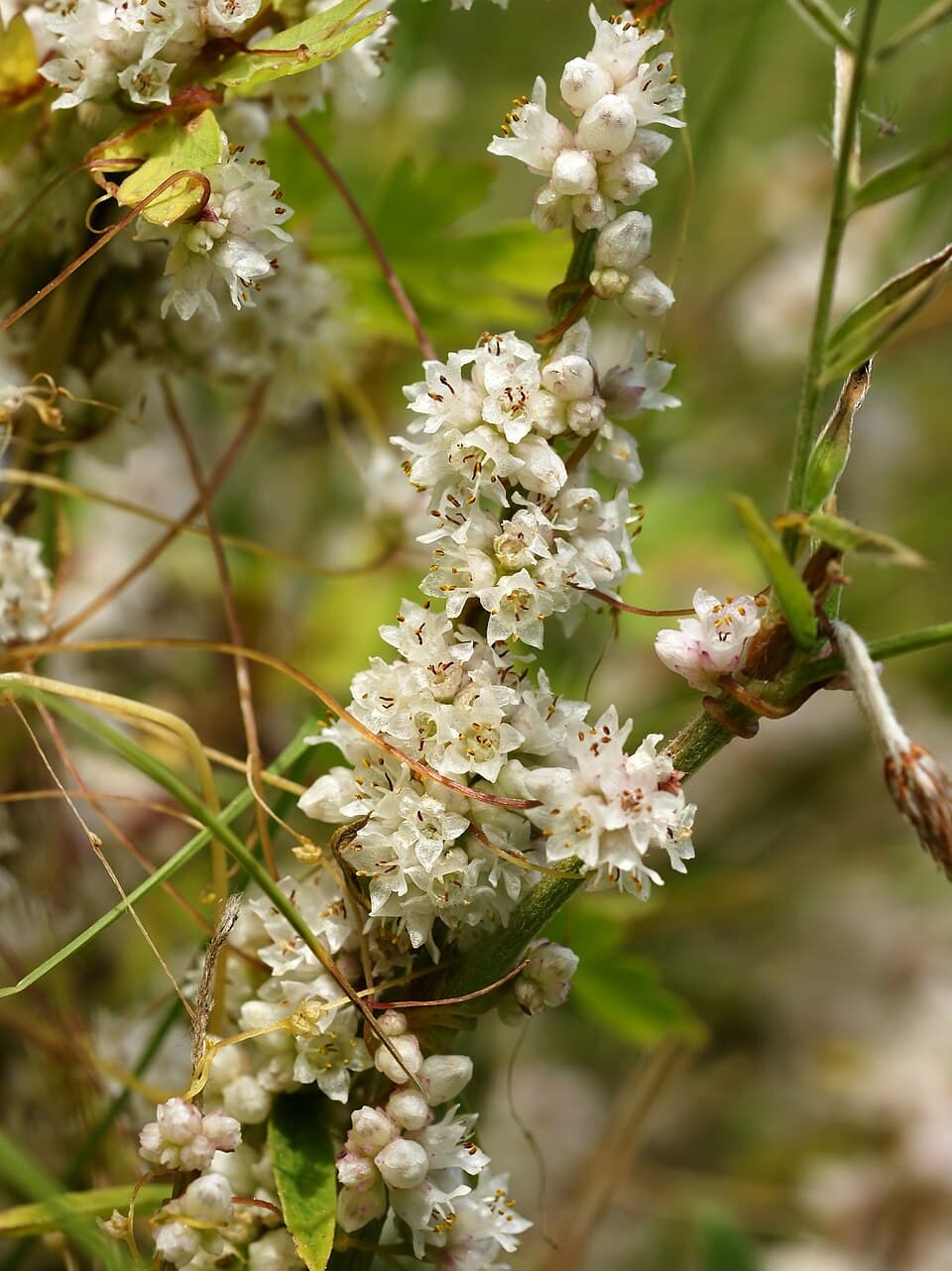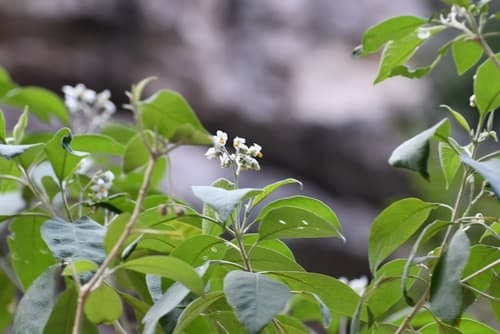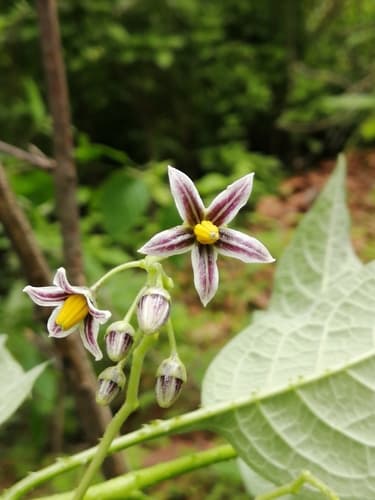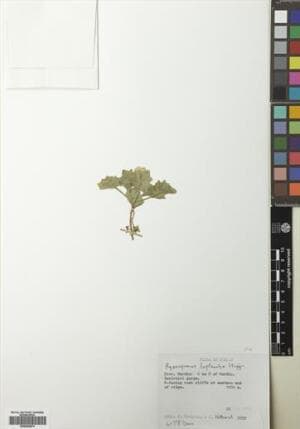
Hyoscyamus leptocalyx
Image: Trelawny, J. (cc0)
NameHyoscyamus leptocalyx
Scientific NameHyoscyamus leptocalyx Stapf
Common NamesHenbane
Plant FamilySolanaceae
Natural HabitatNative to parts of the Middle East and Central Asia, it typically grows in arid to semi-arid regions, often found in disturbed ground, rocky slopes, and sandy soils.
Parts Usedleaf,flower,whole_plant
Medicinal Actionsanalgesic, anti-inflammatory, nervine, sedative
Traditional UsesTraditionally, Hyoscyamus species have been used as powerful sedatives and analgesics to relieve severe pain, muscle spasms, and nervous tension, often in preparations for insomnia, asthma, and persistent coughs. Due to its high toxicity, it was also historically applied externally as a poultice for local pain relief and inflammation, and was known for its psychoactive properties.
Active ConstituentsHyoscyamine, Scopolamine, Atropine
Preparation Methodsinfusion, tincture, poultice, powder
Contraindications & WarningsEXTREMELY TOXIC. Not for self-medication. Can cause severe anticholinergic effects including dry mouth, blurred vision, urinary retention, constipation, tachycardia, hallucinations, delirium, coma, and death. Contraindicated in glaucoma, prostate enlargement, heart conditions, pregnancy, and lactation. Interacts with other anticholinergic drugs and CNS depressants.
Cultivation NotesPrefers full sun to partial shade and well-drained, often calcareous or sandy soils. It can tolerate dry conditions once established and is typically propagated by seed. Due to its toxicity, handle with gloves and keep away from children and pets.
Rarityuncommon
Description
Hyoscyamus leptocalyx is an herbaceous plant, typically annual or biennial, characterized by its sticky, hairy foliage and often yellowish-purple, bell-shaped flowers. Like other species in the Hyoscyamus genus, it contains potent tropane alkaloids.